10 Best Things to Do in Egersund: Wooden Streets and Geopark
Egersund is a compact coastal town with an older wooden-house centre and access to the distinctive rocky landscapes of the Magma UNESCO Global Geopark. It offers a different pace from Stavanger: a town walk and museum can fill a relaxed day, while the lighthouse, Trollpikken and the coast towards Sokndal require additional transport and time. This guide keeps those excursions separate from the central sights, so that the word “nearby” does not turn into an unrealistic itinerary. Stay one full day for an introduction, or two to three if walking and the wider geology are central to your trip.
Egersund: quick answers
- Worth visiting?
- Yes, for wooden streets, ceramics history and coastal landscapes.
- Time needed
- One full day for town and museum; two or three for lighthouse or regional outings.
- Best time
- Warmer months for coastal walks; check the museum calendar year-round.
- Cost level
- Moderate to high; town walks are free but museums and excursions cost extra.
- Getting around
- Walk centrally; arrange transport for the lighthouse and Sokndal outings.
- Top priorities
- Wooden town centre, Haugen cultural trail, Egersund Faience Museum.
How this list was selected: NorwayTop10’s editorial choices balance distinctive places, practical access and variety for a first visit. The order is a planning guide rather than a public vote. Outings beyond the destination are identified in their descriptions; ten entries do not mean ten stops in one day.
Compare the ten options
Times are editorial planning allowances, not operator schedules. Add travel and waiting time unless the row explicitly describes a whole outing. For guided experiences, use the confirmed booking duration. See each description for terrain and seasonal restrictions.
| Place or activity | Access to plan | Time to allow |
|---|---|---|
| The wooden streets of central Egersund and seasonal markets | Town centre on foot | 45–90 min |
| Haugen and the town’s cultural trail | Central cultural walking route | 45–60 min |
| Egersund Faience Museum | Town centre on foot | 1–1½ hr |
| Dalane Folk Museum at Slettebø | Transport to Slettebø | 1–2 hr, plus travel |
| Eigerøy Lighthouse | Road approach and coastal path | Use the official return walking time |
| Trollpikken and the rocky geopark landscape | Transport to the marked trailhead | Use the official route time |
| Varberg viewpoint and local rock carvings | Local walk | 1–1½ hr |
| Helleren in Jøssingfjord: a separate coastal excursion | Road trip to Jøssingfjord | 45–60 min at the site, plus travel |
| Jøssingfjord Science Museum | Road trip to Jøssingfjord | 1½–2 hr, plus travel |
| Sogndalstrand: a slower coastal-town visit | Road trip to Sokndal | 1–2 hr, plus travel |
Bookings through Viator may earn us a commission.
1. The wooden streets of central Egersund and seasonal markets
Book here with Viator → Seasonal Christmas town visit from Stavanger
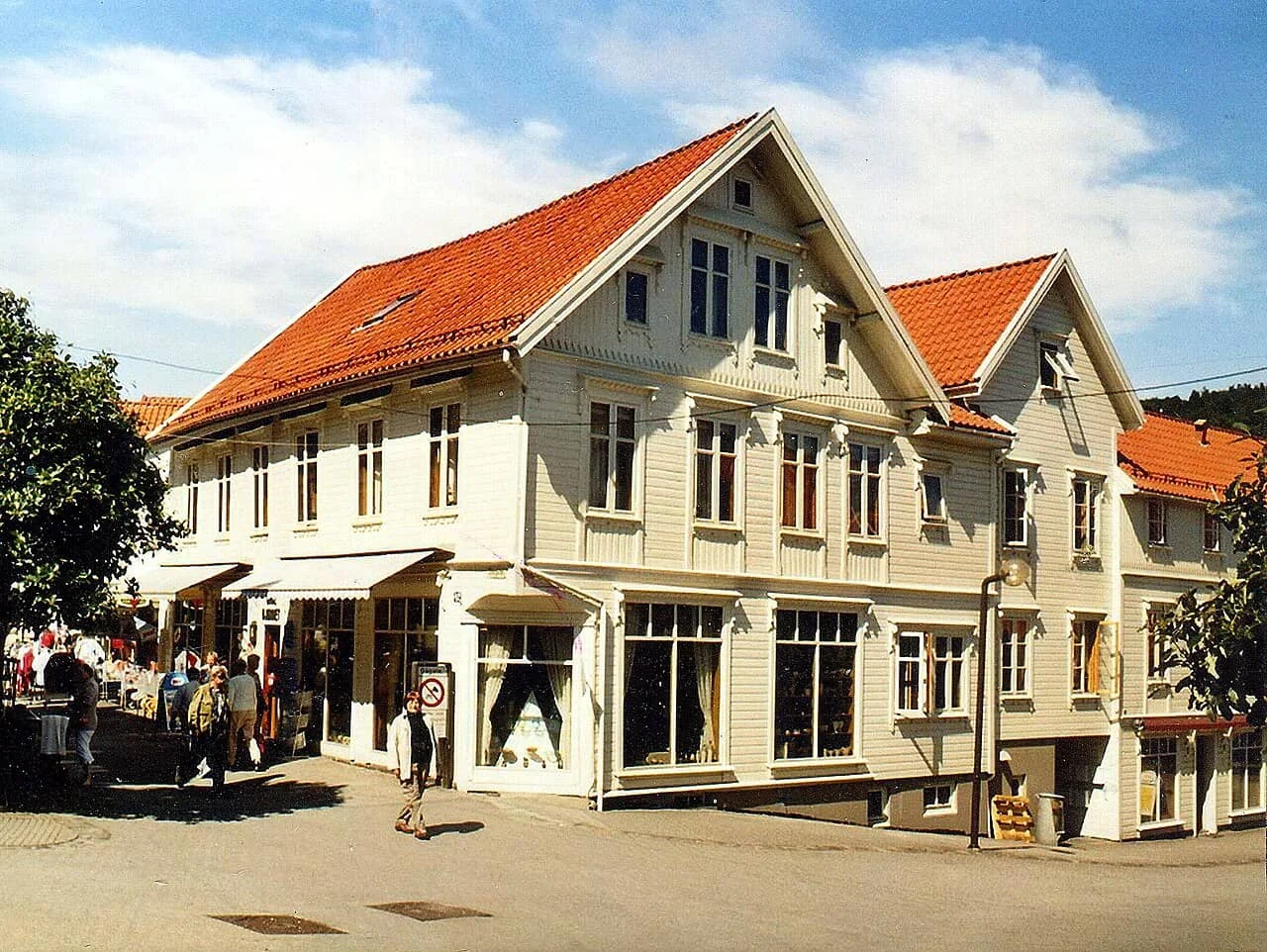
Egersund’s older timber buildings give the centre its character. Strandgaten and the surrounding streets are the natural starting point for a visit, with shops, houses and small-scale streets that reward walking rather than driving between map pins. Look at how the street pattern changes, and use local interpretation to understand the town instead of treating every older building as belonging to the same period.
Obtain a current town-walk map or use the official local interpretation where available. A self-guided route works well because you can pause for cafés, shops and photographs without committing to a fixed pace. Remember that this is a living town: do not enter private gardens or doorways, block narrow streets or assume that an attractive building is a visitor attraction open to the public.
This is a good arrival-day activity and combines naturally with the Faience Museum. Allow time to stop rather than expecting the town to be interesting only if you cover a large distance. In rain, shorten the outdoor sections and spend longer in operating indoor venues. The appeal lies in the coherent streetscape and everyday coastal-town atmosphere, not in completing a long list of separate monuments.
In the Christmas market season, a guided trip from Stavanger or Sandnes is an alternative for visitors not staying in Egersund. Confirm the market dates before booking.
2. Haugen and the town’s cultural trail
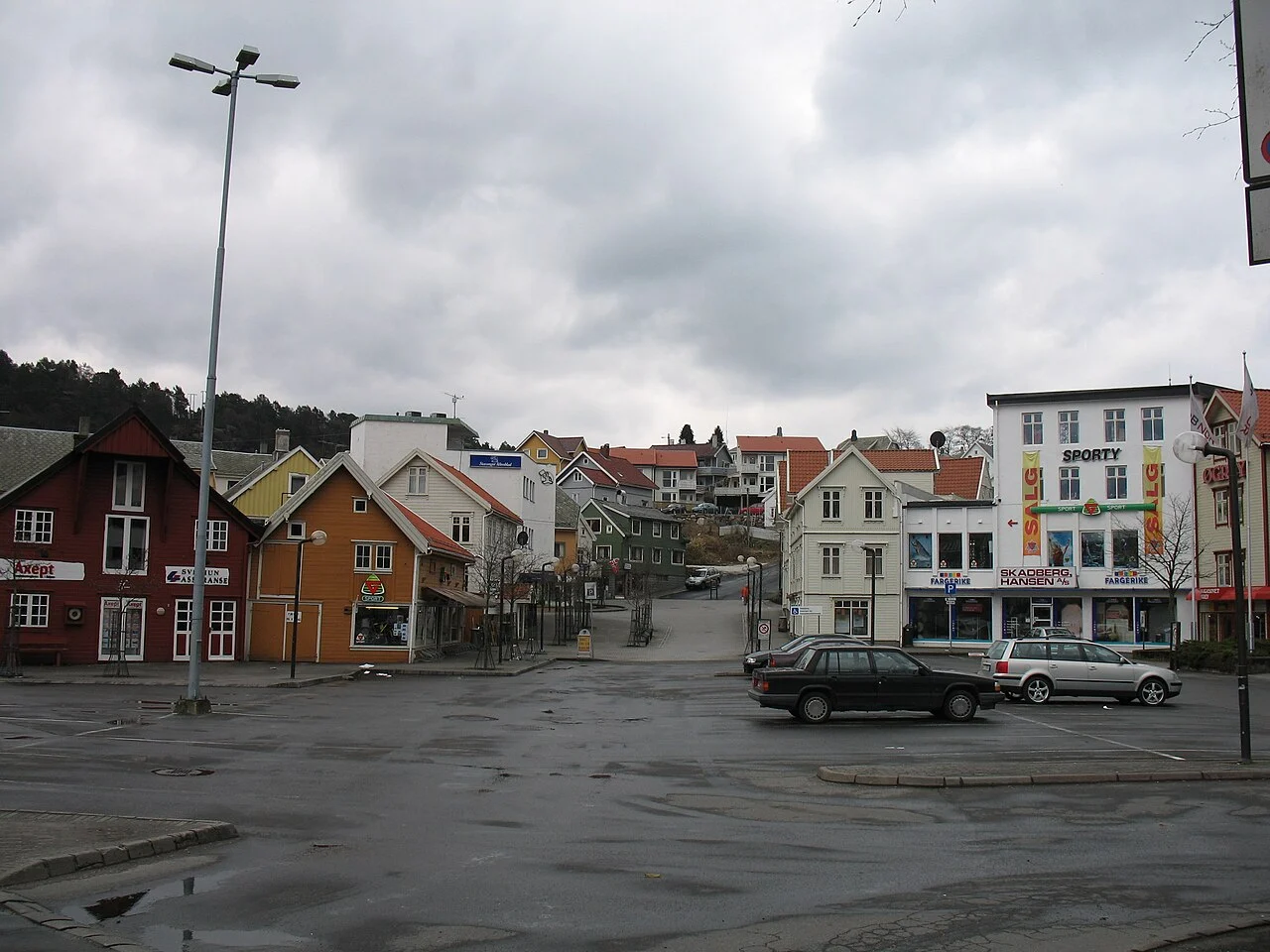
Haugen offers a different street character within the older town, and Egersund’s cultural interpretation helps explain how its built environment developed. It is useful to explore this area after the more regular central streets, noticing the smaller passages and relationship between buildings. The experience is a continuation of a town walk, but with a stronger focus on urban history rather than shopping or waterfront views.
Follow the marked or recommended public route and read a selection of the historical signs carefully. You do not need to study every panel for the walk to be worthwhile. If travelling with children, choose a few visible features to look for rather than turning the outing into a long reading exercise. Steep or uneven sections should be assessed according to the exact path and your group’s needs.
Pair the trail with a café break and an indoor museum visit to make a varied central day. This also gives mixed-interest groups a way to split time without needing separate transport. Avoid calling the area a preserved medieval town in a literal architectural sense; the visible buildings and the history of the settlement are different subjects. Local interpretation is the best guide to that distinction.
3. Egersund Faience Museum
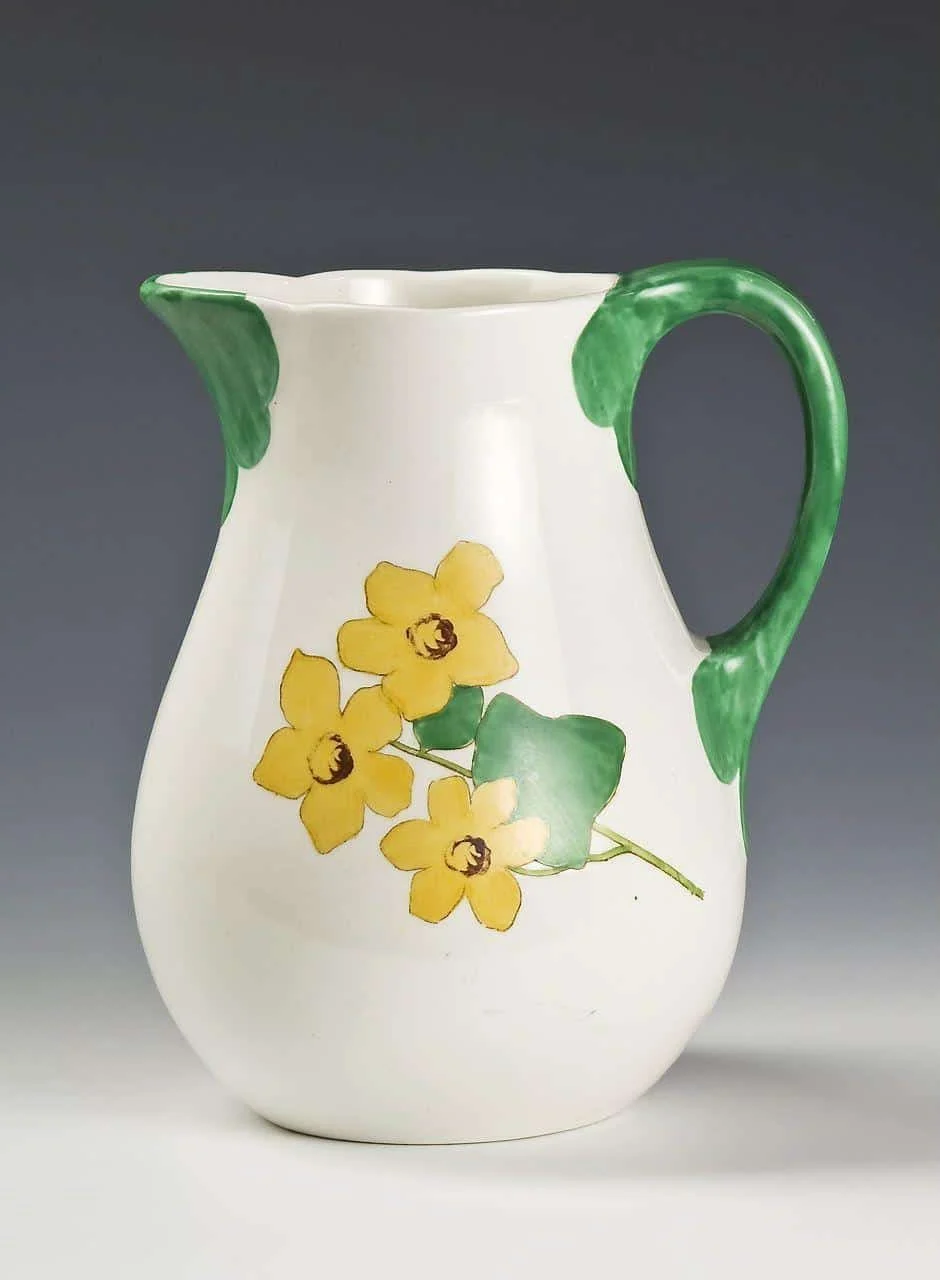
The Faience Museum tells the story of the ceramics industry that became an important part of Egersund’s identity. Its displays connect familiar household objects with production, design and the people behind them. This is a specific industrial and cultural story, giving the town a subject beyond picturesque streets. It is particularly worthwhile for visitors interested in craft, design or the history of everyday objects.
Check current exhibition opening and any booked activity programme before visiting. A general museum ticket and a clay workshop or guided session are not necessarily the same arrangement. If children want a hands-on experience, confirm availability and age suitability directly. Visitors with mobility needs should ask about the current exhibition route and facilities rather than relying only on the central location.
Allow a meaningful block here, then return to the streets with a better understanding of the town’s working history. The museum also provides an indoor anchor during unsettled weather. Rather than trying to remember every object, follow one theme such as changing tableware or the relationship between factory and town. This makes the visit more engaging than treating the collection as a quick photographic stop.
4. Dalane Folk Museum at Slettebø
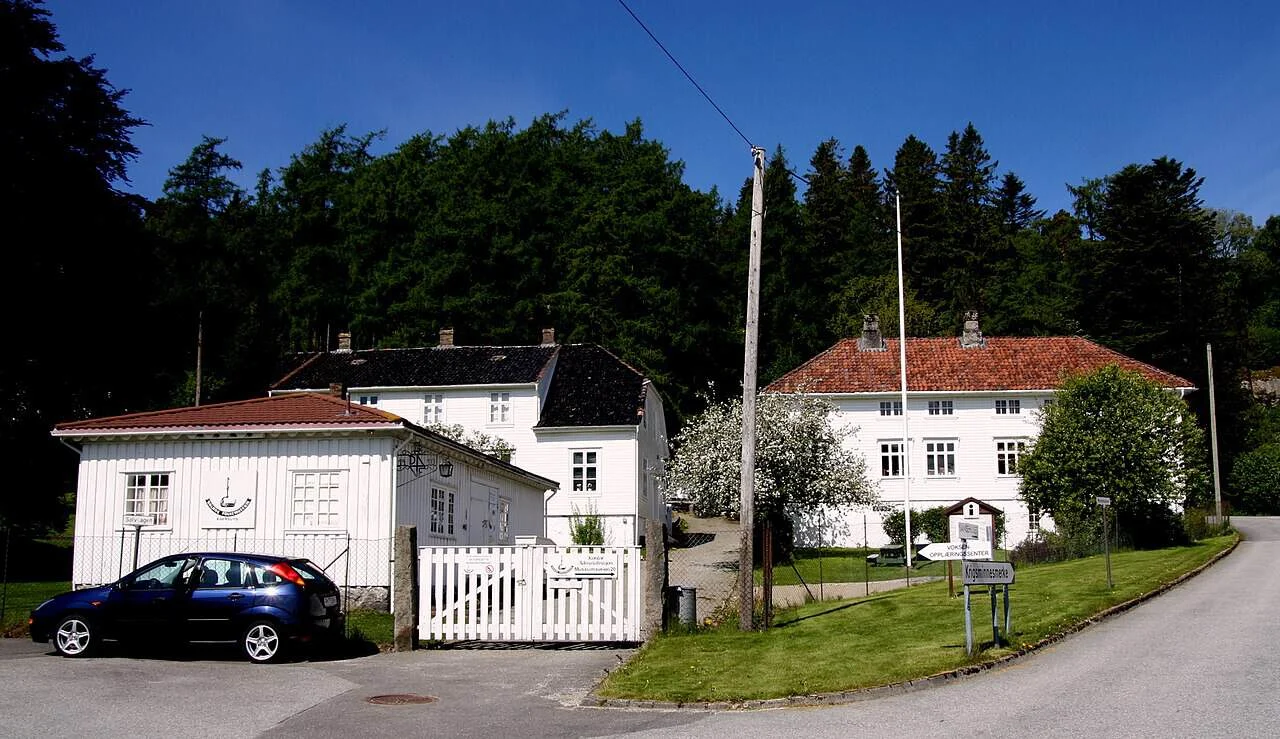
Dalane Folk Museum’s Slettebø site introduces the wider region’s cultural history and historic buildings. It is separate from the central Faience Museum even though both belong to the regional museum organisation. That distinction is important when planning: visiting one does not automatically mean you have seen the other, and transport and opening arrangements need to be checked for the specific site.
Consult the museum’s current programme for access to buildings, exhibitions and guided activities. Historic grounds and interiors may have different arrangements. Choose the visit according to your interest in regional life and built heritage rather than assuming every open-air museum offers identical displays. Ask about steps, paths and distances if accessibility is relevant to your group.
This can form a substantial cultural half day, combined with a quieter central walk rather than a distant coastal drive. Families may want to select a few buildings and allow breaks outdoors. If your stay is only one day, choose between the deeper regional-history focus here and the ceramics focus in town. A well-chosen museum visit is better than rushing through two collections because they share an organisation.
5. Eigerøy Lighthouse
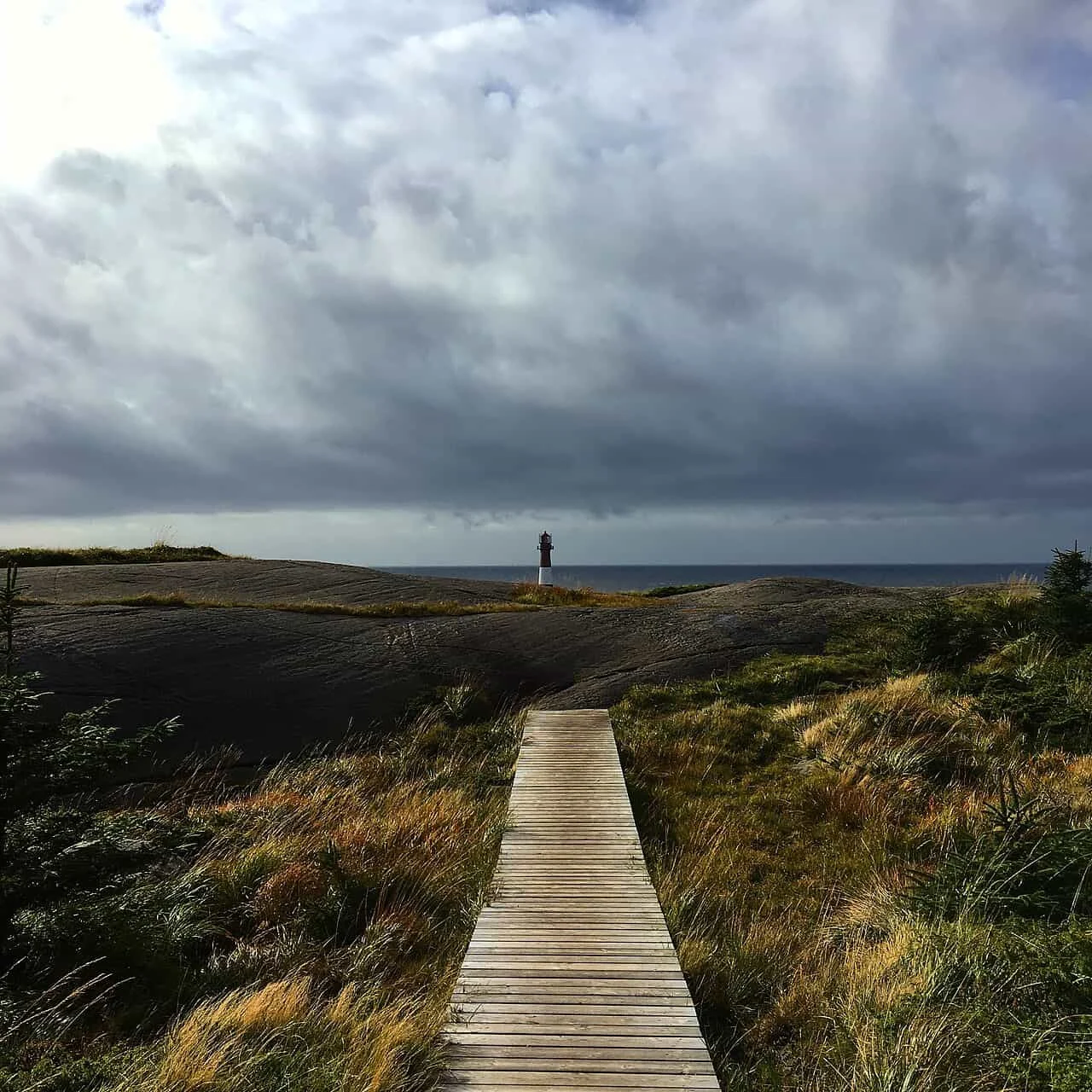
Eigerøy Lighthouse is a coastal outing west of Egersund, reached through an exposed maritime landscape. The approach walk and surrounding coast are part of the experience, not simply the tower itself. It is a strong choice for visitors who want to feel the open-sea setting after time in the sheltered town, provided weather and the route suit the group.
Check current access, parking and any arrangements for entering the lighthouse. The walking route being available does not establish that the tower or a café will be open. Wear footwear for the surface and carry wind protection. In rough conditions, stay away from wave-washed rocks and follow signs; a lighthouse location is not a promise of a safe place to approach the water.
Give the outing a comfortable half-day block including the journey from town, the walk and time to look around. Do not combine it automatically with Trollpikken and Jøssingfjord on a short winter day. If conditions are unpleasant, retain the central museum plan and choose the coast another day. A calm, unhurried visit is more rewarding than a rushed walk made only to photograph the tower.
6. Trollpikken and the rocky geopark landscape
Verified planning detail: Fjord Norway lists a 4.7 km trail distance for Trollpikken. Use its mapped route and current conditions when planning the walk, and add travel to the trailhead. Official visitor information.
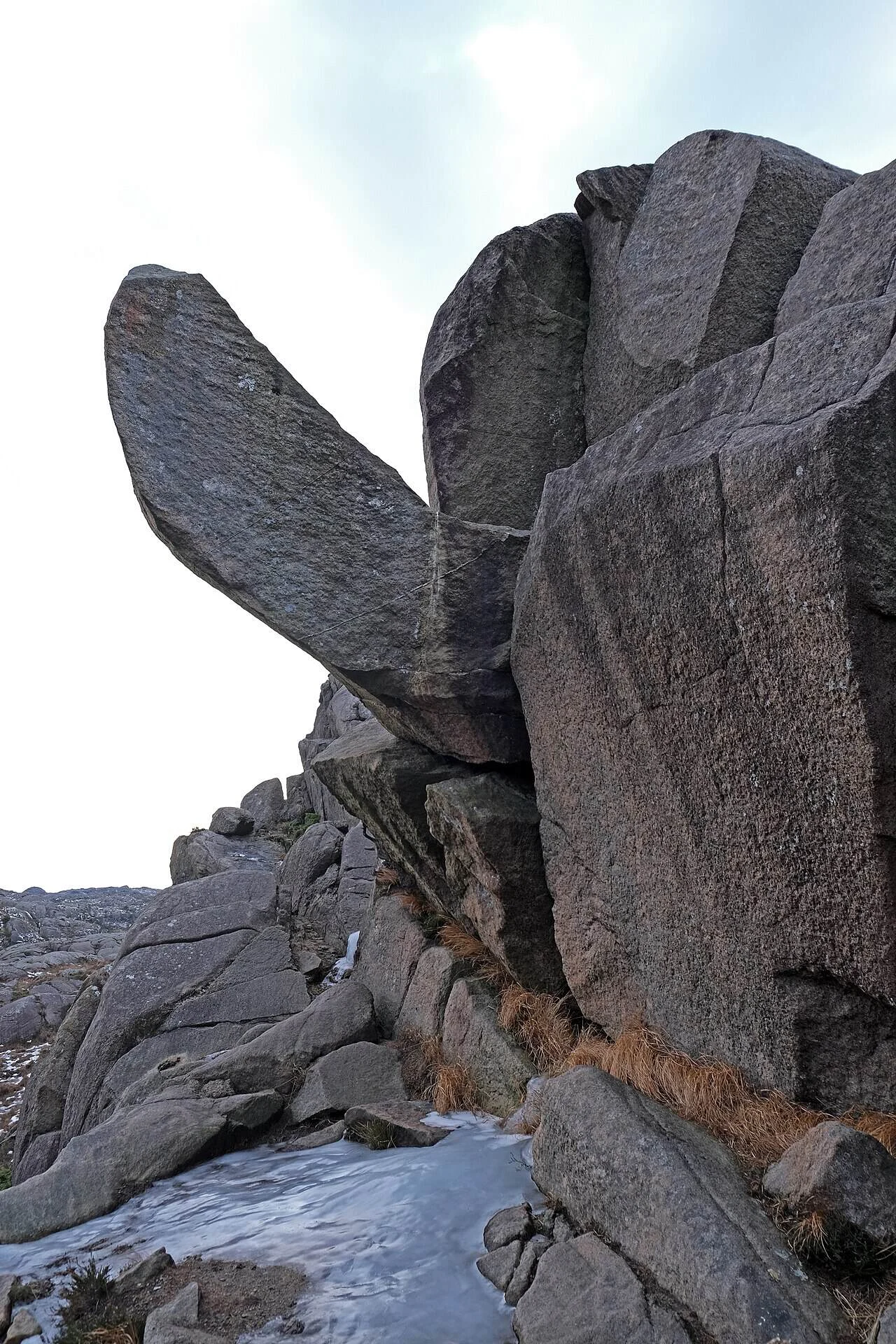
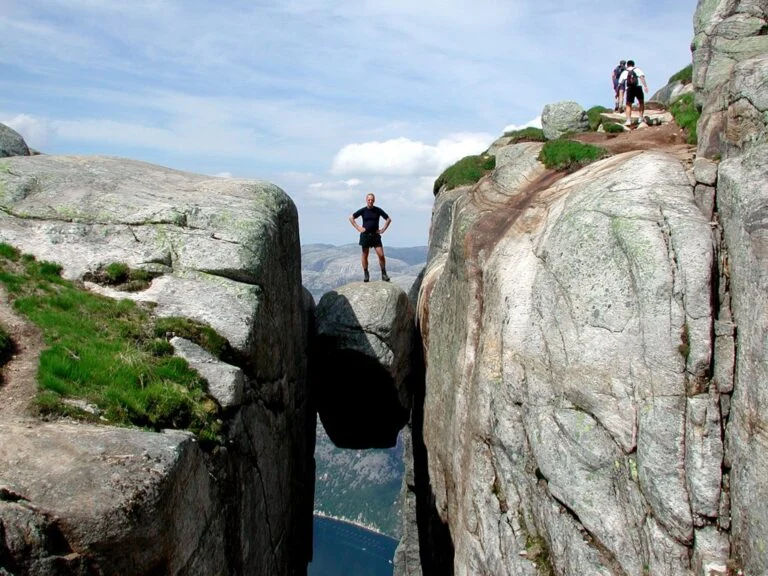
Trollpikken is a distinctive rock formation outside Egersund and a well-known walking objective within the Magma UNESCO Global Geopark. The surrounding terrain is important to the experience: low rocky hills and the effects of erosion give the walk context beyond the formation’s unusual shape. This is a countryside hike, not an attraction reached by stepping out in the town centre.
Use the official starting point and a current route description. Check distance, ascent and underfoot conditions against your group’s abilities, and carry appropriate clothing and water. Wet rock can be slippery, and the absence of a high summit does not remove the need to plan. Do not climb on or damage the formation, and remain on the recommended route where signs direct visitors.
Make this the main active objective of a day, with a relaxed return to town. A museum visit before or afterwards can add context to the landscape, but avoid a schedule that forces a rushed walk. If the conditions do not suit, choose a lower-level town route instead. A geopark visit is about understanding and respecting the landscape, not only reaching a single photogenic object.
7. Varberg viewpoint and local rock carvings
Varberg offers an elevated perspective close to Egersund and connects with the town’s broader cultural-walk suggestions. It is useful for visitors who want a viewpoint without organising one of the longer regional excursions. Local rock-carving heritage also adds an older historical layer to the area. Use current local directions to distinguish the viewpoint route from the location and access arrangements of individual carvings.
The climb still needs suitable footwear and conditions. Check the actual approach for steps, gradient and any wet or icy sections rather than assuming that “in town” means level access. At archaeological sites, stay on designated routes and never touch, trace, chalk or wet the carvings. Their visibility can change with light, and preserving them matters more than improving a photograph.
Pair the viewpoint with the central cultural trail if the group has the energy, keeping the Faience Museum as a separate indoor block. There is no need to add a distant hike on the same day. If weather reduces visibility, spend longer with the town interpretation and return later if conditions improve. This keeps the outing proportional to a short stay rather than turning every view into a fixed obligation.
8. Helleren in Jøssingfjord: a separate coastal excursion
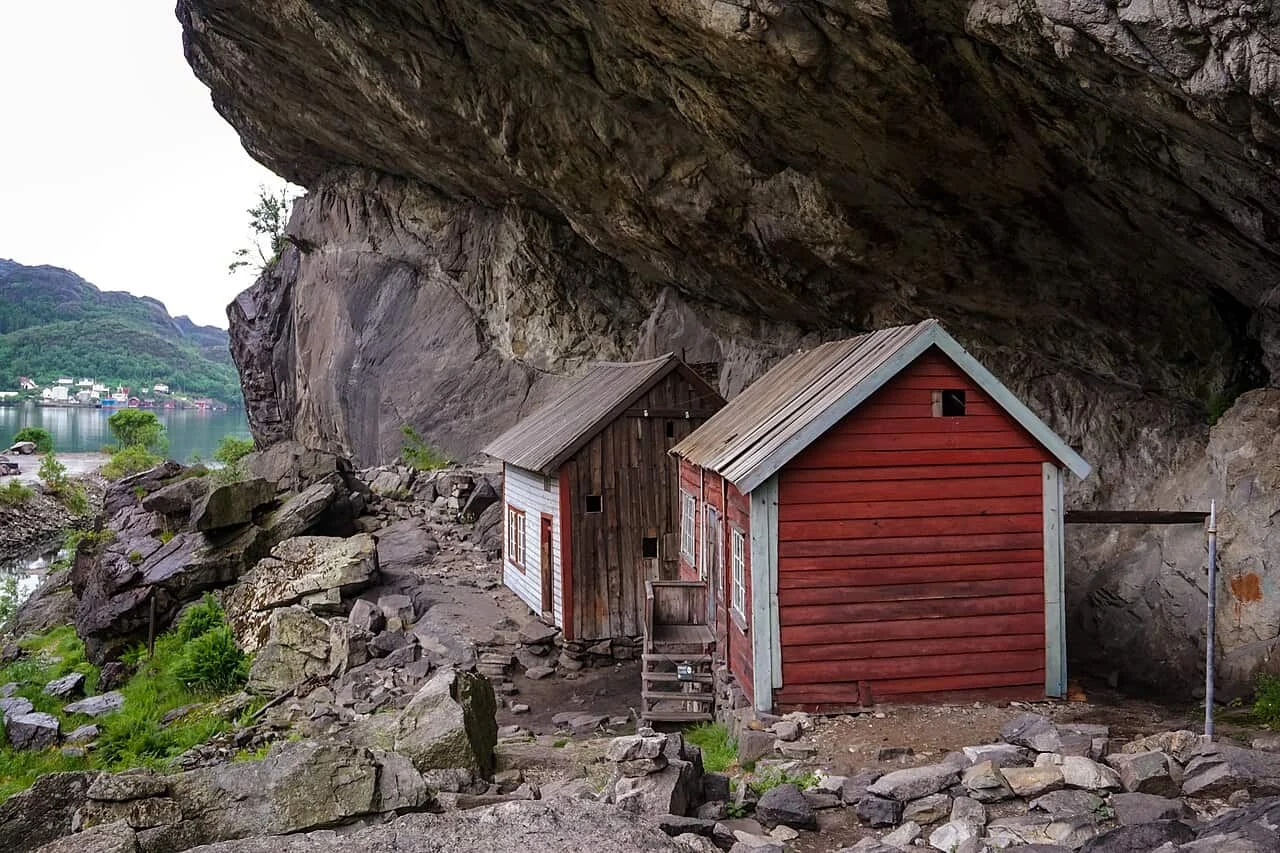
The houses beneath the rock overhang at Helleren are in Jøssingfjord, in neighbouring Sokndal, rather than central Egersund. They provide a striking example of buildings relating directly to the surrounding terrain. The journey along the coast is part of a regional outing, and the site deserves time to understand its setting instead of functioning only as a photograph stop on a rushed drive.
Read the museum’s current visitor guidance and respect the historic structures. Do not assume every doorway or interior is available simply because the site is outdoors. Use designated parking and paths, and take care where the landscape meets roads and working areas. If access needs are relevant, ask about the precise route to the houses before travelling.
Combine Helleren with the nearby Jøssingfjord Science Museum when its opening programme fits. That pairing creates a coherent day about landscape, settlement and industry. It is more useful than adding several unrelated long-distance stops. Leave time for the coastal drive and return, particularly outside long summer daylight. If travelling without a car, establish a complete transport plan rather than relying on the sites’ relative closeness on a map.
9. Jøssingfjord Science Museum
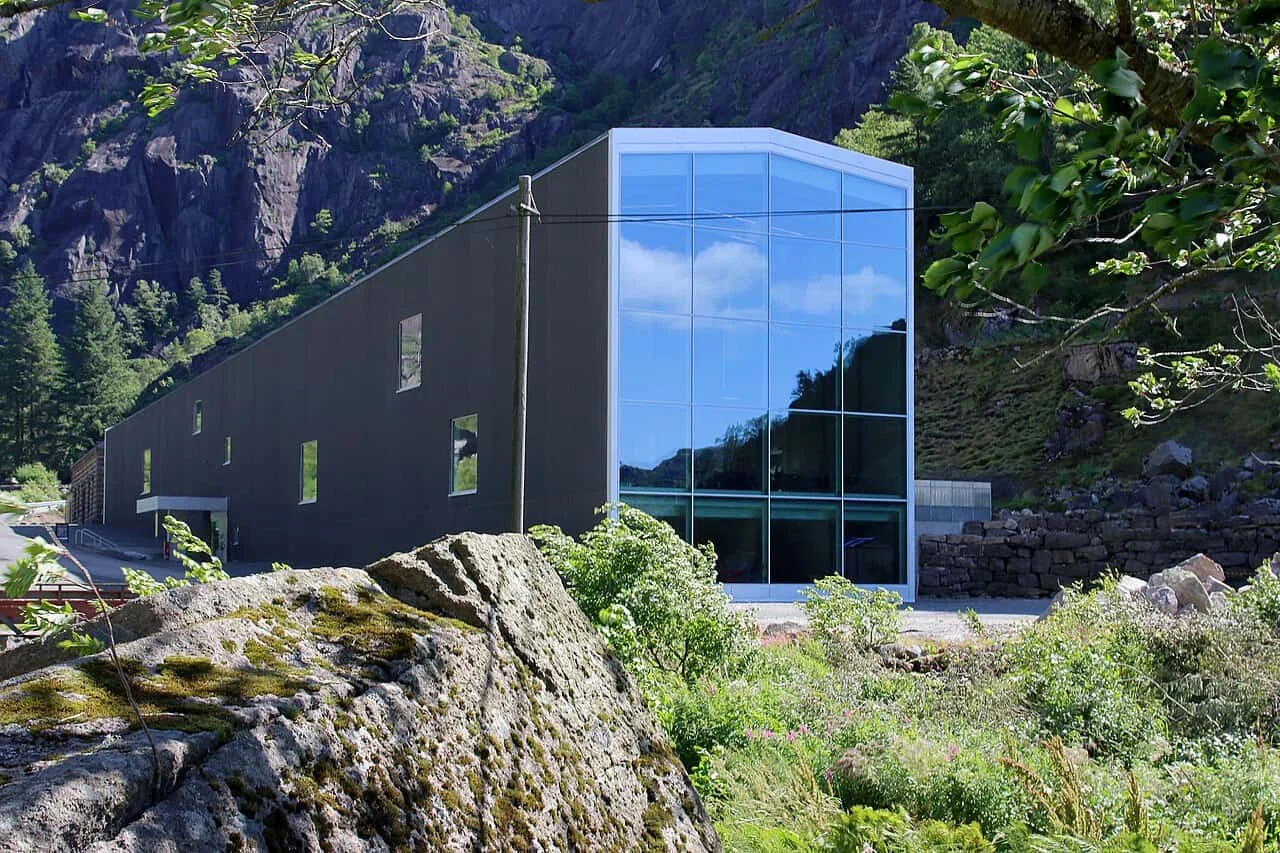
Jøssingfjord Science Museum connects the region’s geology with people, technology and industrial history. Its position near Helleren makes it a natural companion to the outdoor heritage site. The subject helps explain why this rocky coast is more than a visually unusual landscape: local resources and working industries have shaped the communities as well as the scenery.
Check current museum opening and the activities available for your dates. Interactive experiences can be particularly useful for families, but choose a pace that allows children to engage rather than rushing between stations. The museum’s own visitor information describes accessibility arrangements; contact it about any specific needs. A café visit and a museum visit may have different practical arrangements, so verify what you intend to use.
Allow a substantial block and connect the displays with what you have just seen outside. If you are interested in geology, this can provide more value than trying to fit several additional rock formations into the same day. Keep the return drive relaxed and avoid combining the excursion with an ambitious hike. The museum-and-Helleren pairing is already a full and distinct regional experience.
10. Sogndalstrand: a slower coastal-town visit
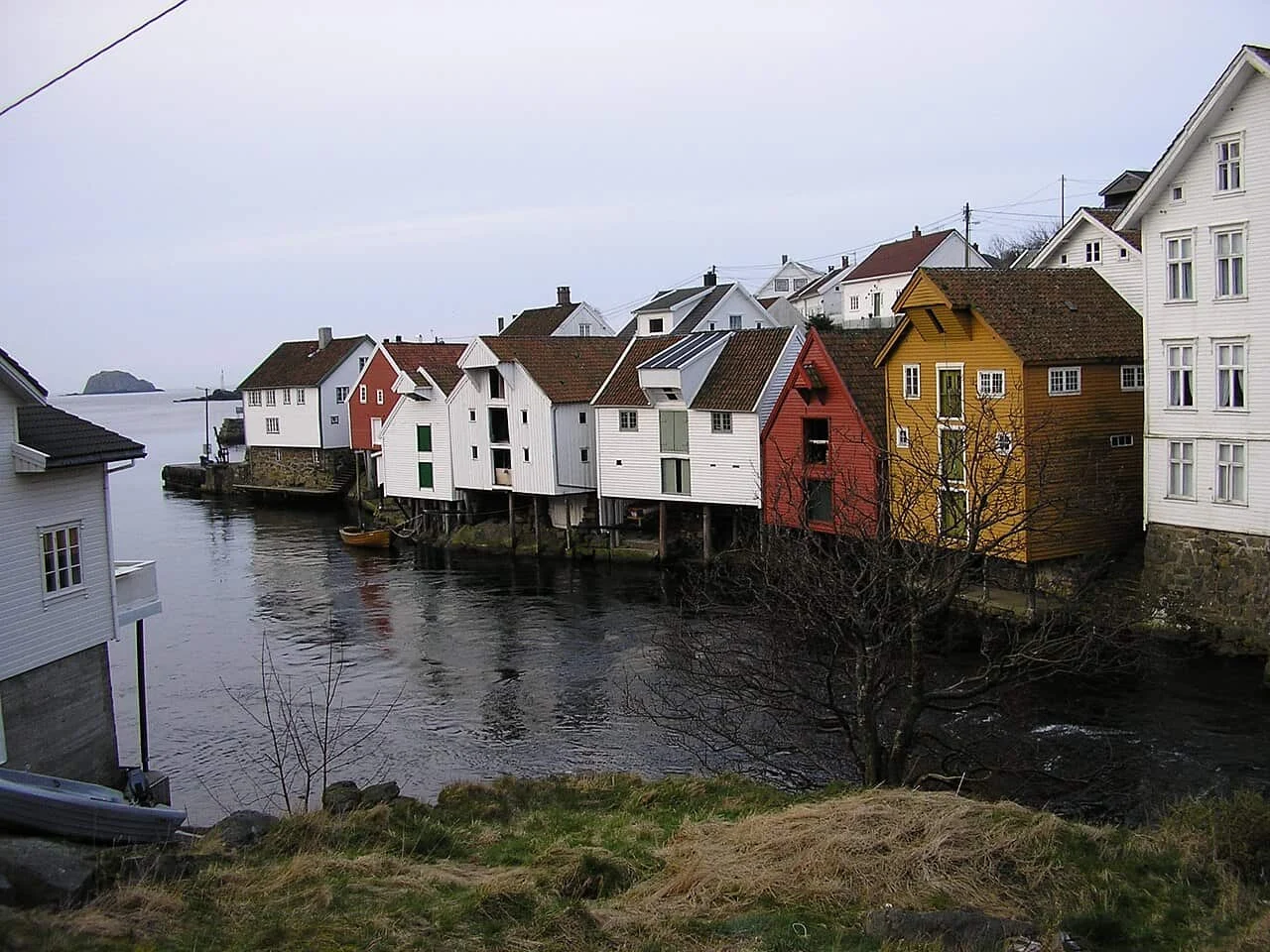
Sogndalstrand is another excursion in neighbouring Sokndal, with older houses and a compact coastal setting. It offers a quieter townscape to compare with Egersund, rather than a dramatic mountain objective. The pleasure is in walking through the settlement and towards the water, noticing how the built environment fits the narrow streets and harbour landscape.
Use visitor parking and continue on foot where directed. The settlement is also a residential place, so respect private gardens, windows and doorways. Check any museum, gallery or restaurant you particularly want to visit instead of assuming all visitor services operate every day. In quieter seasons, the main experience may be the outdoor walk rather than a full programme of open businesses.
Sogndalstrand can be combined with selected Sokndal sights on a car-based day, but avoid trying to include every entry in this guide. Choose it when a slower coastal walk suits your interests, or as an alternative to an active hike. Allow time for a meal if a suitable venue is operating. The best visit is one that leaves space to enjoy the setting rather than treating another town as a quick detour.
Realistic Egersund itineraries
One day: town, ceramics and a viewpoint
Start among the wooden streets and follow a selected part of the cultural trail, including Haugen if the route suits your group. Give the Faience Museum a substantial indoor block. In suitable weather, add Varberg using current local directions, then return for a meal. This creates a coherent central day without requiring a car for a series of distant excursions. If the museum is closed, check Slettebø’s programme or choose a longer town walk and an independently verified alternative.
Two days: add the coast or a hike
Keep the first day for central Egersund and the ceramics story. Use the second for either Eigerøy Lighthouse or Trollpikken, choosing according to weather, fitness and transport. Treat the chosen walk as the main outing, with time for the return and a meal. Do not automatically combine both with Jøssingfjord: the extra driving and walking can remove the margin that makes the day enjoyable. A cultural alternative is Slettebø with a quieter local walk.
Three days: explore neighbouring Sokndal
After a town day and one walking or lighthouse day, use the third for Helleren and Jøssingfjord Science Museum. Their shared location makes a coherent regional excursion. Include Sogndalstrand only if the timetable, daylight and your pace allow a proper visit rather than a rushed photograph stop. If travelling without a car, verify an organised trip or complete transport plan first. Keep the order flexible so the best weather goes to the exposed coast or countryside hike.
Practical travel tips
- A car is unnecessary for the central wooden streets and Faience Museum; lighthouse, hiking and Sokndal excursions need additional transport planning.
- Check each Dalane Folkemuseum site separately because opening arrangements differ between branches.
- Treat Eigerøy and Trollpikken as real walks with route-specific conditions rather than roadside photo stops.
- Keep coastal-road plans realistic in shorter daylight and leave time for the return journey.
- Respect archaeological surfaces and historic buildings; follow interpretation and designated visitor routes.
Frequently asked questions
Is Egersund worth visiting from Stavanger?
Yes, especially for a compact wooden-house town, ceramics history and access to the Magma Geopark landscape. A town-focused day is manageable, while the wider coast benefits from a longer stay.
Can I explore without a car?
The centre is walkable, but the railway station and individual attractions still require checking the exact route. Eigerøy, Trollpikken and the Sokndal sites need verified transport rather than an assumption that they are all beside town.
Is Trollpikken an easy sightseeing stop?
It requires a countryside walk from the appropriate starting point. Assess the current route, fitness, weather and surface conditions; it is not equivalent to visiting a viewpoint beside a car park.
Are Helleren and Jøssingfjord in Egersund?
They are in neighbouring Sokndal and should be planned as a separate coastal excursion. Pairing Helleren with the nearby science museum is more coherent than adding them casually to a packed central day.
Can I enter Eigerøy Lighthouse whenever I walk there?
Do not assume so. Tower access and any café opening have specific arrangements that are separate from the approach walk. Check current information before making the interior the purpose of the outing.
What should I do in rain?
The Faience Museum provides a central indoor option when open, while the regional museum and Jøssingfjord Science Museum offer other choices with transport. Keep exposed coast walks flexible and verify each site’s opening programme.
Continue exploring Norway
Sources and current travel checks
Official tourism, museum and operator information informed this guide. Opening calendars, access, fares and transport can change; follow these sources for your travel dates. Suggested visit lengths and itineraries are editorial planning allowances.
Plan experiences around your stay
These guides compare regional options and practical considerations. Check the actual departure point; a related guide is not a promise that every activity is available in this town.