10 Best Things to Do in Arendal: A Practical Guide
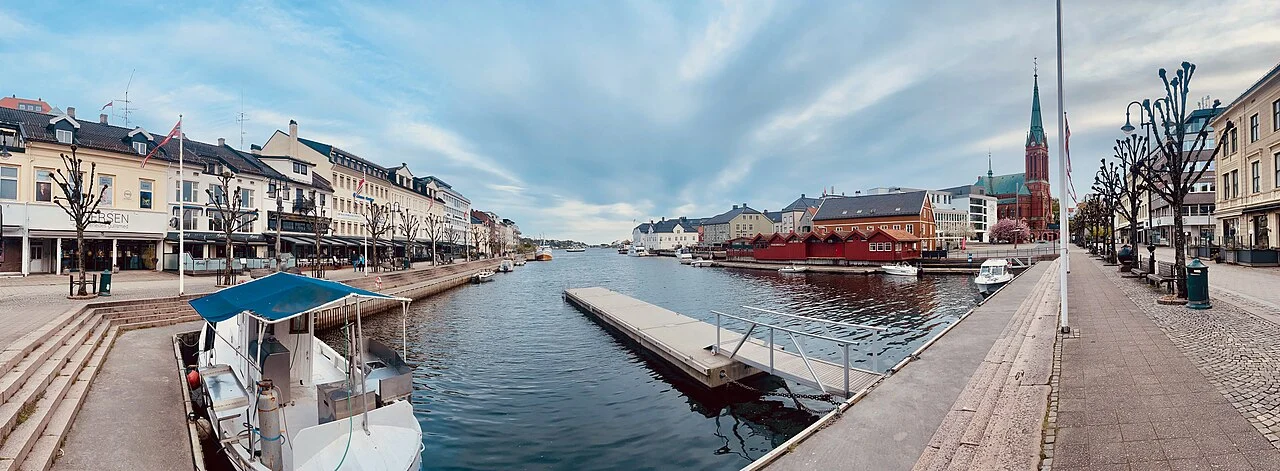
Arendal works best when you treat the harbour as the starting point for several different experiences. Pollen and Tyholmen offer a compact town walk, while museums, short ferry journeys and the coast of Tromøy bring more variety. Its waterfront is not simply a place to photograph before moving on: it is where the relationship between the town and its surrounding islands becomes clear. A visit can be mostly urban, mostly outdoors or a balance of the two. Allow two full days if you want the centre and one substantial excursion. A third day is useful for an island visit or a slower exploration of Hove and the Raet coastline. Boat services, museum access and outdoor conditions are separate questions; a clear forecast does not guarantee a seasonal departure. The following ten choices are intended to help you prioritise, not to create a race between islands. A car is unnecessary for a central walk but can change the options for outlying places. Check the full journey, including your return, before building an itinerary around the water.
Arendal: quick answers
- Worth visiting?
- Yes, for wooden coastal neighbourhoods and a working harbour.
- Time needed
- One day for the centre; two or three with an island outing.
- Best time
- Summer for the widest boat and coastal choices; check seasonal operation.
- Cost level
- Moderate to high; harbour walks are free, boat trips and museums cost extra.
- Getting around
- Walk the centre; plan ferries or buses to outlying stops.
- Top priorities
- Pollen harbour, Tyholmen, Fløyheia.
How this list was selected: NorwayTop10’s editorial choices balance distinctive places, practical access and variety for a first visit. The order is a planning guide rather than a public vote. Outings beyond the destination are identified in their descriptions; ten entries do not mean ten stops in one day.
Compare the ten options
Times are editorial planning allowances, not operator schedules. Add travel and waiting time unless the row explicitly describes a whole outing. For guided experiences, use the confirmed booking duration. See each description for terrain and seasonal restrictions.
| Place or activity | Access to plan | Time to allow |
|---|---|---|
| Pollen harbour | Central harbour on foot | 30–60 min |
| Tyholmen wooden neighbourhood | Town centre on foot | 45–60 min |
| Fløyheia and the glass elevator | Use the signed lift approach | 45–90 min |
| KUBEN museum and archive | Local walk or transfer | 1–2 hr |
| Vitensenteret Sørlandet | Town visit on foot | 1½–2 hr |
| Trinity Church and the central streets | Town centre on foot | 20–40 min |
| Merdø island | Ferry from Pollen | Half-day including the boat |
| Hove and Raet National Park on Tromøy | Road or dated bus connection to Tromøy | Half-day or full day |
| Spornes coastal scenery | Road approach and coastal walking | Half-day |
| A short ferry trip to Kolbjørnsvik | Check the Kolbjørnsvik sailing | Allow time for a return ferry and stroll |
1. Pollen harbour
Pollen is the natural place to begin in Arendal. This sheltered harbour basin puts the waterfront, town streets and boat connections into one readable setting. Walk its edge before choosing a café or heading into Tyholmen; the changing views of boats and buildings make it more useful as an introduction than a single designated photo stop.
Use Pollen to orient yourself, locate any relevant departure point and compare the day’s weather with your plans. It can be a short arrival-day walk or the setting for a longer meal. Keep the best dry period for the waterfront if you are also planning a substantial museum visit elsewhere in town.
Harbour restaurants and boat services have individual calendars. Do not assume a busy summer photograph describes the atmosphere or availability during your own visit. Leave moorings and working equipment clear, watch children near the water and avoid committing to an island trip until its return arrangement is understood.
2. Tyholmen wooden neighbourhood
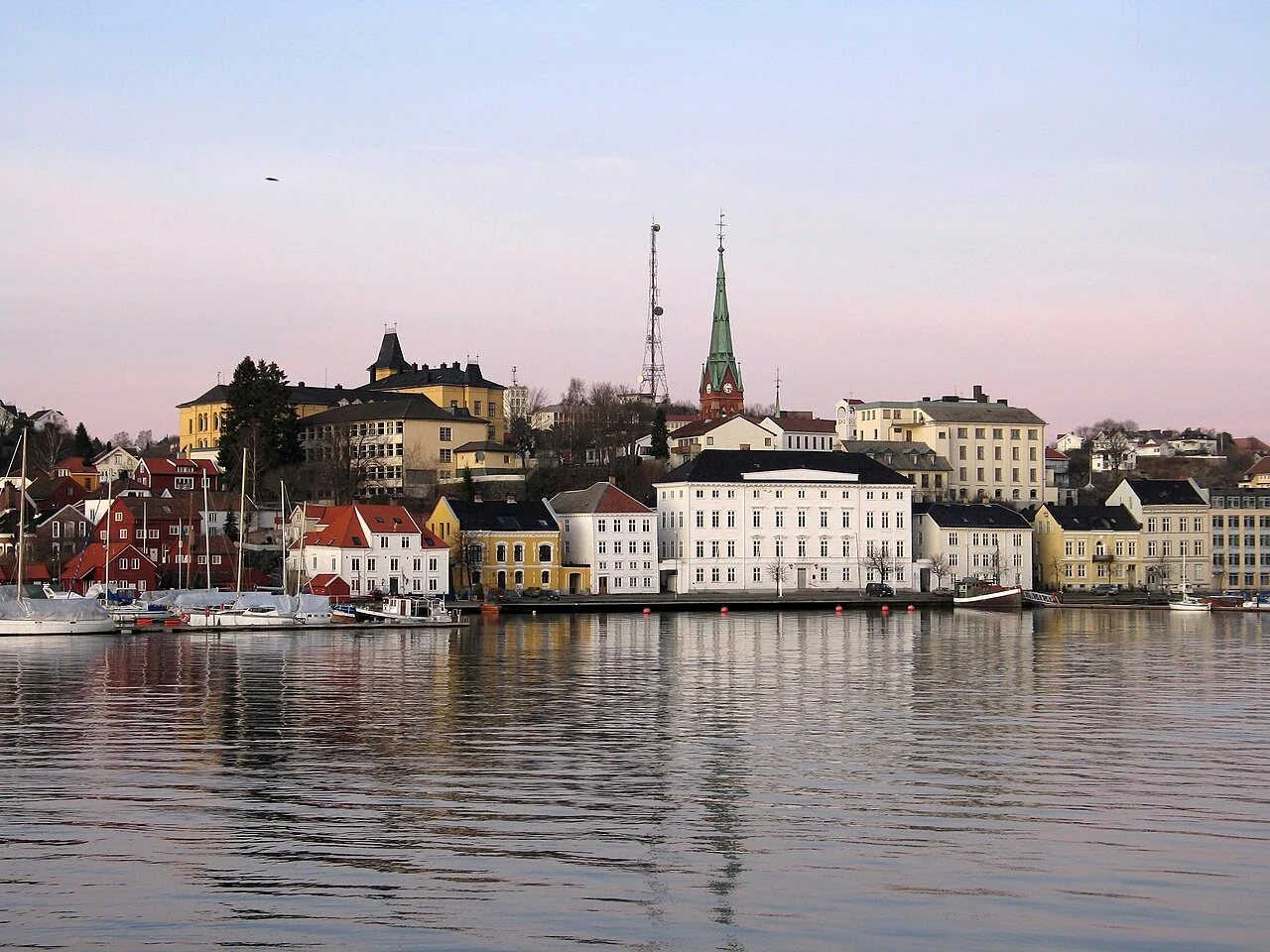
Tyholmen provides the town’s older wooden streets and a more intimate scale than the open harbour edge. Exploring the lanes on foot lets you notice the relationship between houses, slopes and the water. The attraction is the surviving streetscape as a whole, not a requirement to enter a particular private building.
Pair Tyholmen with Pollen and the central church area to create an efficient first walk. The lanes reward a little time, especially if your interest is architecture or photography. Choose your route according to the ground underfoot and your mobility rather than assuming the entire historic quarter is level or equally easy to navigate.
Respect residential entrances and keep to public routes. A guided town walk can add historical context, but availability needs checking. If you explore independently, avoid attaching exact dates or stories to buildings without reliable interpretation; the pleasure of observing details does not depend on inventing a history for every facade.
3. Fløyheia and the glass elevator
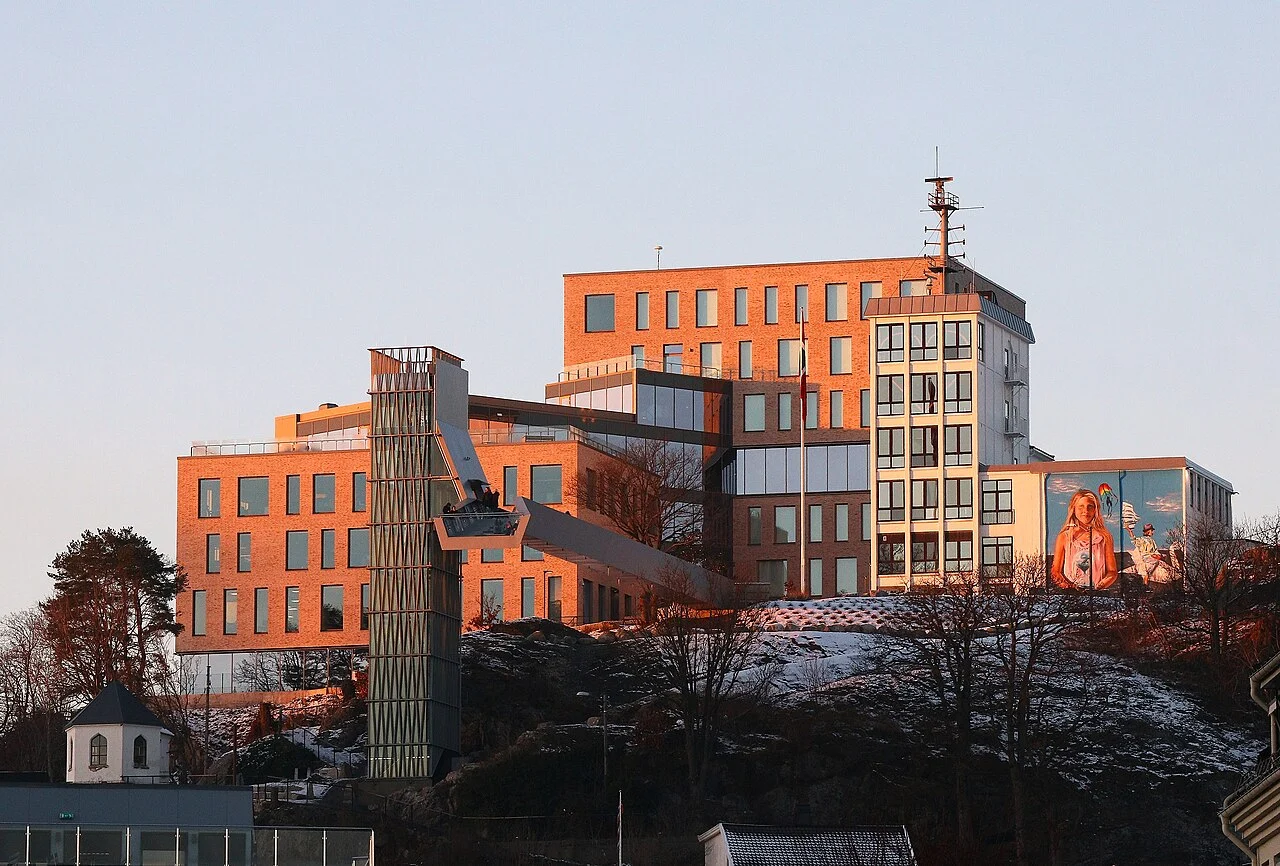
The glass elevator is a way to add an elevated perspective to a central Arendal visit. Views from the Fløyheia area help you understand the shape of the town and its watery surroundings after walking at harbour level. It is a useful contrast to the enclosed streets of Tyholmen rather than another distant excursion.
Check the elevator’s current operating information before treating it as an essential transport link. Select a reasonably clear period for the viewpoint; low cloud and heavy rain can reduce the benefit. Combine the visit with the town centre so that a change in access does not derail a larger part of your itinerary.
A panoramic stop is not a substitute for planning accessibility. Visitors who rely on step-free movement should confirm the complete route, including approaches at both ends. Stay within public viewing areas and do not cross barriers for a wider photograph. If the elevator is unavailable, the harbour walk remains a complete central experience.
4. KUBEN museum and archive
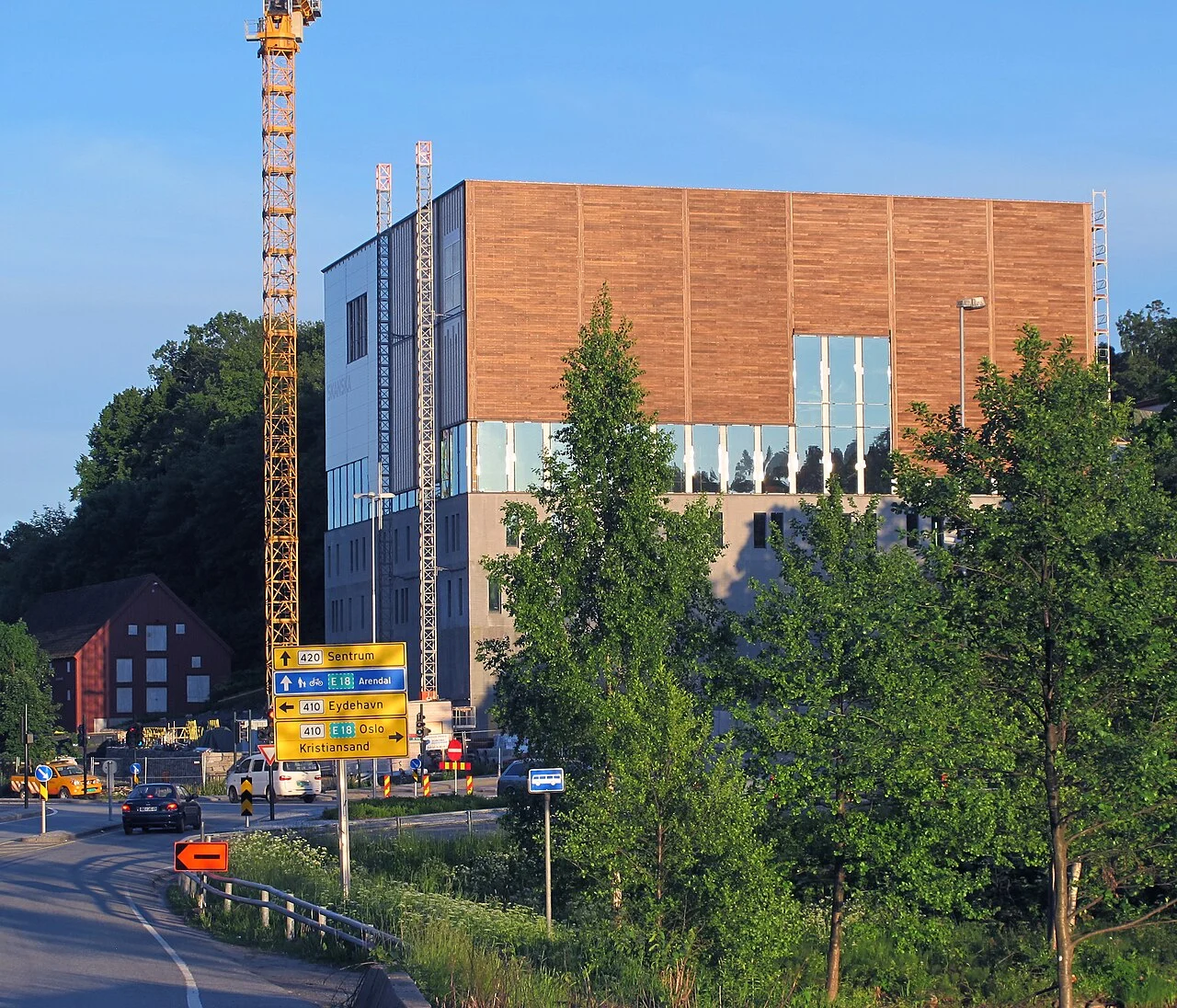
KUBEN gives an Arendal visit a substantial historical dimension beyond the waterfront streets. The museum and archive at Langsæ is particularly relevant if you want to connect the landscape with the lives and activities of the wider region. It is a better choice for sustained attention than for a rushed stop between two ferry departures.
Check the current exhibitions and public opening information before travelling there. Give the visit a separate indoor block and allow time for the route from the centre. Pair it with a central afternoon rather than adding it to a full day on Tromøy; grouping places sensibly usually produces a more satisfying visit.
An archive service, public exhibition and special event may have different access arrangements. Do not assume all material is freely available on demand. If you have a particular research interest, contact the institution in advance. Families should look at the current activity programme rather than assuming the same children’s offer runs every day.
5. Vitensenteret Sørlandet
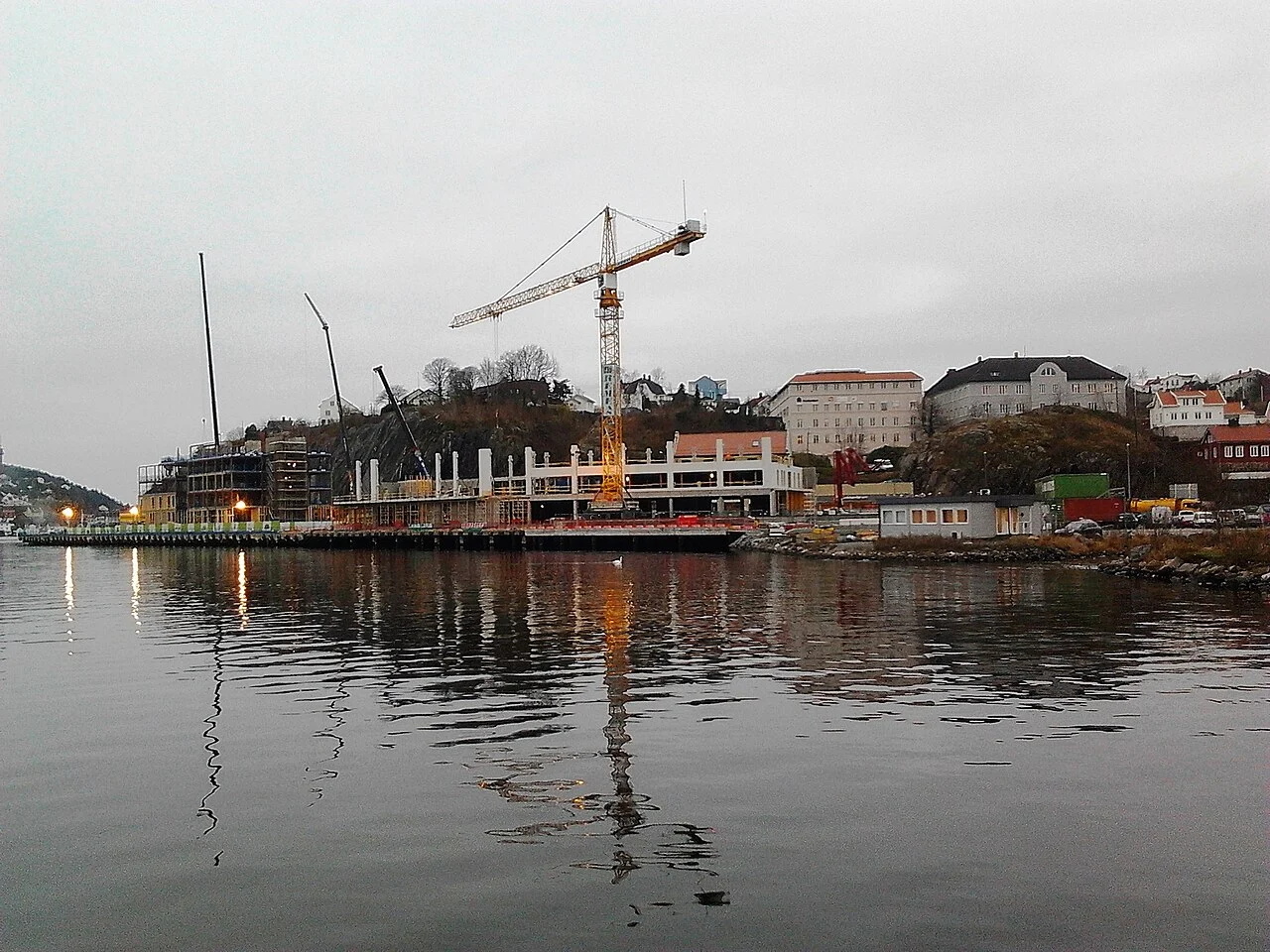
The science centre is an option for a more hands-on indoor experience in Arendal. It is especially relevant to families or visitors who prefer interactive learning to a conventional museum walk. Its value depends on your group’s interests, so it is sensible to choose it deliberately rather than adding it merely because rain is forecast.
Review current visitor information, suggested age groups and any booking requirements. Give children enough time to engage with the activities instead of trying to cover every station quickly. Pair the visit with a nearby meal and a short waterfront walk to create a balanced day without too many changes of pace.
Programmes and practical arrangements can change. Use the operator’s details for accessibility, group visits and restrictions rather than relying on a general destination description. If your group prefers art or local history, another museum may be a better use of the same time; there is no obligation to visit every indoor attraction.
6. Trinity Church and the central streets
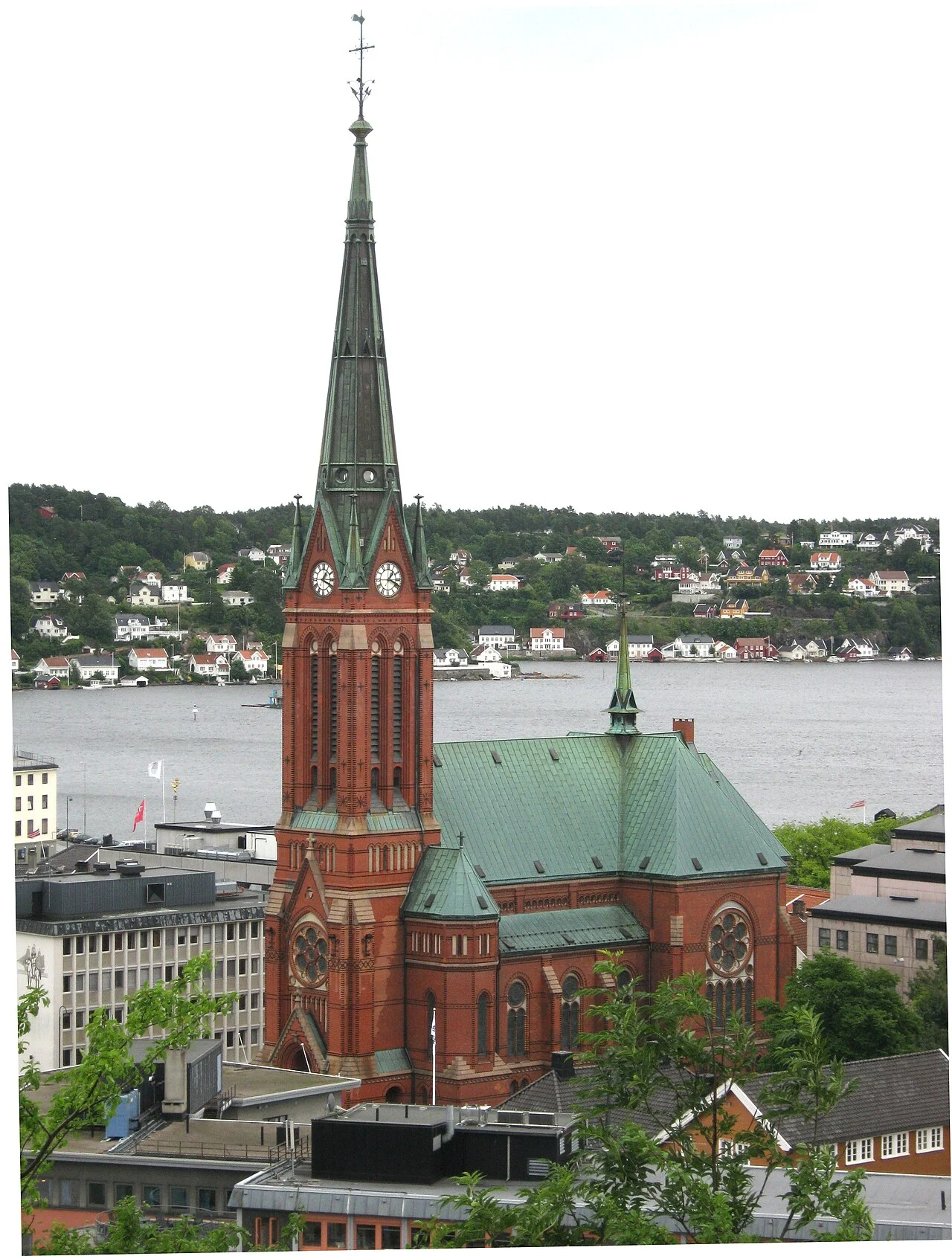
Trefoldighetskirken, or Trinity Church, is a conspicuous part of central Arendal’s townscape. It gives a clear destination to a walk away from the harbour and a different architectural scale from the wooden lanes. Seeing the exterior fits naturally into a central circuit even when the building is not open for sightseeing.
Combine the church area with town streets rather than making a separate journey solely for a brief exterior stop. If an interior visit or musical event is important to you, check the parish’s current information first. A working church may prioritise services and private occasions over tourist access at particular times.
Be considerate around worship, funerals and other events. Follow any photography instructions indoors and do not assume silence means unrestricted entry is permitted. This is the central Trinity Church; avoid confusing it with older churches elsewhere in the municipality when reading short descriptions or planning a wider historical route.
7. Merdø island
Verified planning detail: Merdøferga's destination listing gives about 25 minutes for the crossing from Pollen. Confirm the seasonal departure and return with the operator, particularly outside the high season. Official visitor information.
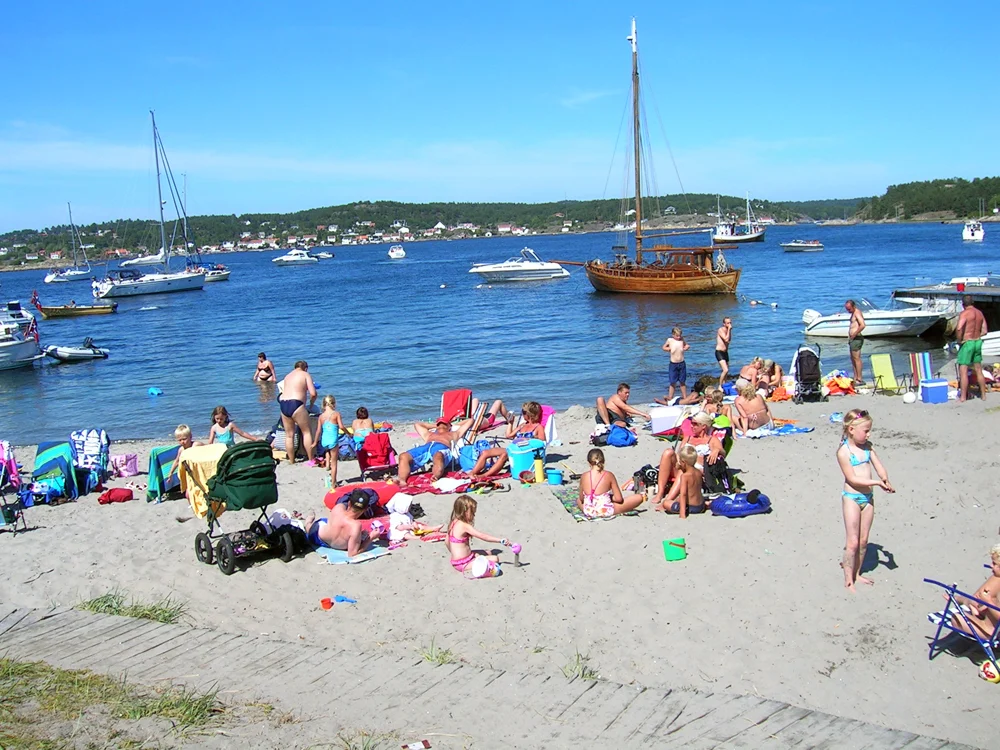
Merdø offers a change from the town to a smaller island environment with old houses, paths and a maritime museum setting. The journey through the coastal waters is part of the appeal. It suits visitors who want time to walk and linger, not simply land, take a photograph and hurry immediately back to Pollen.
Look up the seasonal ferry and museum calendars separately. An available crossing does not guarantee that the museum or a food outlet is open. Pack a simple meal if necessary and choose a return departure before you leave the mainland. Allow a generous block so delays or a slower walking pace remain manageable.
This is a living island as well as a visitor destination. Stay on public paths, respect private gardens and carry waste back with you. Swimming requires a separate assessment of conditions and a suitable spot. If sailings or weather do not suit your dates, keep Merdø as a future possibility rather than improvising an uncertain water journey.
8. Hove and Raet National Park on Tromøy
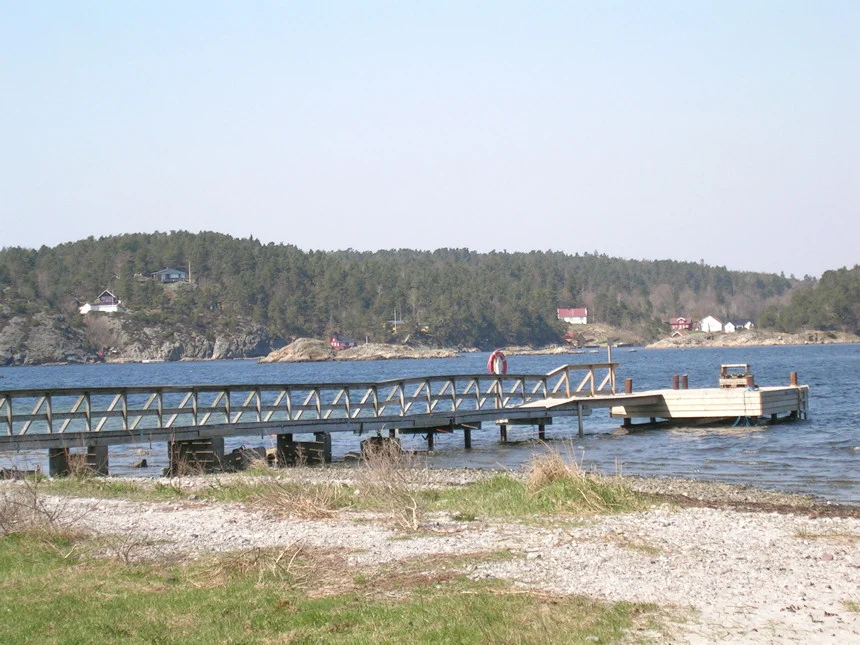
Hove on Tromøy is a strong choice for coastal walking outside Arendal’s urban centre. Woodland, shore and the Raet landscape give the day a different texture from the town and its museums. The attraction is not one monumental viewpoint: it is time among the coastal features that the national park protects.
Choose a manageable route and arrange transport before setting out. Hove deserves a substantial half-day or more, especially if you want a picnic and frequent stops. Check a current map, local notices and the forecast. Exposed sections can feel very different from a sheltered street back in Arendal.
Protected coastline is not a playground without rules. Follow signs, avoid disturbing birds and leave natural material in place. Pebbles and wet rock can be awkward even on a short outing, so suitable footwear helps. Do not promise swimming to children until you have assessed a particular beach and the sea conditions.
9. Spornes coastal scenery
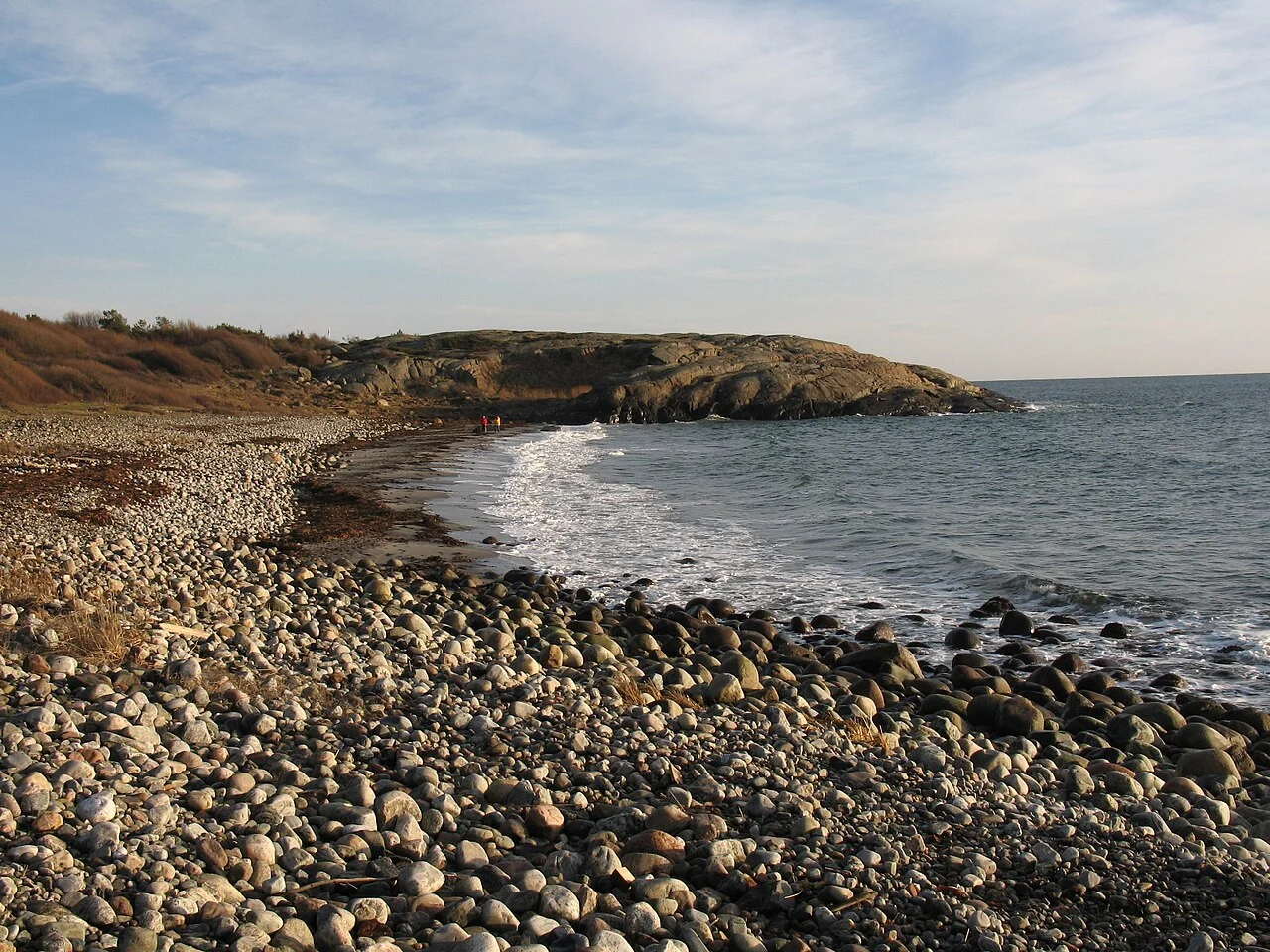
Spornes provides another way to appreciate Tromøy’s coast and its characteristic stony shoreline. It can complement Hove if you have transport and a realistic amount of time, but it is not necessary to connect every coastal place into one long walk. A short visit can still reveal the contrast between the sheltered town and the open shore.
Plan this as an outdoor landscape stop, with windproof clothing and footwear that grips on uneven stones. Check the approach on a current map and remain on established routes. Photographers should give themselves time to wait for light without moving dangerously close to breaking waves or wet edges.
It is possible to admire the coast without entering the water. Rough weather may make even shore access unsuitable, while a calm day does not eliminate slippery surfaces. If the forecast is poor, use a museum day instead. Combining Hove and Spornes should remain a flexible option, not a non-negotiable itinerary obligation.
10. A short ferry trip to Kolbjørnsvik
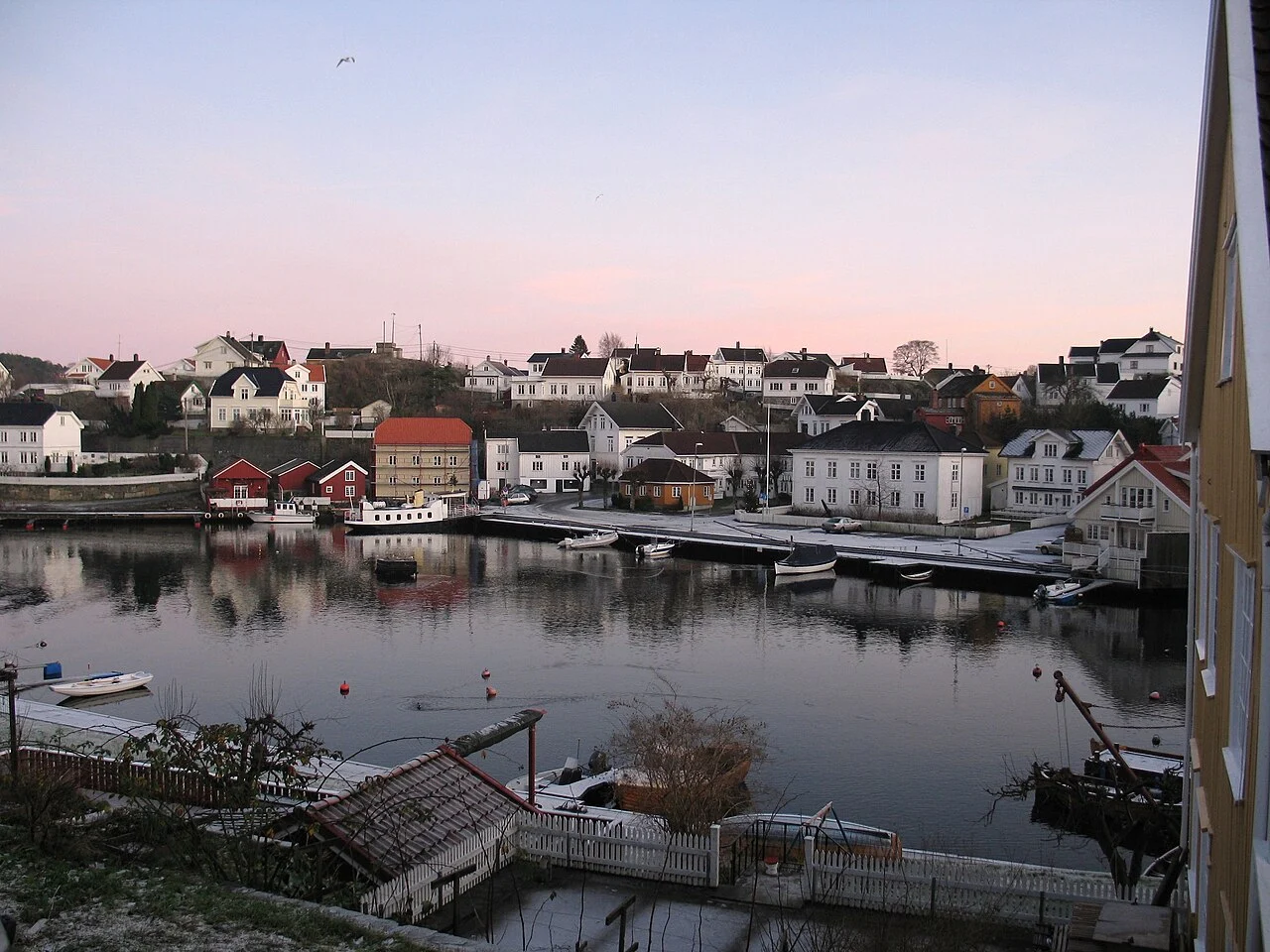
A crossing to Kolbjørnsvik on Hisøy can offer a smaller-scale island outing than dedicating a day to Merdø. Its appeal lies in changing perspective across the water and exploring a different settlement near the town. It is particularly useful if a shorter boat experience fits your visit better than a full excursion.
Check the current passenger service, boarding point and return timetable before you go. Treat the crossing and a modest stroll as the core plan; a café or additional walk can be added only when it is actually available and suitable. Keep enough margin before onward transport from Arendal.
A regular local service should be approached as transport used by residents, not as a private sightseeing cruise. Keep boarding areas clear, follow crew instructions and check any arrangements for bicycles or mobility equipment in advance. If the timetable does not fit, enjoy the harbour on foot rather than trying to substitute an unverified boat connection.
Realistic Arendal itineraries
One day: a central introduction
Begin with Pollen and Tyholmen, then continue toward Trinity Church and the Fløyheia viewpoint if the elevator is operating. Choose either KUBEN or the science centre for the main indoor visit, according to your group’s interests and opening dates. Return to the harbour for a meal. This plan deliberately omits an island excursion; adding one would reduce the time available for the town and make the day more dependent on a boat schedule.
Two days: town and Tromøy
Use the first day for the central route and one museum. Spend the second at Hove, adding Spornes only when transport, weather and energy allow. Take food and choose the walking route on the day. Reverse the order if the second day is expected to be wetter. Visitors without a car should settle the journey to and from Tromøy before leaving Arendal rather than assuming the next convenient bus will appear.
Three days: an island at its own pace
Reserve the third day for Merdø when ferries and the weather permit. Check whether its museum is open and take supplies if food service is uncertain. A shorter Kolbjørnsvik visit can replace Merdø if the available timetable works better, leaving time to revisit the town or add the museum you missed. Do not attempt to collect all island names in one day; the point is a different pace as well as a different location.
Practical travel tips
- Stay near the centre if you want to rely mainly on walking and passenger boats. Confirm the actual route between your accommodation, the harbour and any early departure.
- Separate the question of reaching an island from the question of what is open there. A ferry, museum and café can each follow a different calendar.
- For Tromøy, choose one coastal area as the priority and add others only after checking distances and transport. Avoid stitching short destination descriptions into an assumed continuous walk.
- Use KUBEN or the science centre as a weather alternative, but check their calendars before leaving all indoor decisions until a rainy morning.
- Take wind protection to the outer coast even when the harbour feels warm. Conditions on sheltered and exposed sides of the same area can differ.
- Keep a useful buffer before trains, buses or other onward travel when returning by boat. A tight connection is an unnecessary weakness in a short-break itinerary.
Frequently asked questions
Is Arendal worth a short visit?
Yes, particularly if you enjoy harbour towns, wooden streets and coastal outings. A central walk offers a useful introduction in one day, while a longer stay lets you experience Tromøy or an island without sacrificing the town itself.
Can you visit Arendal without a car?
The centre can be explored on foot, and passenger services may support island visits. Outlying coastal stops require more planning. Check current public transport for Hove and the complete return journey before choosing accommodation or committing to a fixed daily schedule.
Is Merdø a year-round museum visit?
Do not assume that. The island’s transport and museum calendars need separate checks, especially outside summer. If a museum visit is essential, choose your dates around confirmed visitor information rather than relying on the existence of the ferry route alone.
Which is better for a rainy day: KUBEN or the science centre?
Choose KUBEN for regional history and the science centre for a more interactive experience, particularly with children. Current exhibitions and activities should guide the choice. It is usually better to give one a proper visit than hurry through both to complete a list.
Is Hove in the town centre?
No. Hove is on Tromøy and requires a separate journey from central Arendal. Give it enough time for transport and a walk, and take the outer-coast weather into account. It is not an effortless extra to a full museum and island day.
How many days should you allow?
Two full days cover a central introduction and one substantial coastal outing. Three give room for an island journey or a second indoor interest. If you have only one day, prioritise Pollen, Tyholmen and one additional experience instead of chasing distant stops.
Continue exploring Norway
West of Arendal, Grimstad’s literary heritage and wooden streets offer a different coastal stop. A separate half-day or overnight works well when museum hours and transport align.
Sources and current travel checks
Official tourism, museum and operator information informed this guide. Opening calendars, access, fares and transport can change; follow these sources for your travel dates. Suggested visit lengths and itineraries are editorial planning allowances.
Choose accommodation and plan Arendal
Compare accommodation options alongside the places you want to visit. Check the journey to the property before reserving.