10 Best Things to Do in Stavanger: A Practical Travel Guide
The best things to do in Stavanger combine a compact historic city with Lysefjord, coastal landscapes and properly planned outdoor excursions. This Stavanger travel guide separates central walking stops from trips that need half a day or longer. Allow two days for the city and a cruise, adding a third for Preikestolen if your fitness, equipment and the forecast allow. A fjord cruise and a mountain hike demand very different preparations, even when they feature the same cliff.
An independent Stavanger travel guide with ten priorities, practical visit lengths, realistic one-, two- and three-day routes, transport advice and seasonal alternatives.
Stavanger: quick answers
- Worth visiting?
- Yes; choose experiences that suit your interests and season.
- Time needed
- Two full days, or three with an outing beyond the centre.
- Best time
- May–September for broad outdoor choices; winter for a shorter city break.
- Cost level
- High; balance paid attractions with free walks.
- Getting around
- Walk centrally; use public transport and booked transfers farther out.
- Top priorities
- Gamle Stavanger, Norwegian Petroleum Museum, Stavanger Cathedral and Breiavatnet
How this list was selected: NorwayTop10 editorial selection, not a public vote. We assess first-time visitor value, local distinctiveness, practical access and the variety an experience adds to a short stay. The order does not mean every visitor should follow it: interests, mobility, weather and operating dates determine the best final route. No operator paid for inclusion.
In this guide
- Gamle Stavanger
- Norwegian Petroleum Museum
- Stavanger Cathedral and Breiavatnet
- Øvre Holmegate and central streets
- Lysefjord cruise
- Preikestolen day hike
- Sverd i fjell at Hafrsfjord
- Jæren beaches
- Norwegian Canning Museum at IDDIS
- Flor og Fjære garden excursion
Best things to do in Stavanger: the Top 10
Bookings through Viator may earn us a commission.
1. Gamle Stavanger
Book here with Viator → Guided city walking tour
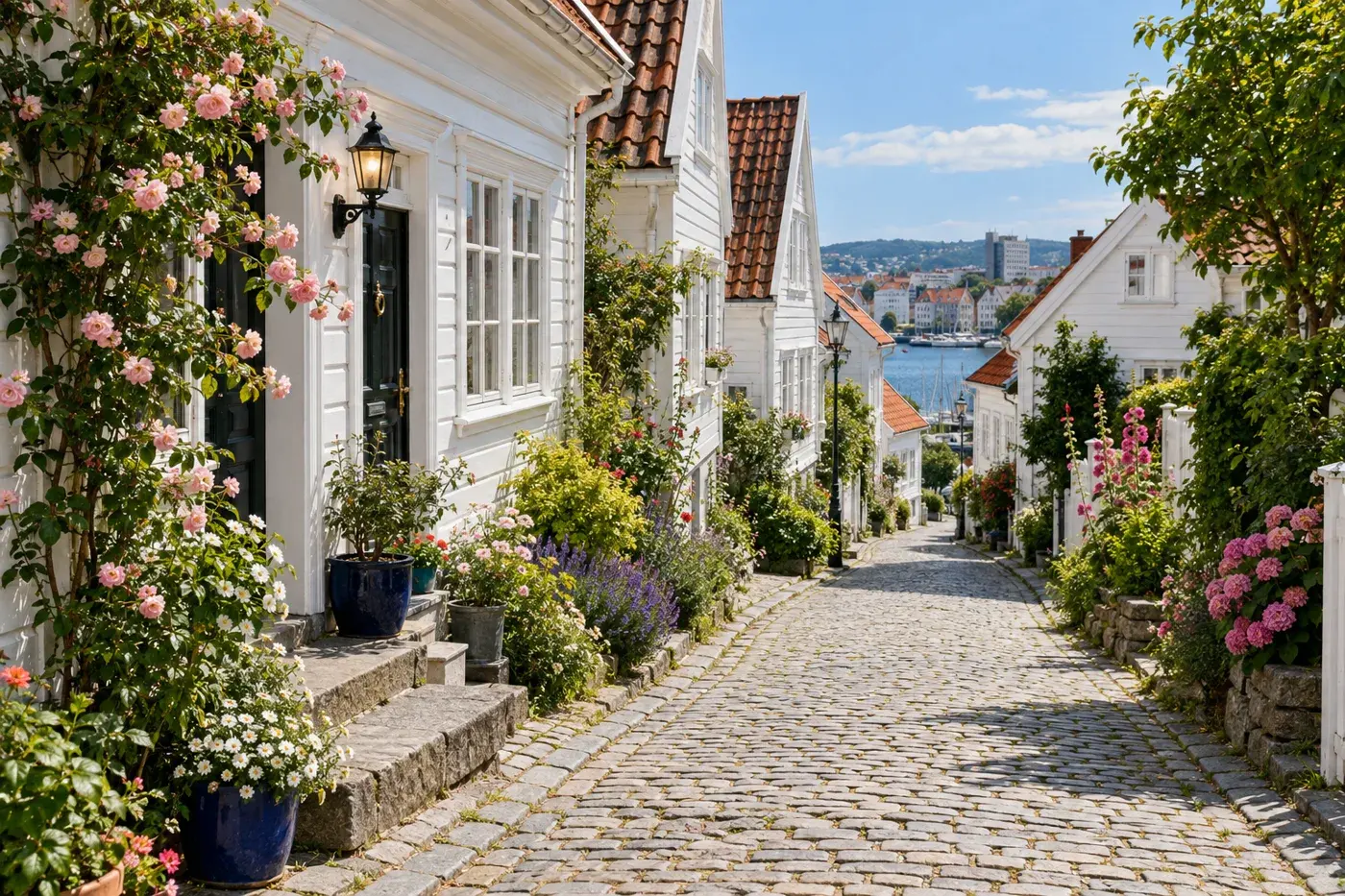
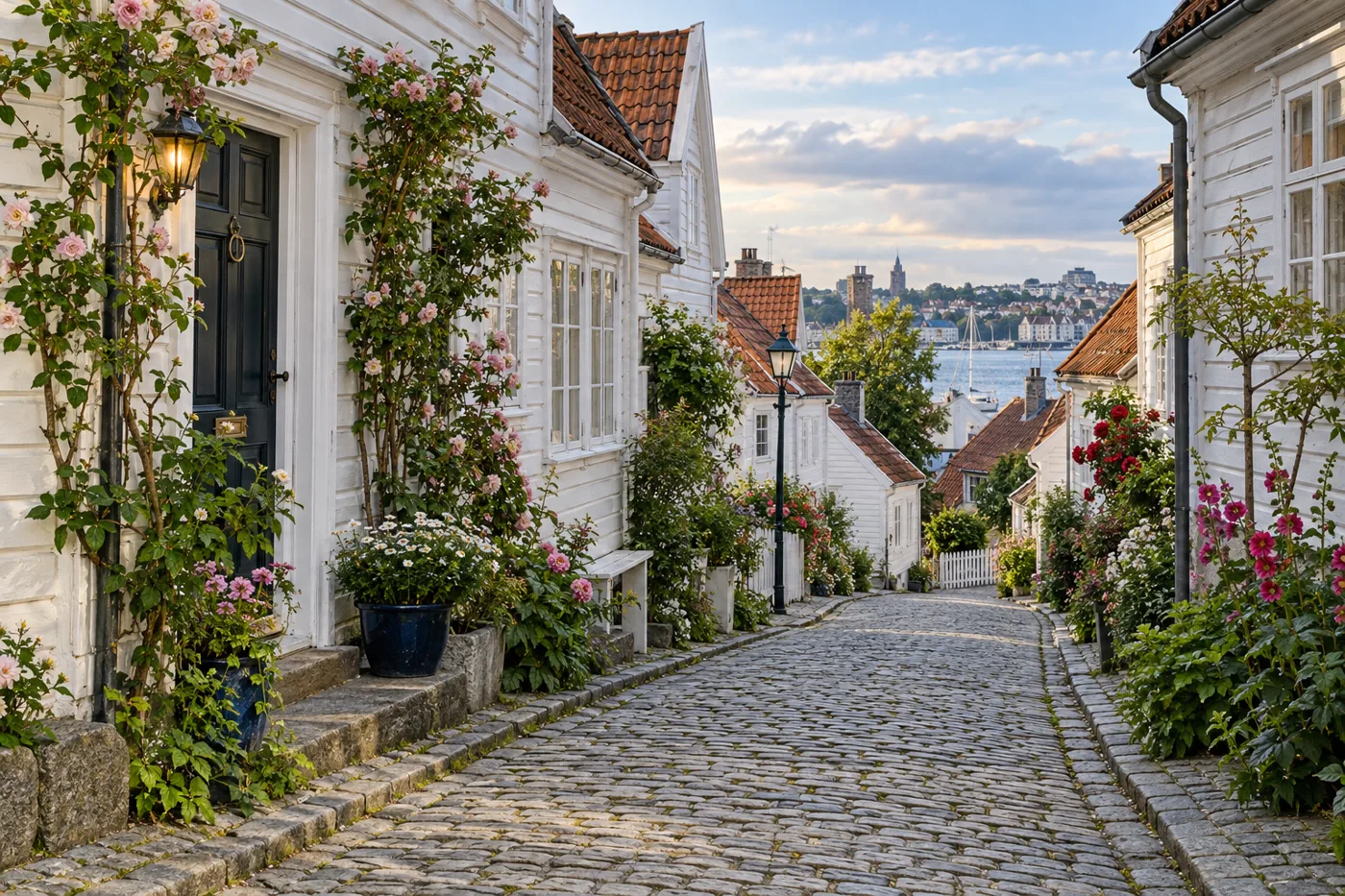
Gamle Stavanger occupies the slope west of the harbour, where closely packed timber houses form a historic residential neighbourhood. Its appeal lies in the scale of the lanes and their relationship with the port. It is an excellent first stop for understanding the city before its modern petroleum economy.
Take a short loop through the public streets, keeping doorways clear and avoiding photographs through private windows. Flowerpots, gates and steps belong to residents rather than a museum set. The cobbles and gradients are less convenient with luggage, so visit after checking into accommodation. The nearby canning museum adds useful working-history context.
Allow one to two hours. Public streets are free to explore, while museums charge separately and have fixed hours. Daylight gives better footing and easier photography. Visit before organised groups fill the narrow lanes if possible, then continue toward Vågen; there is no reason to drive between the central harbour and this neighbourhood.
Best for: historic timber streets.
2. Norwegian Petroleum Museum

The Norwegian Petroleum Museum examines an industry that changed Stavanger and Norway. The harbour setting and offshore-related displays give engineering and working conditions a physical scale. It provides context for a city whose contemporary architecture and international business life can otherwise seem disconnected from its older timber streets.
Allow time for interpretation, rather than looking only at the building from outside. Families can choose interactive elements while adults interested in technology, energy and economic change follow the wider story. The visit is particularly useful when your trip combines urban Stavanger with scenery, because it explains another part of the region’s identity.
Budget around two hours. Admission is paid; consult the museum’s official website for current tickets, exhibition access and opening hours. It is a strong wet-weather choice within walking distance of the central harbour. Check closing time before assigning it the final hour after a lengthy cruise or mountain excursion.
Best for: energy and technology.
3. Stavanger Cathedral and Breiavatnet
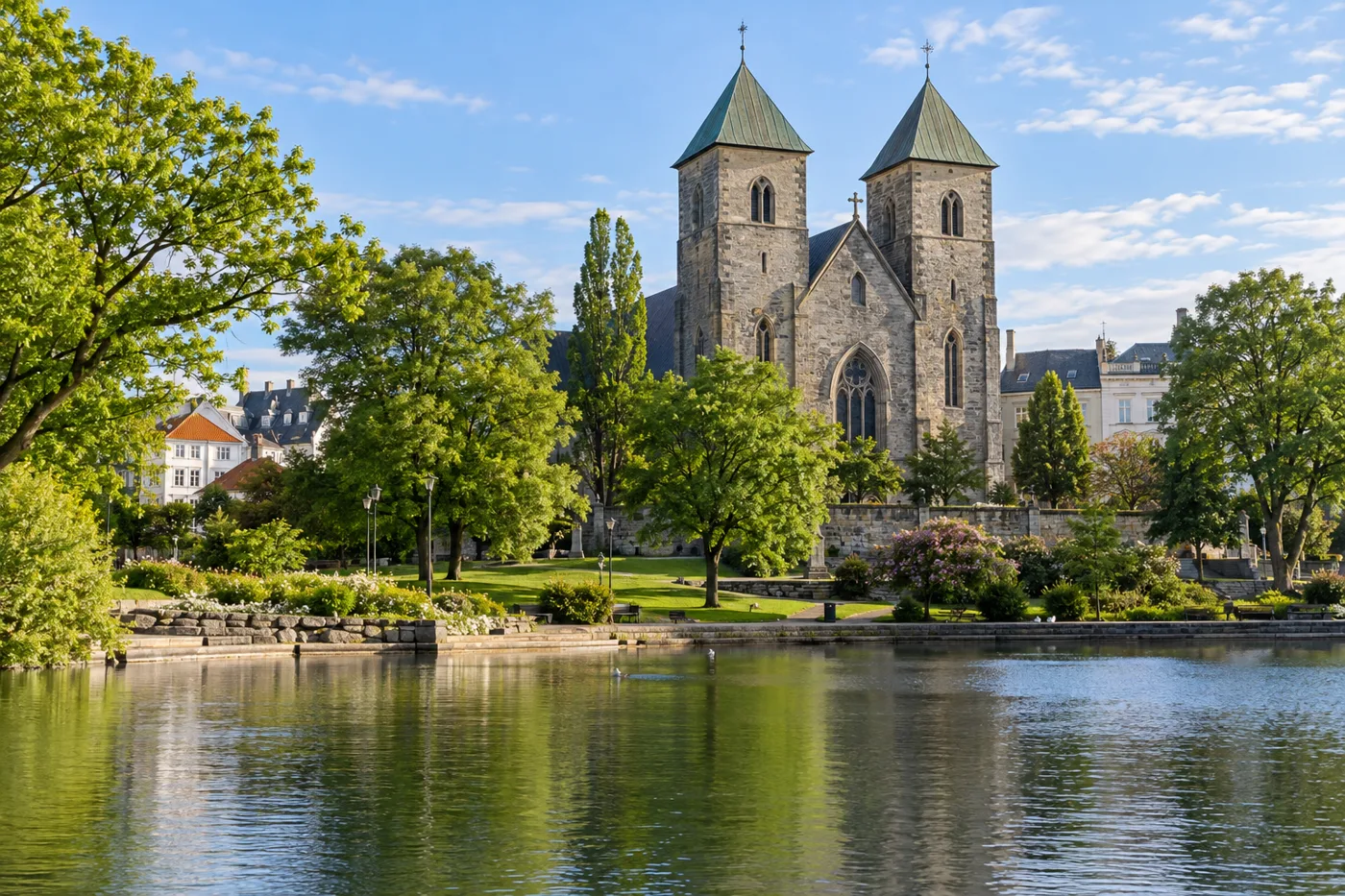
Stavanger Cathedral anchors the older city beside Breiavatnet and the pedestrian centre. Its medieval history adds depth to a destination frequently introduced through oil and hiking. The nearby railway and bus area makes this an easy arrival-day stop, with the lake providing a simple orientation walk.
Study the exterior before entering, allowing for services and events. A cathedral remains a place of worship rather than an unrestricted museum. A short lake circuit works well if you want fresh air after travelling, and the central position makes it easy to continue toward shopping streets or the waterfront without additional transport.
Allow 45–75 minutes plus the lake walk. Interior visitor arrangements, admission and opening windows may vary around church use; check the cathedral’s current official information. Do not rely on a guidebook’s old renovation or access notice. Combine this stop with Øvre Holmegate and the harbour for a compact city half-day.
Best for: medieval architecture.
4. Øvre Holmegate and central streets
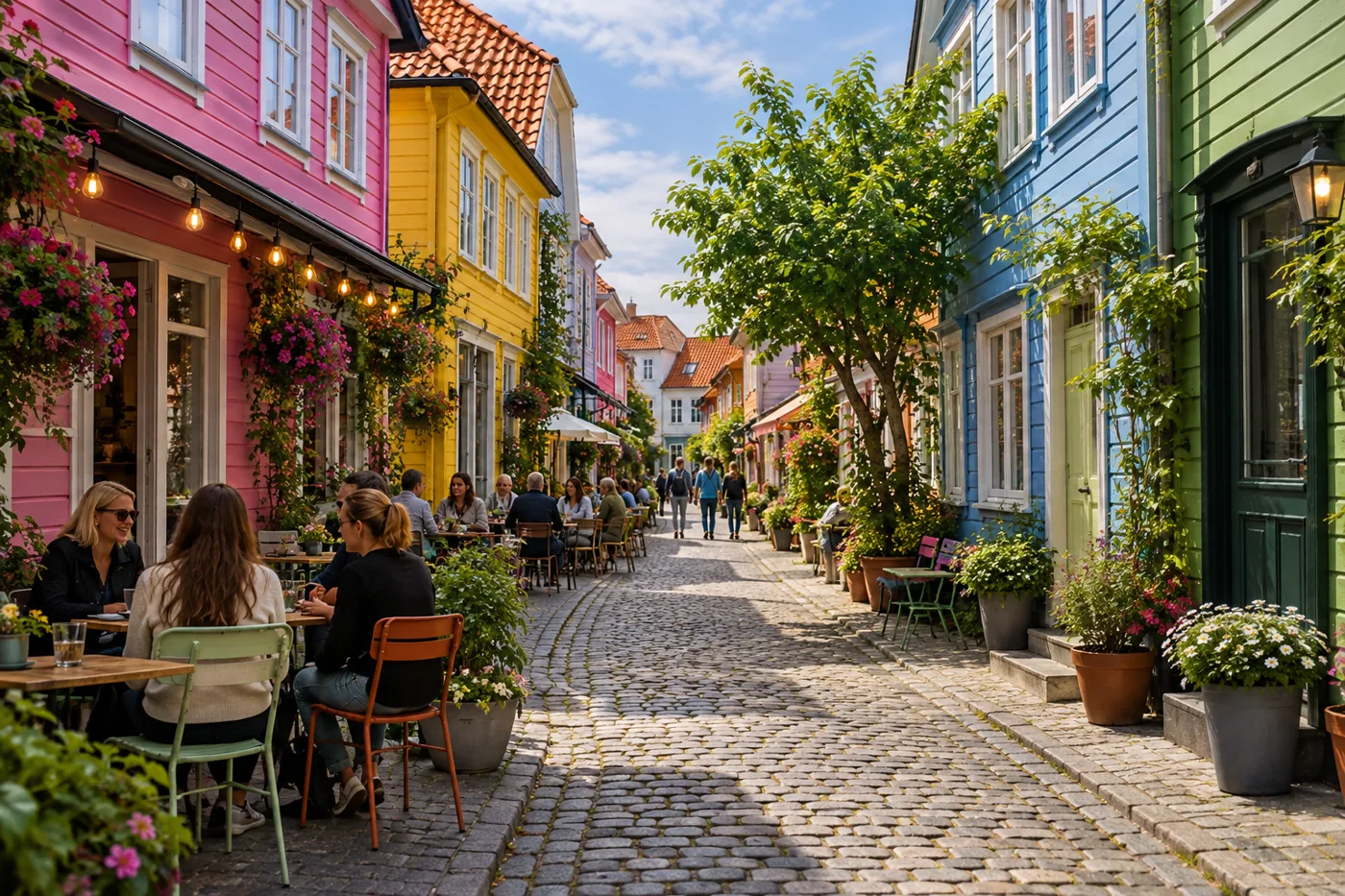
Book here with Viator → Guided city walk including Øvre Holmegate
Øvre Holmegate, often called Fargegaten, provides a colourful contrast to Gamle Stavanger’s white timber houses. The pedestrian street is a place for cafés and a short walk within the central district. It does not require a separate half-day, but adds variety to a harbour-focused route.
Look at the painted buildings, then follow the connecting streets rather than treating one photograph as the whole experience. A café break gives you time to enjoy the setting without blocking pavements. Shops, residents and deliveries still need access, so be mindful when stopping in a group or setting up photographs.
Allow 30–60 minutes, longer for a meal. The walk is free and individual businesses set their own prices and hours. Daylight suits architecture, while evening suits food and atmosphere. Confirm restaurant opening days before depending on one particular place, especially outside the main summer visitor season.
Best for: cafés and colour.
A guided walk through the colourful streets, local art and harbour provides historical context beyond an independent photo stop.
5. Lysefjord cruise
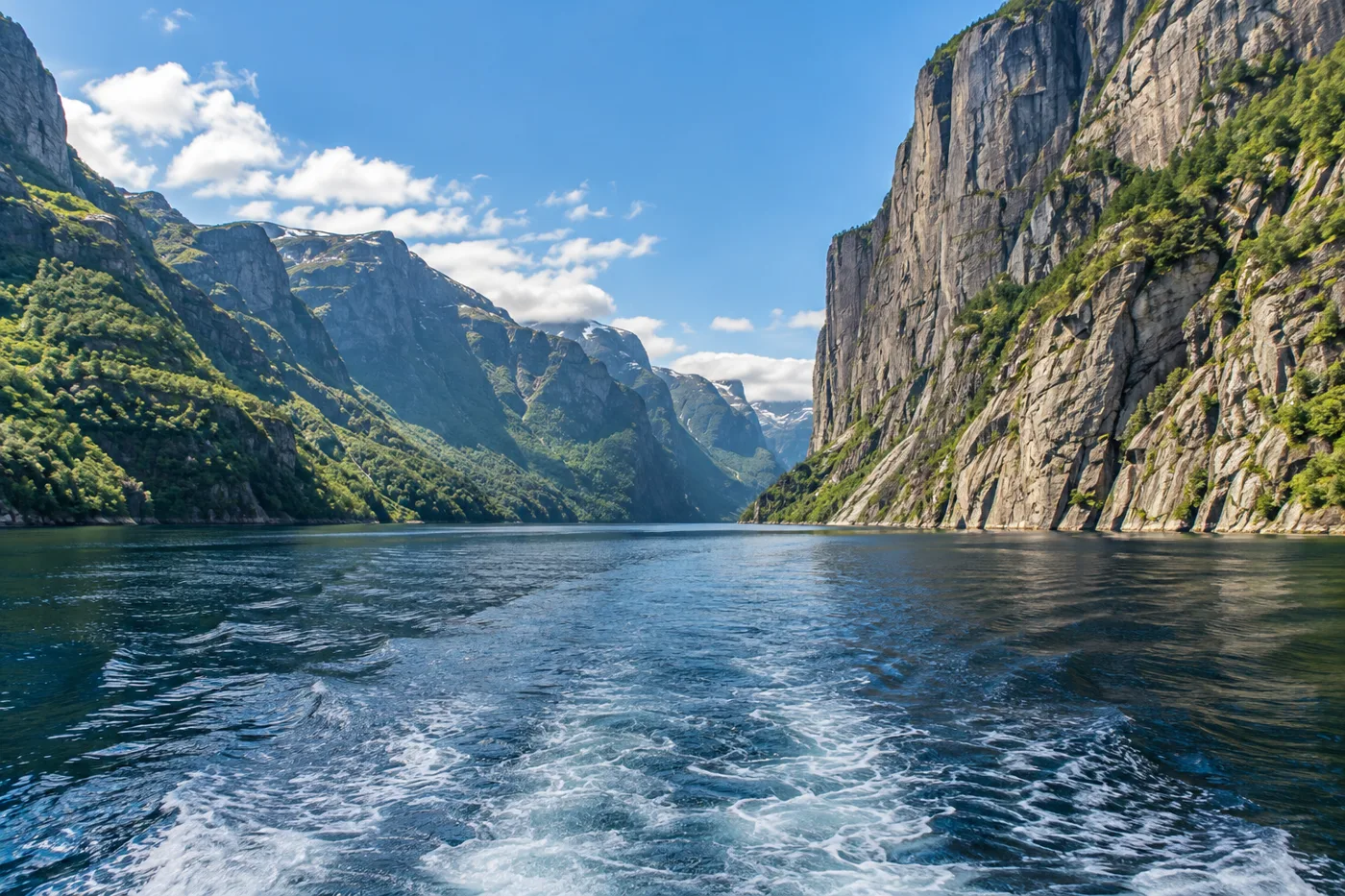
Book here with Viator → Lysefjord and Pulpit Rock cruise
Lysefjord offers steep fjord scenery without requiring the Preikestolen hike. Seeing the cliff from below is a different experience from standing on its plateau, but it removes the demanding trail and many transport complications. It is a useful choice for mixed-ability groups and travellers with limited time.
Compare the actual route and total duration before buying. Departure point, indoor seating, deck access and onboard food arrangements affect comfort as much as the photographs in an advertisement. Take warm waterproof layers for the deck. Low cloud can hide the higher cliffs even when the sailing itself can proceed.
Reserve roughly half a day for a city-return sightseeing cruise, checking the operator’s exact schedule. Tickets are paid and advance booking helps when dates are fixed. Read cancellation terms and arrive at the correct quay. Keep a buffer before flights or trains rather than treating a sightseeing sailing as a guaranteed transport connection.
Best for: fjord scenery without a hike.
6. Preikestolen day hike
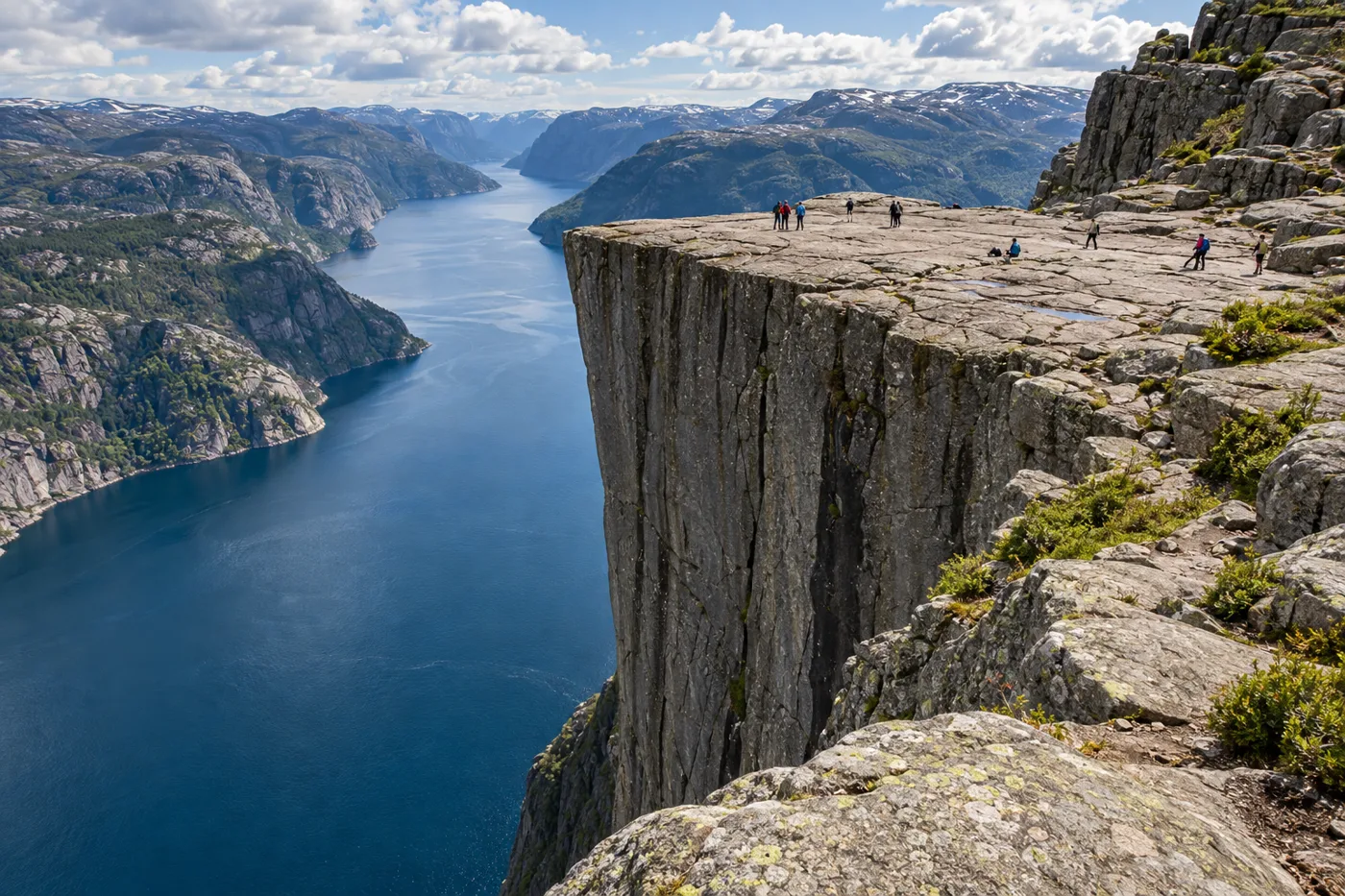
Book here with Viator → Guided hike to Pulpit Rock Preikestolen
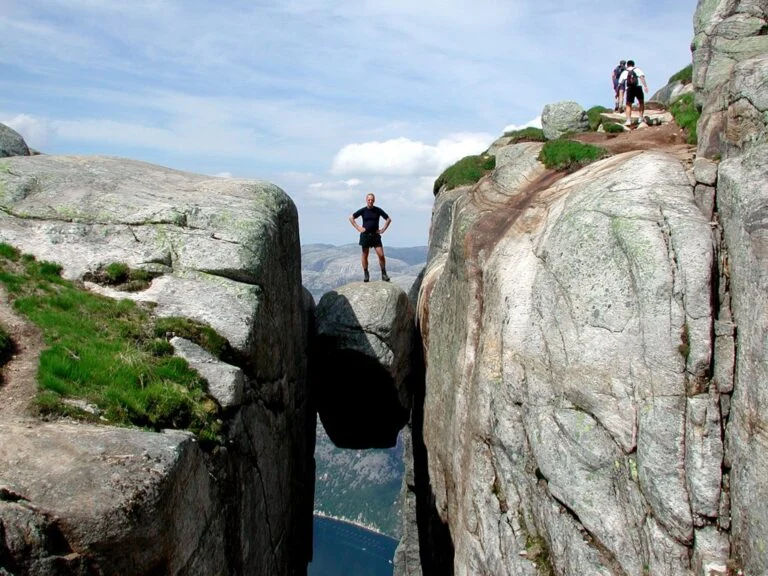
Preikestolen is a mountain hike to an unprotected cliff plateau above Lysefjord. It is not a short urban viewpoint walk, and fitting it into an arrival afternoon creates unnecessary pressure. Reserve a full day with flexibility for weather, transport and a slower return; the conditions matter more than a checklist.
The main return trail is approximately eight kilometres with uneven climbs and an overall ascent of about 500 metres. Allow at least four to five hours on the trail for a typical visit, more with breaks and slower walking. Keep away from edges and never let the desire for a photograph determine where you stand.
Check current local trail advice and book suitable transport from Stavanger. Commercial trailhead buses have operating calendars; the walk has no entrance ticket but parking, transfers and guides cost extra. Snow, ice, wind and short daylight change the challenge. From November to April, inexperienced visitors should choose qualified guided arrangements or a different activity.
Best for: prepared mountain hikers.
7. Sverd i fjell at Hafrsfjord
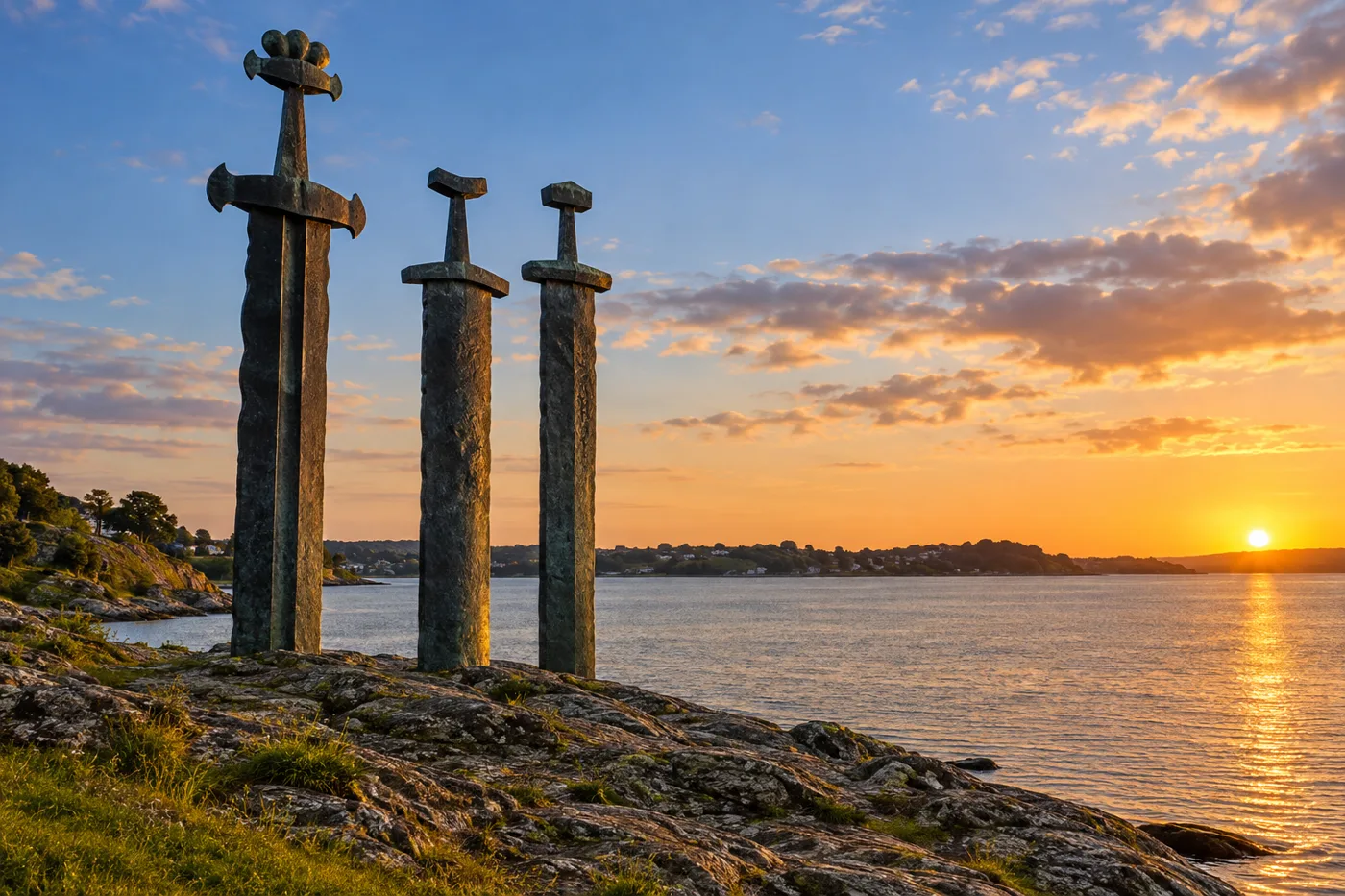
Book here with Viator → Private cycle tour to Sverd i fjell
Sverd i fjell places three monumental swords beside Hafrsfjord to commemorate the battle traditionally associated with Norway’s unification. Its open coastal setting gives an outdoor history stop a clear regional identity. It is useful for visitors wanting a short excursion without committing to a lengthy hike or another museum.
Approach from the public paths and look across the fjord as well as at the sculpture. The setting matters more than obtaining a tightly cropped image of the swords. Wind and wet rock demand care, so remain on secure ground rather than searching for a precarious waterfront angle.
Allow 30–60 minutes at the monument plus transport. Outdoor access is free. Use Kolumbus to check the local bus and final approach, or include it in a sensible driving route toward the coast. A dedicated taxi for a brief photograph may be poor value compared with a longer combined outing.
Best for: outdoor history.
For a guided alternative to the bus journey, a private cycle tour can combine the monument with other Stavanger sights. Check the route length and whether you are comfortable riding in local conditions.
8. Jæren beaches
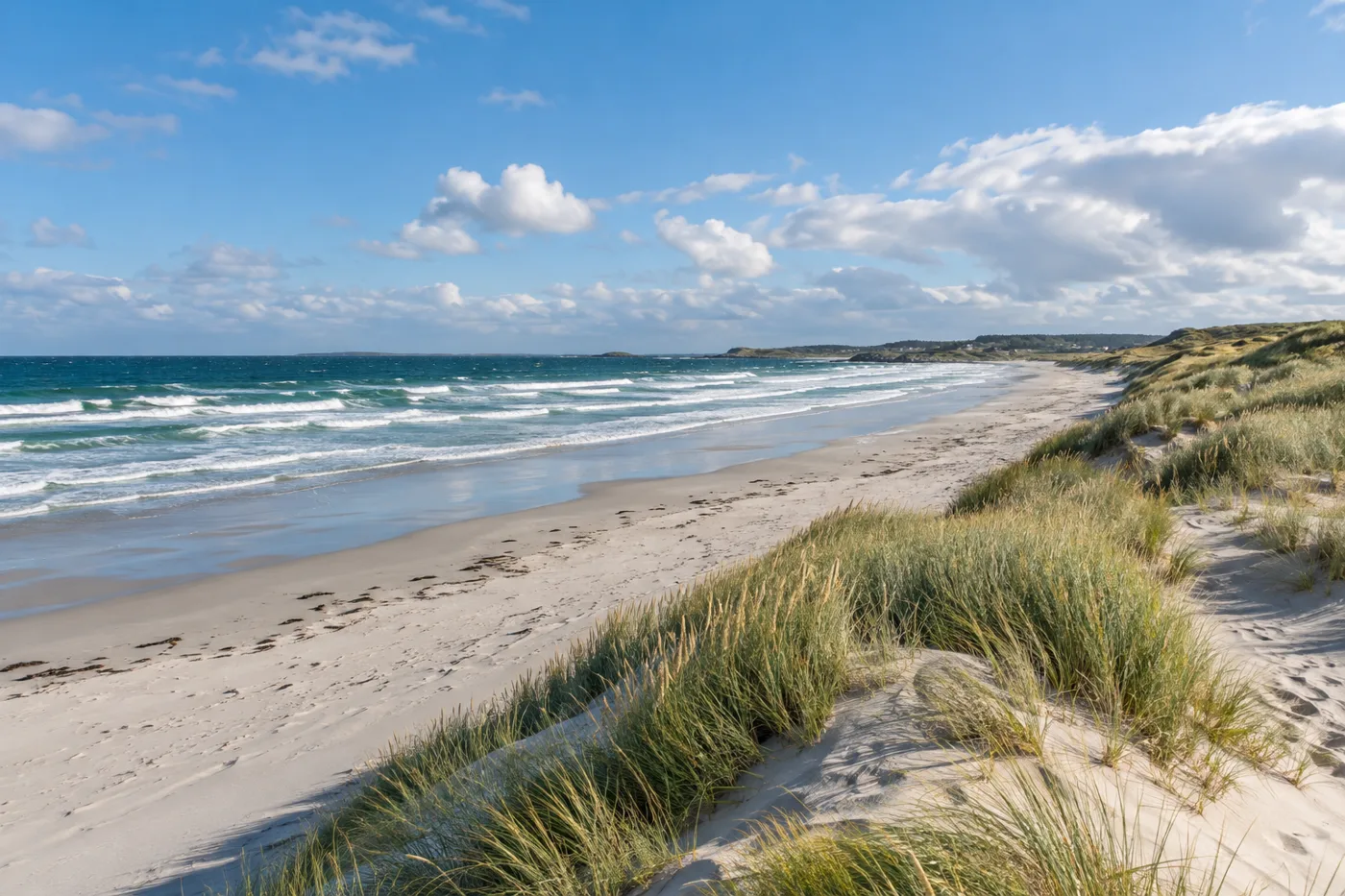
Jæren adds open sea, dunes and agricultural landscapes to a Stavanger visit. It is a very different environment from the sheltered harbour and Lysefjord cliffs. Solastranden makes a practical introduction, while more extensive coastal exploring needs additional time and a realistic transport plan.
Choose one beach and enjoy a walk appropriate to the forecast. Wind and surf can be powerful, and a calm-looking scene does not guarantee safe swimming. Respect nesting areas, dune vegetation and farmland. A slow visit to one accessible stretch is more satisfying than racing between remote beaches merely to collect photographs.
Allow half a day including transport and a meal or picnic. Beach access is generally free, although parking arrangements vary. Public transport does not serve every access point directly; verify the final walking distance. In rough weather stay away from breaking waves and choose a city museum instead of insisting on a coastal walk.
Best for: open coastal walking.
9. Norwegian Canning Museum at IDDIS
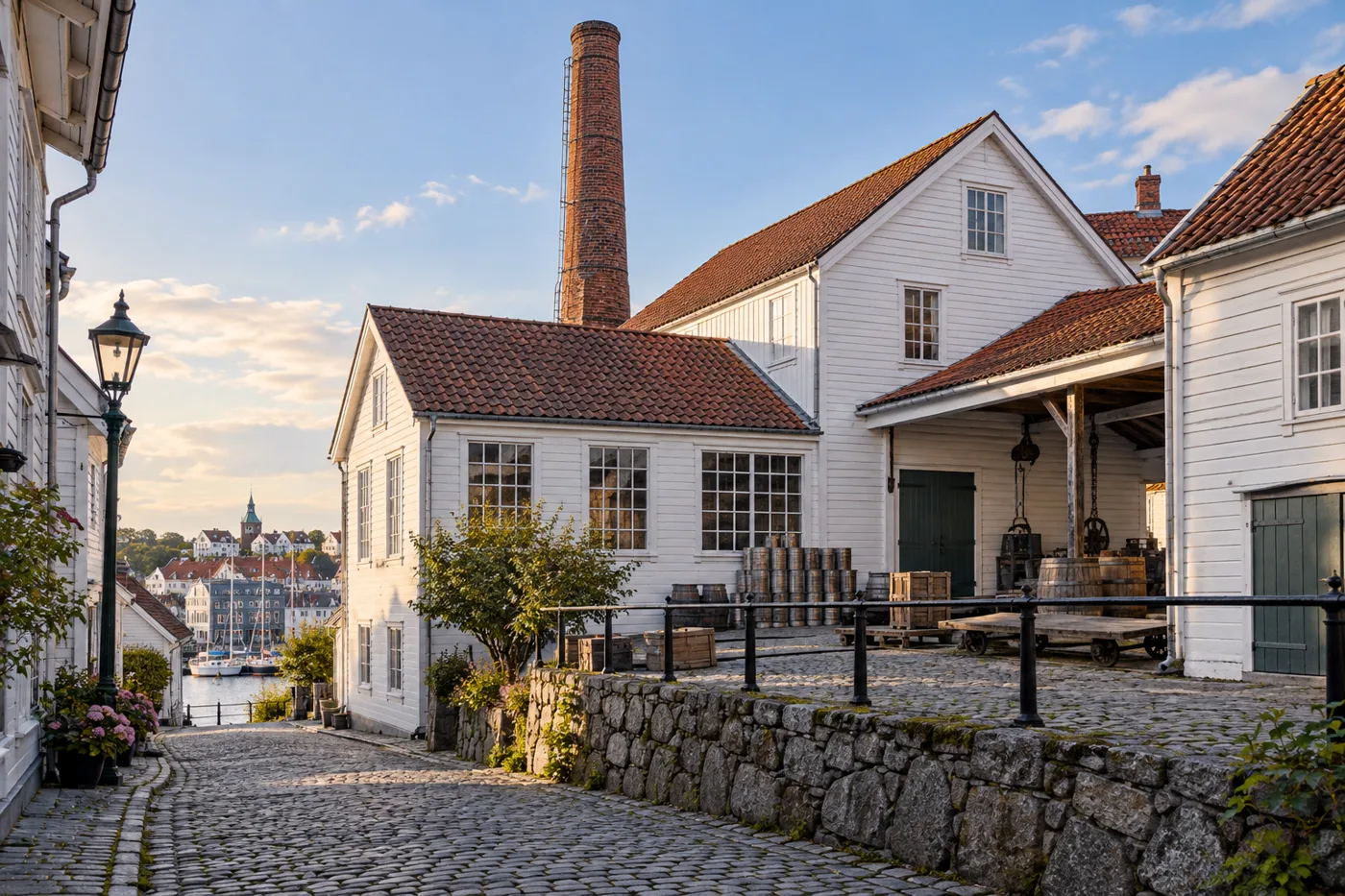
The canning story explains Stavanger before the petroleum era through preserving, packaging and exporting fish. At IDDIS it sits alongside printing history, revealing the industries and ordinary work behind today’s visitor city. The Gamle Stavanger location means you can add it without complicated cross-city travel.
Follow the production process and notice how labels connected local factories with distant markets. Demonstrations, when scheduled, add another dimension to the equipment. Families may find the working-life story more accessible than an additional formal art collection, but the programme varies; do not assume every visit includes a live demonstration.
Allow 90 minutes to two hours. Admission and events are listed by IDDIS and Museum Stavanger. At the 21 October 2026 check, regular hours are Tuesday–Sunday 11:00–16:00, with Monday closure; verify holiday changes. Pair it with Gamle Stavanger and a harbour lunch rather than leaving it to a rushed closing-time visit.
Best for: working-life history.
10. Flor og Fjære garden excursion

Flor og Fjære is an organised garden excursion on Sør-Hidle island, offering cultivated planting in contrast to the region’s rocky coast. It is a seasonal booked visit, not a public park you can enter whenever you arrive. That distinction matters when deciding whether to include it in a short Stavanger stay.
Read what the actual package includes: boat transport, guided garden access and food shape both the experience and price. Garden enthusiasts can focus on planting and design, while other travellers should consider whether the organised format suits their interests. It provides a different day from a wild coastal walk rather than replacing one directly.
Allow the full operator-specified excursion block and book for your date. Prices vary by package and season; confirm accessibility, dietary requirements and cancellation terms. At the 21 October 2026 check, the operator advertises reopening on 8 May 2027. It is therefore not an autumn or winter 2026 option, and should be replaced in those itineraries.
Best for: seasonal garden visits.
Stavanger itinerary: one, two or three days
One day in Stavanger: harbour and city history
Morning, 09:00–12:00: begin with the lanes of Gamle Stavanger, then choose IDDIS when it opens or continue to the Norwegian Petroleum Museum. Each gives a different industrial history. Take a short harbour walk between stops instead of attempting both complete collections before lunch.
Afternoon, 12:00–17:00: cross the centre for lunch, Øvre Holmegate and the cathedral beside Breiavatnet. Fit the museum or cathedral interior around its actual opening. Walking works well between these central areas; a rental car gives little advantage and introduces parking decisions.
Evening: compare restaurant menus around the harbour or central lanes before choosing dinner. In winter, schedule the outdoor residential streets early and leave the museum for later. Cruise passengers should work backward from return-to-ship time rather than assuming a short port call allows the whole regional list.
Two days in Stavanger: add Lysefjord
Day two morning: take a prebooked Lysefjord cruise, allowing the operator’s complete journey block and early arrival at the right quay. If your sailing departs in the afternoon, reverse the order of the activities. Check covered seating and dress for the outside deck even when the city feels mild.
Afternoon, roughly 14:00–17:00 when the sailing permits: visit the museum omitted on day one or take a local outing to Sverd i fjell. Include bus waiting and the return in your time allowance. A rushed drive to several beaches after a long sailing usually adds fatigue rather than insight.
Evening: stay in the city and review the forecast if hiking is planned next. A cancelled cruise can become a deliberate museum day with lunch and short central walks. It does not mean that mountain conditions are safe; do not replace disruption with an improvised exposed hike.
Three days in Stavanger: a full hiking or coastal day
Morning, approximately 07:00–09:00 departure depending on transport and daylight: travel to the Preikestolen trailhead with suitable footwear, waterproofs, food and water. Keep the entire day available for the walk and transfers. Use the actual booked departure and current advice rather than a copied summer timetable.
Afternoon: return with a margin for a slower descent and the final bus. If hiking conditions are unsuitable, choose a safe Jæren beach visit or a city alternative. Flor og Fjære can replace the day during its operating season, but needs advance booking; the operator currently advertises reopening on 8 May 2027.
Evening: keep dinner flexible after the hike and avoid a tight onward flight or train. Kjerag is not a second activity to attach to the afternoon. In winter, inexperienced visitors should select a qualified guided programme or a different day rather than following the summer hike unchanged.
Planning the best things to do in Stavanger
Stay centrally for a city-focused break and arrange excursion transport separately. Kolumbus helps with local buses, while commercial trailhead transfers and sightseeing boats need their own tickets. A rental car helps some coastal routes but is unnecessary for the cathedral, Gamle Stavanger and harbour museums.
Book accommodation and the major fixed-date excursion first, keeping the remaining city activities movable around the forecast. Compare the full cost of a cruise, hike or garden outing, including transfers, parking and meals. A lower headline price is not necessarily the cheaper complete day.
Wet rock, strong wind and reduced daylight can transform a famous hike. Check current local advice, carry spare layers and turn back before timing or conditions deteriorate. Stavanger has long summer evenings without midnight sun. A bright summer photograph is not evidence that your later-season departure time is safe.
Separate accommodation, meals, local transport and paid excursions when budgeting. Restaurant dining and repeated admissions make Norway expensive; supermarket lunches and free walks help balance a few paid priorities. Room prices change considerably by date and availability, so compare your actual dates rather than relying on a fixed daily hotel estimate.
Keep weather-sensitive outings separate from transport that cannot move. Check official opening times, current ticket prices, ferry timetables and cancellation terms again shortly before visiting. Leave a margin between excursions and onward travel. The sources below support planning, but a dated guide cannot replace an operator’s live closure notice.
Stavanger travel guide: frequently asked questions
Is Stavanger worth visiting?
Yes if you want a compact historic city combined with Lysefjord, coastal scenery or a planned Preikestolen hike. It rewards time for the region as well as the harbour; a very short stay should focus on the city rather than rushing several excursions.
How many days do you need in Stavanger?
Allow two full days for city sights and a fjord cruise. A third creates a separate hiking or coastal day and makes changes for weather easier. Preikestolen should not be squeezed into a short arrival afternoon.
What is the best season for Stavanger?
Late spring to early autumn gives the widest outdoor choice and longer daylight. Hiking conditions still vary. Winter suits museums, central streets and suitable guided outings; the seasonal gardens and some transfers do not operate all year.
Can I visit without a car?
Yes for central Stavanger, with local buses for some nearby stops and separately booked transport for excursions. Verify commercial trailhead bus calendars and cruise departures rather than assuming a standard public transport ticket covers them.
Is Preikestolen free and how much does the trip cost?
The trail has no entrance ticket, but reaching it can involve paid transport, parking or a guide. The overall cost depends on your arrangements and season. Compare those complete costs, and choose equipment and advice based on conditions rather than the cheapest transfer.
What needs advance booking and what if the weather is bad?
Book a fixed-date cruise, garden excursion or trailhead transfer. Use city museums in unsuitable mountain weather and check cancellation terms before paying. Flor og Fjære is seasonal; its advertised next opening is 8 May 2027, so it is not an autumn 2026 fallback.
Where to go next in Norway
Choose a connected next stop and allow separate travel time between regions. These guides explain what each destination needs.
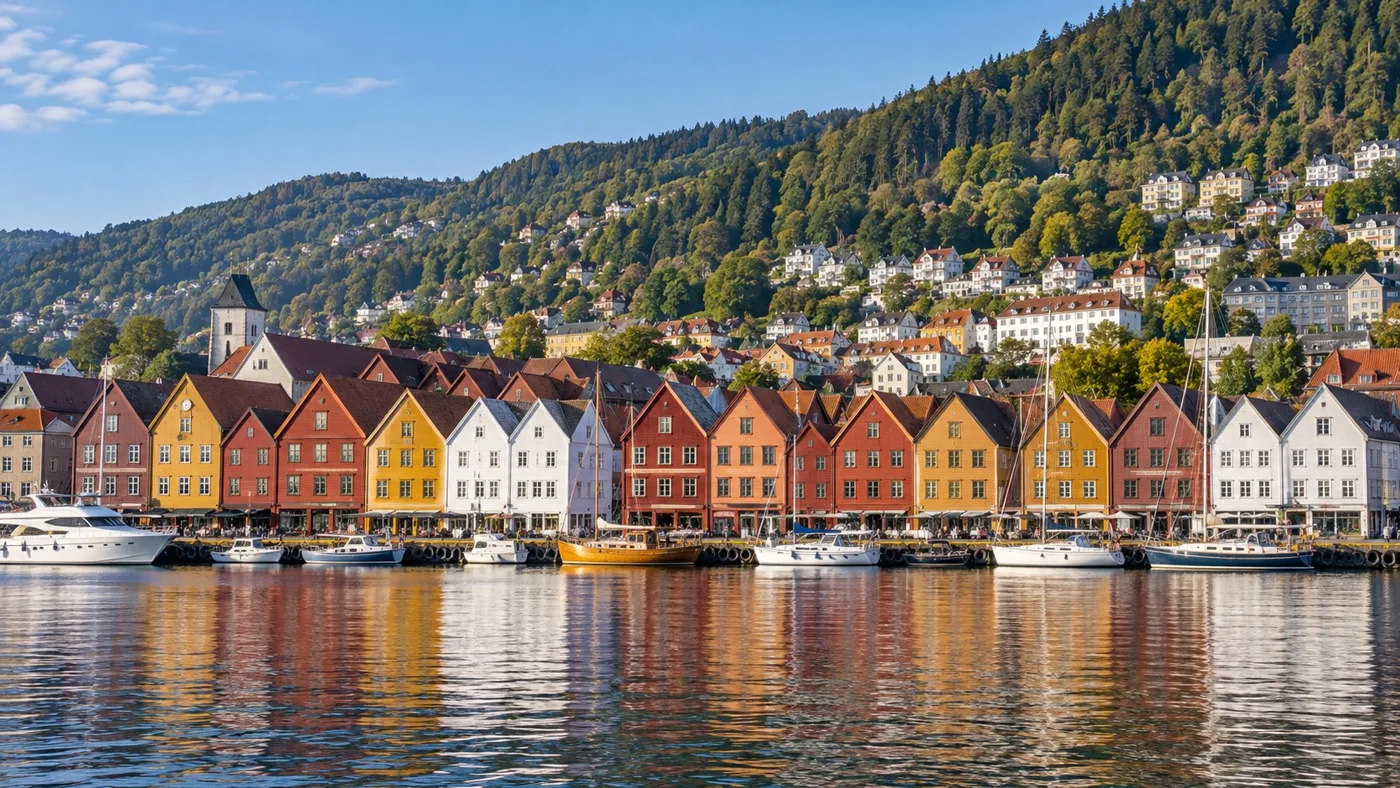 10 Best Things to Do in Bergen: A Practical City Guide
 10 Best Things to Do in Oslo: A Practical Travel Guide
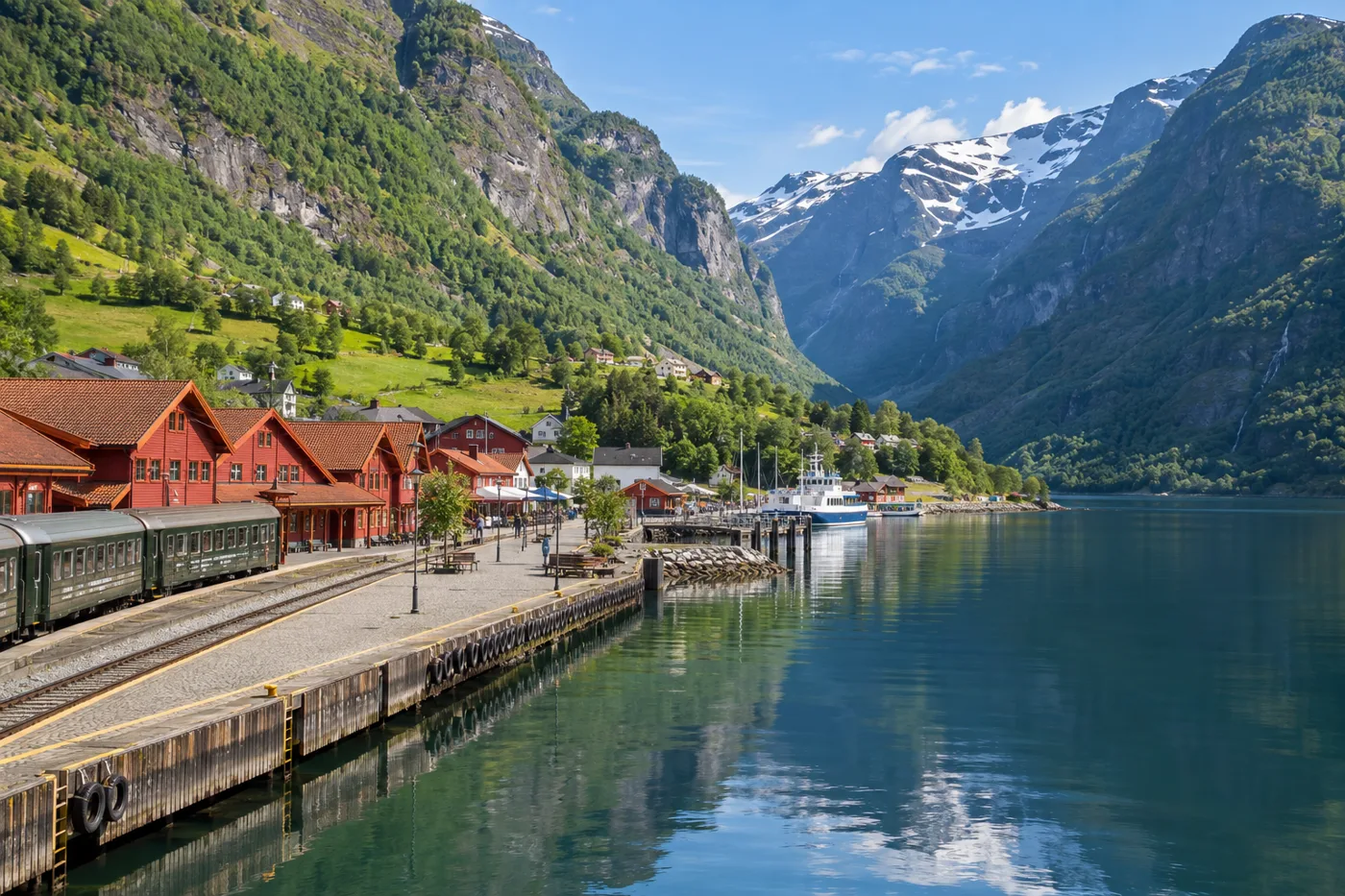 10 Best Things to Do in Flåm: Railway, Fjords and Walks
 10 Best Things to Do in Ålesund: A Practical Travel Guide
Planning your visit to Stavanger
Build your Stavanger visit around a few priorities, keeping nearby places together and allowing weather to change their order. Give the main museums enough time and reserve a separate block for a substantial excursion. This produces a more useful trip than completing ten stops at speed. Our guides to Oslo, Bergen, Stavanger, Trondheim and the Norwegian fjords help you choose the next leg of your journey.
Official sources and practical checks
Official information was reviewed during preparation. Fares, hours, road access and departures can change. Check the operator for your dates before booking. Suggested visit durations are editorial planning allowances.
- Region Stavanger and Ryfylke official guide
- Norwegian Petroleum Museum
- IDDIS museum
- Kolumbus public transport
- Rødne fjord cruises
- Flor og Fjære
- Visit Norway Preikestolen planning
Links labelled as affiliate links may earn NorwayTop10 a commission on eligible bookings. Read our editorial policy and commercial disclosure.
Choose accommodation and plan Stavanger
Compare accommodation options alongside the places you want to visit. Check the journey to the property before reserving.
Plan experiences around your stay
These guides compare regional options and practical considerations. Check the actual departure point; a related guide is not a promise that every activity is available in this town.
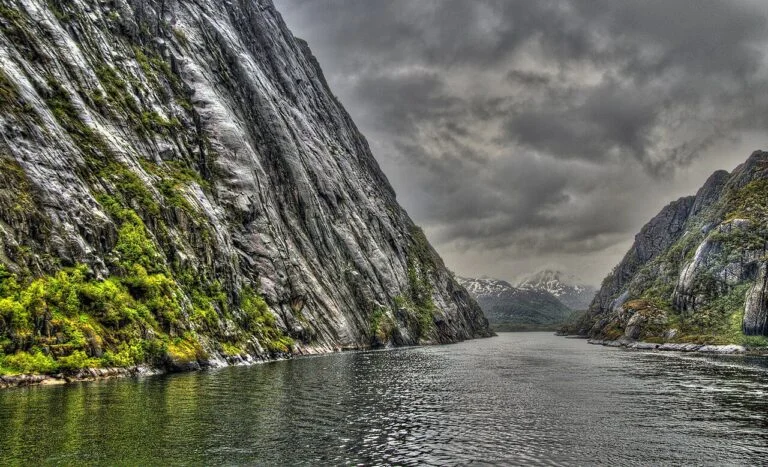
RIB Boat Safaris in Norway
Compare guided activities before booking
Use these tour comparisons to match your available time, meeting point and travel season with the right experience in this region:
Continue south along the coast
For visitors extending the coast route, lighthouse stays are a separate accommodation experience, with access and arrival constraints that need checking. If continuing towards the south coast, Kristiansand hotels suit an onward overnight rather than an out-and-back sightseeing trip from Stavanger.
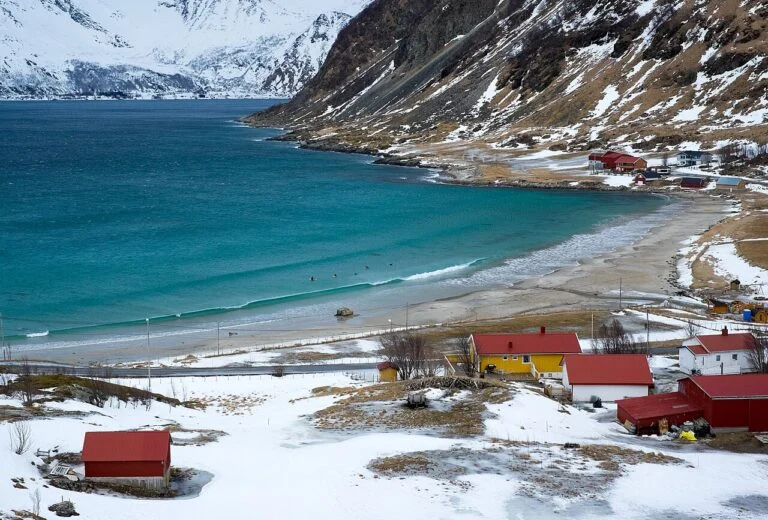
Cold-Water Surfing in Norway
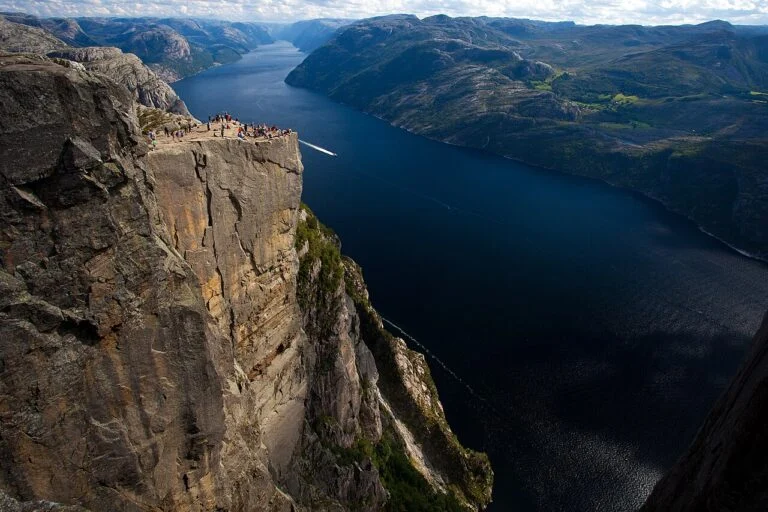
Preikestolen Hike: Pulpit Rock Guide