10 Best Things to Do in Flekkefjord: A Practical Guide
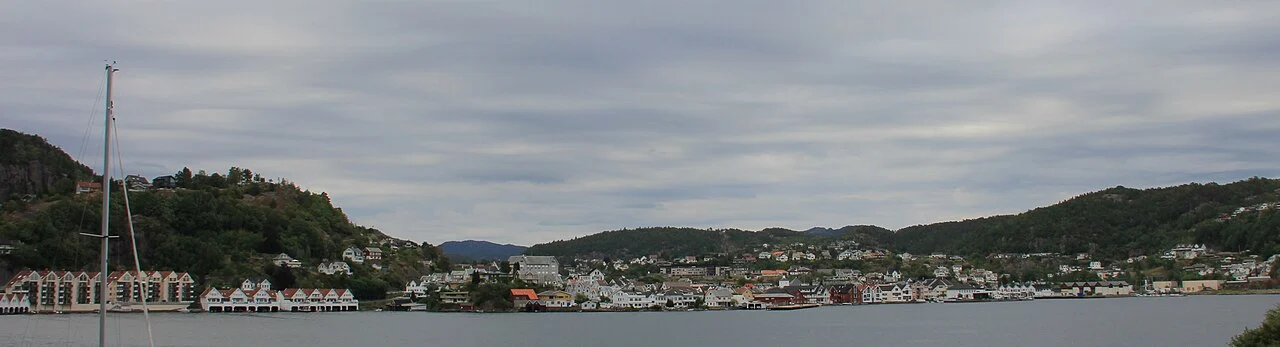
Flekkefjord brings together a compact wooden town, colourful street art and a rugged coastal hinterland. It works as a pause between southern and western Norway, but it also deserves a stay long enough to separate the town from its excursions. Hollenderbyen can be explored at walking pace, while rail biking, Hidra and the landscape around Åna-Sira each call for a different sort of planning. A good visit chooses among them instead of stacking every activity into a single day. Allow two full days for the centre and one substantial outing. A third day creates useful flexibility for a second excursion or a change in weather. The coast can be exposed even when the town feels sheltered. Some much-photographed hikes involve demanding terrain, and the Brufjell cave descent should never be mistaken for an ordinary family stroll. This guide includes gentler alternatives and distinguishes public streets, seasonal experiences and routes that need an honest assessment of ability. Timetables, tour places and museum openings should be checked for the actual date of your stay.
Flekkefjord: quick answers
- Worth visiting?
- Yes, for wooden streets, street art and coastal heritage.
- Time needed
- One day in town; two or three with a railway or coastal outing.
- Best time
- Warmer months offer more seasonal activities; check railway operations.
- Cost level
- Moderate to high; walks are free and booked rail activities cost extra.
- Getting around
- Walk centrally; arrange transport to outlying experiences.
- Top priorities
- Hollenderbyen, street art, Flekkefjord Museum.
How this list was selected: NorwayTop10’s editorial choices balance distinctive places, practical access and variety for a first visit. The order is a planning guide rather than a public vote. Outings beyond the destination are identified in their descriptions; ten entries do not mean ten stops in one day.
Compare the ten options
Times are editorial planning allowances, not operator schedules. Add travel and waiting time unless the row explicitly describes a whole outing. For guided experiences, use the confirmed booking duration. See each description for terrain and seasonal restrictions.
| Place or activity | Access to plan | Time to allow |
|---|---|---|
| Hollenderbyen wooden streets | Central streets on foot | 45–60 min |
| The street-art trail | Central streets on foot | 45–60 min |
| Flekkefjord Museum | Town visit on foot | 1–1½ hr |
| Rail biking on Flekkefjordbanen | Book with the railway operator | Use the booked excursion duration |
| Grønnes waterfront and recreation area | Local walk or short transfer | 1–2 hr |
| Hidra’s Kirkehamn and Rasvåg | Ferry and onward island transport | Half-day or full day |
| Hågåsen on Hidra | Reach Hidra first, then walk | Dedicated walk using the official route time |
| Åna-Sira village and its landscape | Road excursion | Half-day |
| Brufjell scenery for appropriately prepared hikers | Road approach and rugged trail | Dedicated hike using the official route time |
| A guided coastal paddling or boat experience | Operator meeting point | Use the booked excursion duration |
Bookings through Viator may earn us a commission.
1. Hollenderbyen wooden streets
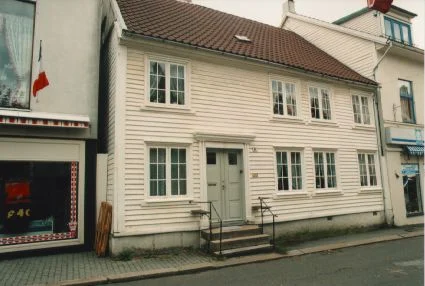
Hollenderbyen is the natural introduction to Flekkefjord’s older townscape. Narrow streets and closely spaced wooden houses make the area rewarding at a slower walking pace. Its name reflects the town’s historical connections with the Netherlands, but you do not need to know every trading story to appreciate how the houses and lanes fit together.
Begin here before moving to the waterfront or the museum. Choose a compact route, pause to observe details and leave room for a café if one suits your plans. A guided walk can provide more historical context when offered; an independent visitor can still enjoy the neighbourhood without a fixed itinerary or timed admission.
This is a living residential and commercial area. Keep doorways clear, stay out of private gardens and avoid photographing through windows. Do not attach an exact age or story to every facade without reliable interpretation. Quiet streets outside summer can be part of the experience rather than a sign that the visit has failed.
2. The street-art trail
Flekkefjord’s street art adds an unexpected layer to its wooden-town setting. The murals encourage looking around corners and revisiting streets that might otherwise receive only a quick walk. This is a different reason to explore from architectural sightseeing: the artworks bring contemporary voices into a place often introduced through older buildings.
Obtain the current local art information and build a route around the works you most want to see. Combine it with Hollenderbyen rather than making two nearly identical full circuits. Give yourself time to look closely, but check where you are standing so you do not obstruct a pavement or step backward into traffic.
Public art can change, and a picture in an older guide does not guarantee that the same wall remains unchanged. Regard discoveries along the route as part of the attraction. Respect the distinction between publicly visible work and private indoor galleries; seeing an open door is not necessarily permission to enter a workshop or courtyard.
3. Flekkefjord Museum
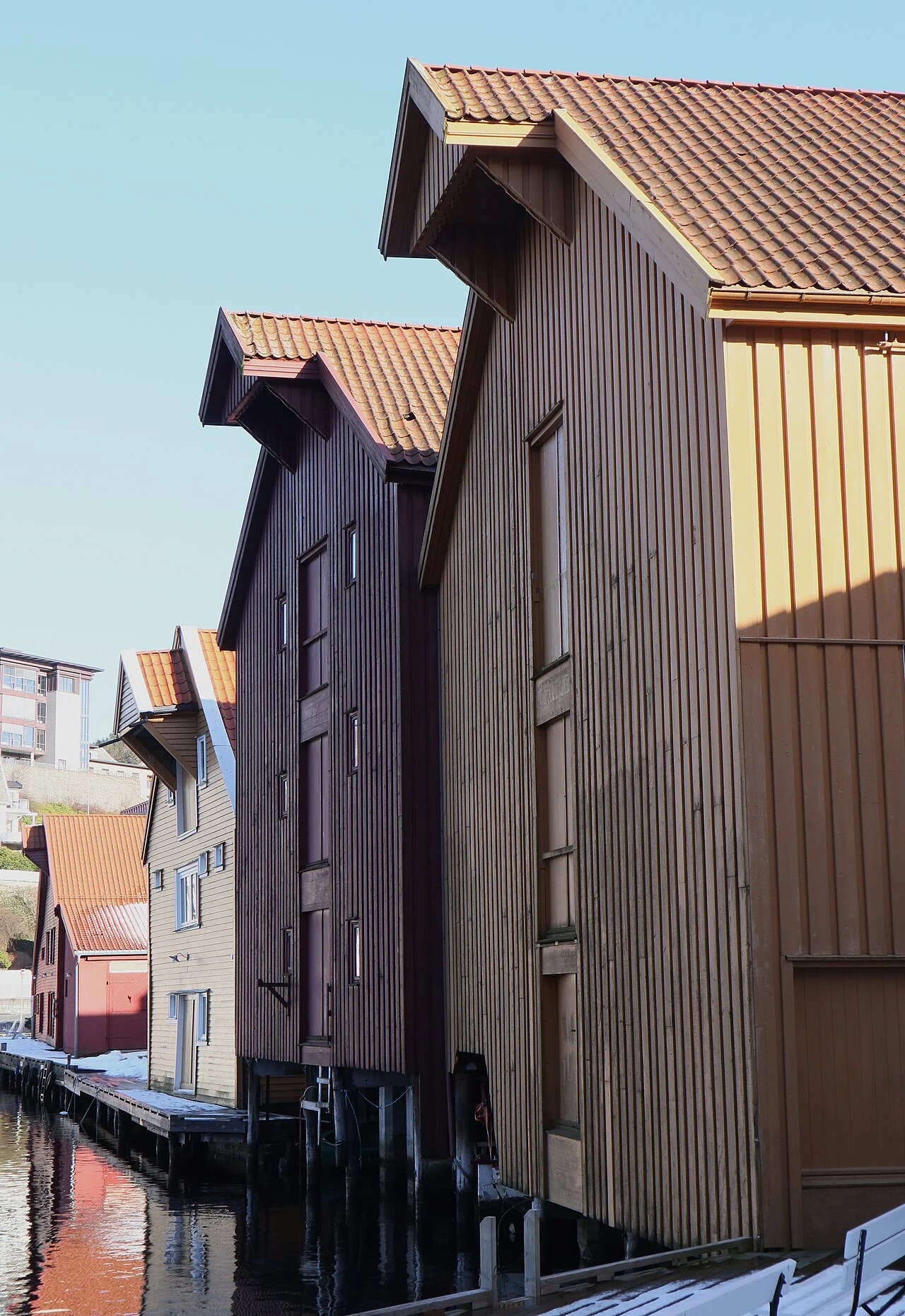
Flekkefjord Museum gives context to the town beyond its appealing facades. Its historic merchant-house setting and local collections connect the streets with the people and activities that shaped them. It is a good main indoor choice for visitors who want to understand the place rather than simply collect a sequence of waterfront photographs.
Check current exhibition and public opening information with Vest-Agder Museum before planning your route. Pair it with Hollenderbyen and the harbour so the interior and exterior visits support one another. Allow enough time to read the material and ask questions if staff are available, instead of arriving immediately before another booked activity.
Summer openings, special events and group arrangements may differ. Outside the main season, confirm access rather than assuming the presence of the museum guarantees daily drop-in admission. Visitors with mobility requirements should consult the operator about historic spaces. A local museum is not a promise that every regional attraction or exhibition is represented under one roof.
4. Rail biking on Flekkefjordbanen
Verified 2027 programme: The railway operator advertises rail-bike departures from 15 April to 17 October 2027, with several daily departures during 19 June–15 August and a typical visit duration of about 3½ hours. Meet at the old railway station and check the booking calendar for your exact date. Official railway booking information.
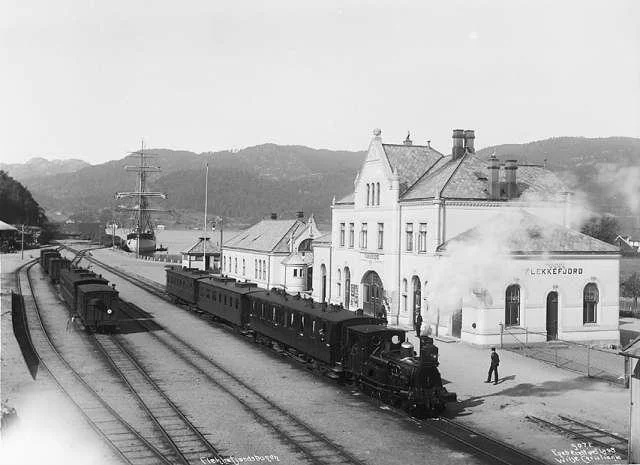
Rail biking offers a distinctive way to experience the old Flekkefjord railway corridor. Instead of riding a normal train, visitors use purpose-built rail bikes under the operator’s arrangements. The experience combines the line itself with the landscape along it and makes a useful main activity for travellers seeking something different from town walking.
Book through the current operator and check the permitted route, departure arrangement and expected duration. Review requirements for children, footwear and any equipment before arriving. Treat the outing as a substantial block with time for preparation and recovery; it should not be hidden inside the margin between lunch and a ferry.
Do not assume that a historic railway experience is passive or suitable for every visitor. Ask about physical effort and access if those matters affect your group. Weather can influence comfort even when an activity runs. Follow the operator’s instructions on tunnels, other users and equipment rather than improvising a route along the track.
5. Grønnes waterfront and recreation area
Grønnes gives a Flekkefjord stay an accessible-feeling coastal pause outside the shopping streets. It can work for a walk, sitting beside the water or a suitable-weather swim, depending on the facilities and conditions you find. The appeal is a slower period by the fjord rather than an obligation to book another major excursion.
Check the local approach and choose the activity to match your group. A short visit can follow the museum or rail biking, but leave enough time to relax rather than rushing through the stop. Bring food or a drink if needed instead of assuming every nearby service will be operating at the same moment.
Sea bathing and any sauna service require separate checks. Do not infer safe water conditions from the popularity of a location, and supervise children beside the shore. Follow signs and local notices. If wind or rain makes lingering unpleasant, shorten the visit and return to the town without trying to force a summer-style afternoon.
6. Hidra’s Kirkehamn and Rasvåg
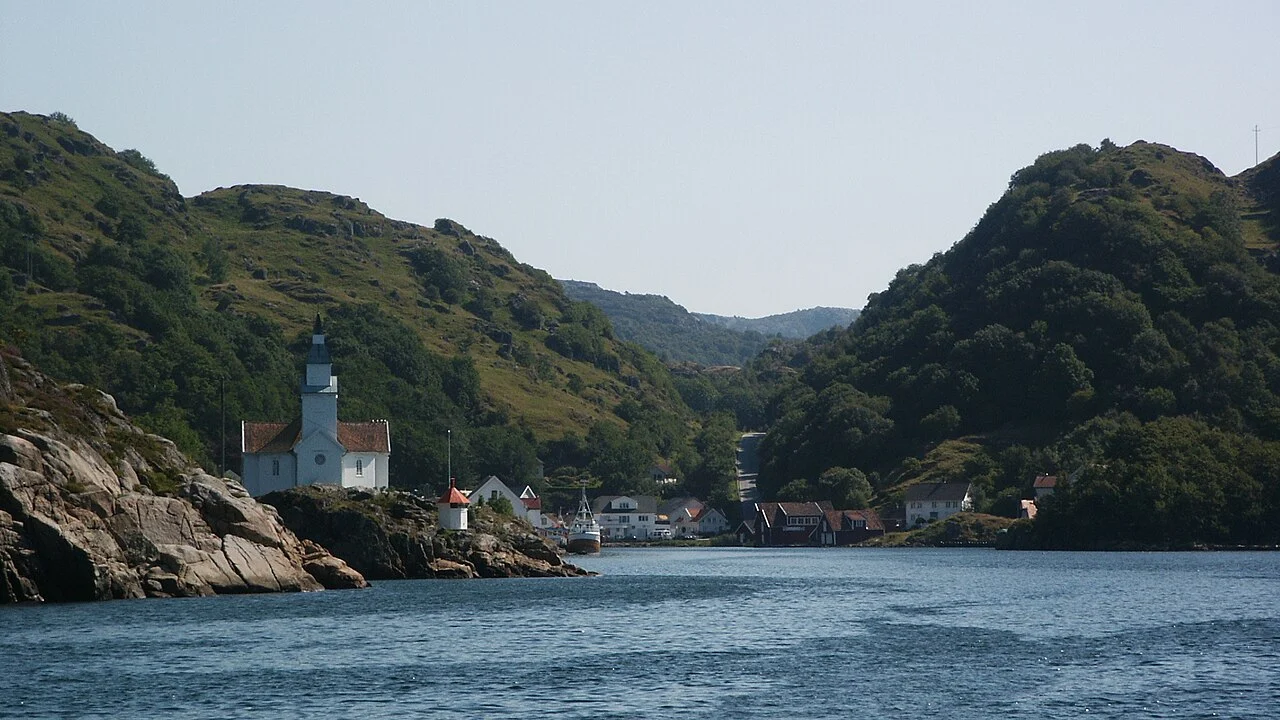
Hidra adds an island dimension to a Flekkefjord visit. Kirkehamn and Rasvåg offer different harbour settings, making the island more than a single arrival point. The journey and the time between settlements are part of the excursion, so choose it when you want a slower coastal day rather than another brief town-centre stop.
The ferry connection from Kvellandstrand needs checking for your travel date and mode of transport. Decide how you will move around Hidra after arrival; landing on an island does not automatically put every village within an easy stroll. Plan the return and leave room for a meal or supplies even if a café is closed.
Harbours remain working and residential places. Keep clear of moorings, respect private property and do not assume every seaside building is a public attraction. A guided cycle or other local tour may be useful when available, but choose it from current operator information. Avoid promising both villages and a long hike in a tightly timed half-day.
7. Hågåsen on Hidra
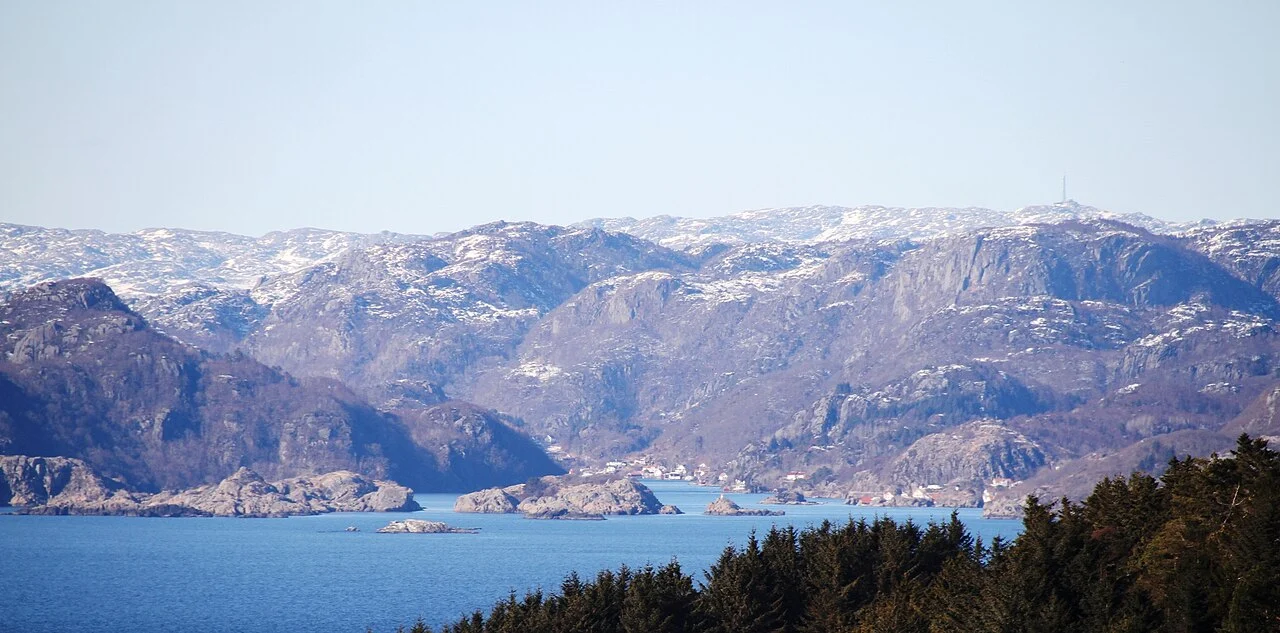
Hågåsen provides a more elevated outdoor option on Hidra and adds landscape interest beyond the island’s harbours. It makes sense for visitors who enjoy walking and want to give the island a substantial part of the day. It should not be presented as a compulsory extension for every passenger who takes the ferry.
Check the current route description and choose a walk that fits your ability, the weather and your return sailing. Include the approach, breaks and descent when estimating time. Good shoes, water and wind protection are useful even when the main purpose is a viewpoint rather than a long mountain expedition.
Do not cut the visit so close that a missed turn or slower descent creates pressure to hurry over uneven ground. Historic remains and any exposed areas need care; stay on permitted routes and follow signs. If conditions are poor, concentrate on the harbour settlements instead. Hidra remains worth visiting without adding a hilltop.
8. Åna-Sira village and its landscape
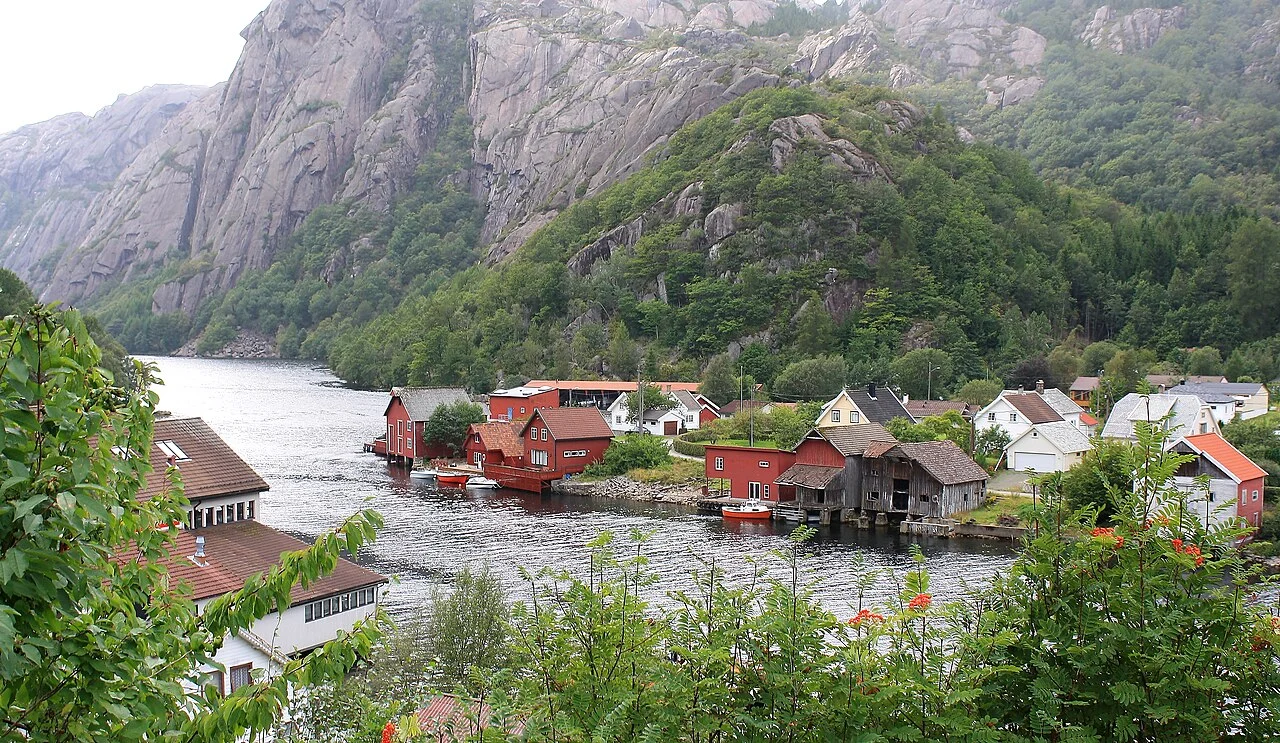
Åna-Sira is a different sort of excursion from the central streets of Flekkefjord. Its waterside setting and surrounding rocky landscape make it relevant to visitors interested in the wider Magma Geopark area. It can be enjoyed as a modest village stop or used as the starting area for a separately chosen walk.
Choose a specific public route or viewpoint using current local information. Do not assume every trail around the village has the same difficulty as a walk beside the water. Arrange transport and give the outing enough time; a map full of nearby attractions can conceal slow roads and the time needed to park and orient yourself.
Respect private land, local traffic and any signed restrictions. If you are continuing toward a more demanding hike, make that a fresh decision based on conditions rather than an automatic extension. A short village visit is a valid experience in its own right and does not need a cave or summit photograph to justify it.
9. Brufjell scenery for appropriately prepared hikers
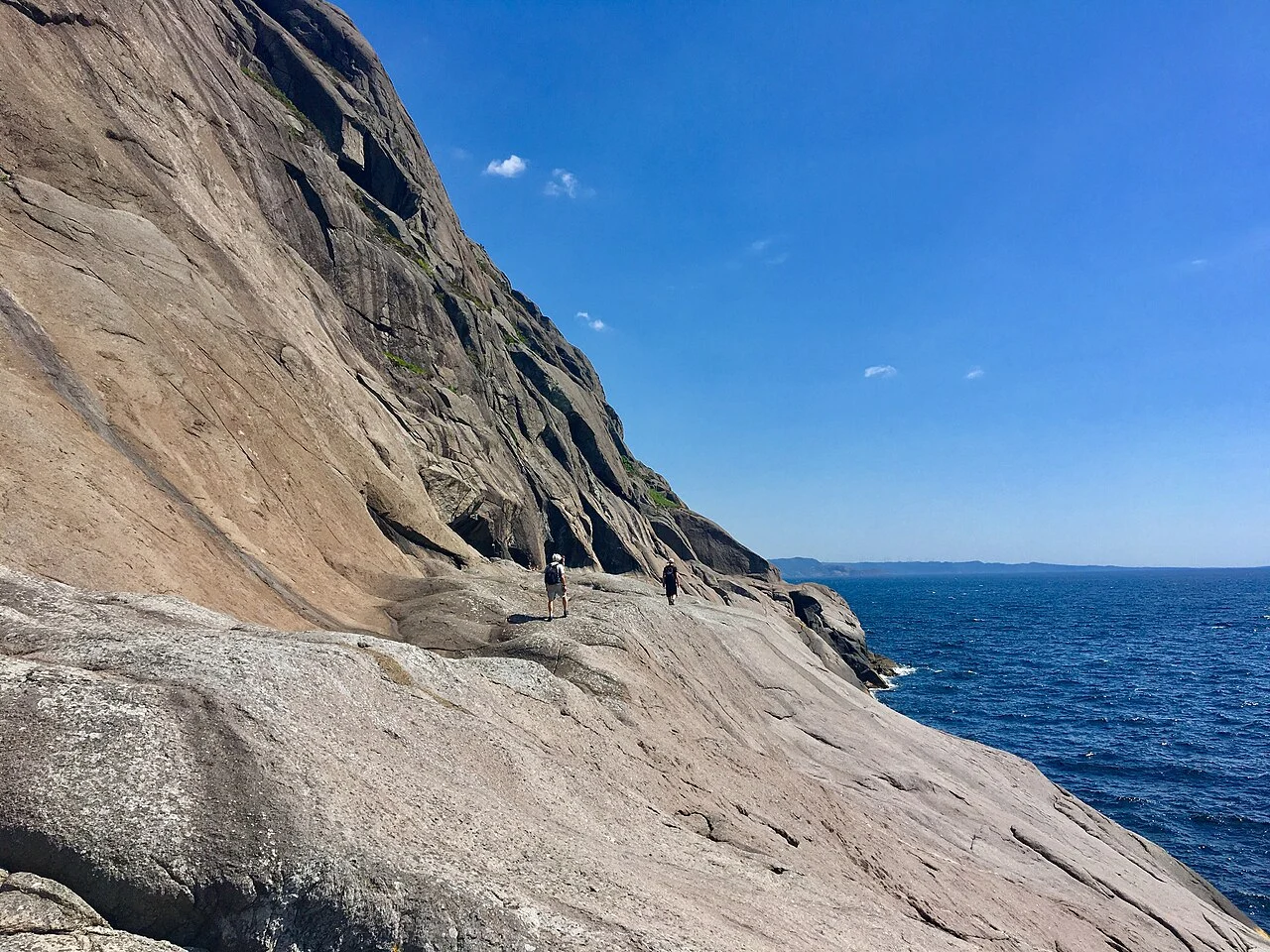
Brufjell near Åna-Sira is a rugged coastal-hiking option, not a routine sightseeing stop. The summit landscape can be an objective in its own right. The famous potholes or caves involve a separate very steep descent with climbing, and should not be confused with an ordinary walk merely because the mountain is not high.
Read the current official route and safety advice before deciding whether any part of the outing fits your ability. Allow daylight, suitable footwear and the right conditions. The cave descent is unsuitable for children and dogs according to the geopark’s guidance. A photograph online is not evidence that the route is easy, open or appropriate today.
Winter use of the cave path is not recommended; the local visitor park and toilet facilities also have a seasonal closure. Check current municipal and geopark notices. Do not approach exposed ground in poor conditions or attempt the descent to complete this list. Choosing a gentler village or town outing is the sensible alternative when there is doubt.
10. A guided coastal paddling or boat experience
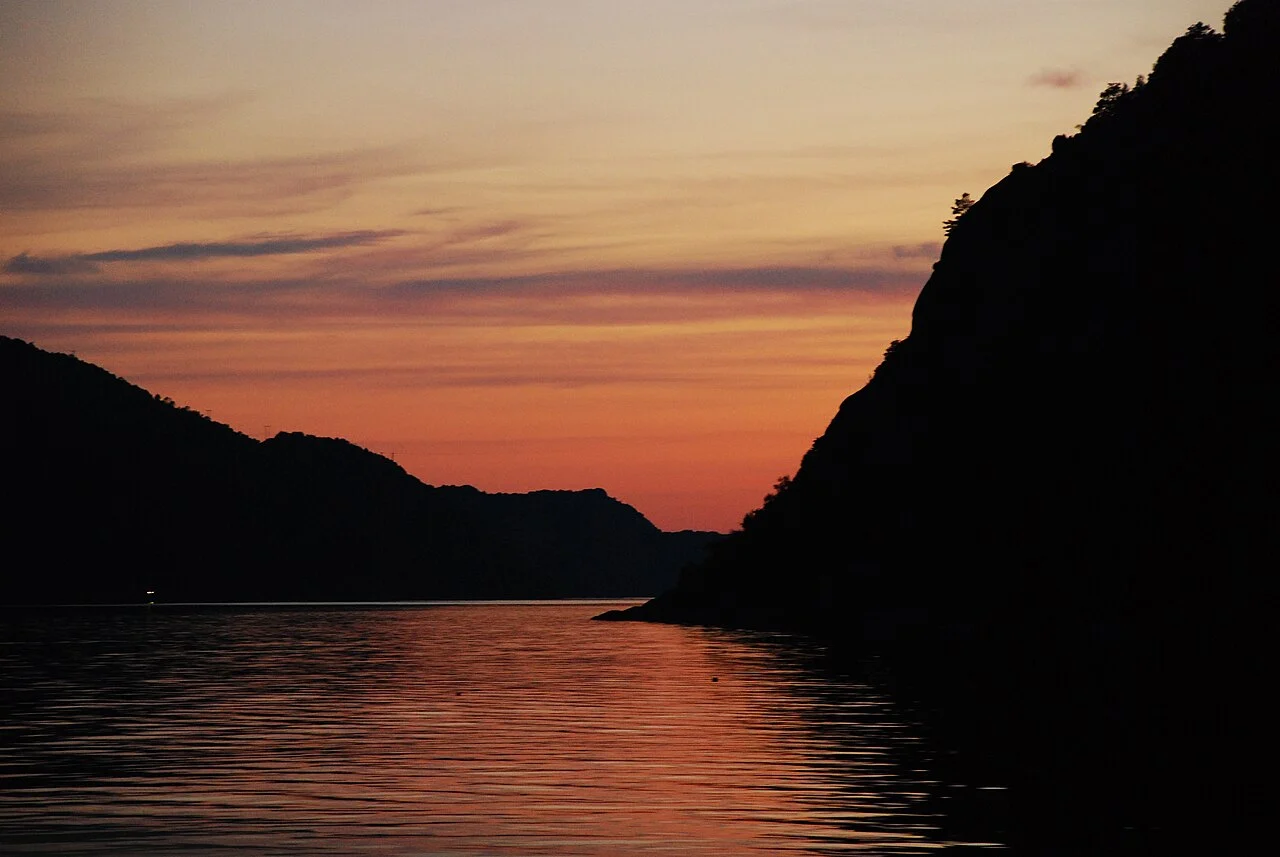
Book here with Viator → Kayak Exploration at Hidra island, Southern Norway
A locally organised experience on the water can reveal the coastline from another perspective. It may suit visitors who want an active outing or a closer view of island surroundings without creating an independent boating plan. Choose a specific current operator and format rather than assuming that kayak hire, a guided trip and a passenger boat are interchangeable.
Check availability, meeting point, experience requirements and the operator’s weather policy before booking. If the activity is on Hidra, include the ferry and the journey to the meeting point in your plan. Leave enough time afterward for changing clothes, food and the return; cold and tired participants should not face a rushed connection.
Independent paddling requires competence appropriate to the conditions. A calm harbour does not describe the exposed coast beyond it. Follow local instruction, use suitable safety equipment and keep a land-based alternative. This is an optional experience that should be chosen for interest and ability, not a requirement to claim you have properly visited Flekkefjord.
Realistic Flekkefjord itineraries
One day: the town and one main activity
Begin in Hollenderbyen and follow a compact street-art route, then choose either the museum or a booked rail-biking outing as the main activity. Keep lunch and a waterfront pause unhurried. If time and conditions allow, finish at Grønnes. Do not add Hidra or Brufjell to this central plan: each requires more transport and a different assessment of conditions than a town walk.
Two days: add Hidra
Use day one for the town and your chosen activity. Spend day two on Hidra after checking the ferry and island transport. Prioritise Kirkehamn or Rasvåg according to your route, and add Hågåsen only when weather, walking ability and return timing allow. A local guided outing can replace the hill walk. The island day should feel different from the town day, not like another race between short stops.
Three days: choose the wider landscape
Use the extra day for Åna-Sira and a suitable confirmed walk, or for the rail-biking experience if it was omitted earlier. Prepared hikers may consider Brufjell after reading current official advice, but the cave descent is not a standard part of this itinerary. Keep this day movable so it can use the best conditions. If weather is poor, extend the museum, street-art and food time rather than forcing an exposed coastal objective.
Practical travel tips
- Give rail biking a proper reservation and time block. It is an activity with equipment and instructions, not a normal public train that you can casually join at any station.
- Plan Hidra transport beyond the ferry landing. Choose a realistic island route and settle the return sailing before beginning a longer walk or organised activity.
- Read route-specific advice for Brufjell. General tourism language and a low summit height can be misleading about steepness, exposure and the separate cave descent.
- Keep a flexible outdoor day in a longer stay. A sensible itinerary should survive a windy forecast without requiring cancellations of several unrelated bookings.
- Use a current art map if a particular mural matters to you. Street art changes, and an older photograph should not be treated as a permanent inventory.
- Choose footwear for the actual activity. Cobbled town lanes, railway activities and coastal rock involve different conditions even when all appear within one destination guide.
Frequently asked questions
Is Flekkefjord worth more than a quick stop?
Yes, if you want the wooden centre as well as rail biking, Hidra or the wider coastal landscape. The town can be introduced in a day, but the main excursions are more enjoyable when they have separate time rather than being added to an already full schedule.
Are the Brufjell caves an easy family hike?
No. The final descent involves steep climbing and exposure, and official geopark advice says it is unsuitable for children and dogs. Check current notices and conditions. You can enjoy Flekkefjord through many gentler activities without attempting this route.
Can you see Hidra in a few hours?
A shorter visit may be possible with a suitable ferry and island transport, but it requires planning. Choose one modest objective rather than assuming both harbours and a hill walk fit comfortably. Allow a buffer for the return instead of leaving the last connection to chance.
Do you need to book rail biking?
Use the operator’s current booking arrangements and check availability for your date. Do not assume an advertised attraction has spare equipment whenever you arrive. Confirm the route, expected duration and suitability for your group before committing the rest of the day.
What is a good wet-weather option?
The museum is a useful indoor priority when public access is available. Short town and street-art walks can fit between showers. In severe coastal weather, do not use a cave hike or water activity as a substitute simply because it was already on the wish list.
Can you visit without a car?
The central town can be explored on foot. Outlying activities require checks on public transport, operator transfers or other arrangements, particularly for Hidra and Åna-Sira. Confirm the whole return journey before deciding that a nearby point on the map is easy to reach.
Continue exploring Norway
If you have a second coastal day, Farsund and Lista add lighthouse landscapes and bird habitats. Plan the regional road journey as a separate outing, leaving enough time for weather-dependent stops.
Sources and current travel checks
Official tourism, museum and operator information informed this guide. Opening calendars, access, fares and transport can change; follow these sources for your travel dates. Suggested visit lengths and itineraries are editorial planning allowances.