Traditional Norwegian Food: 10 Dishes and Where to Try Them
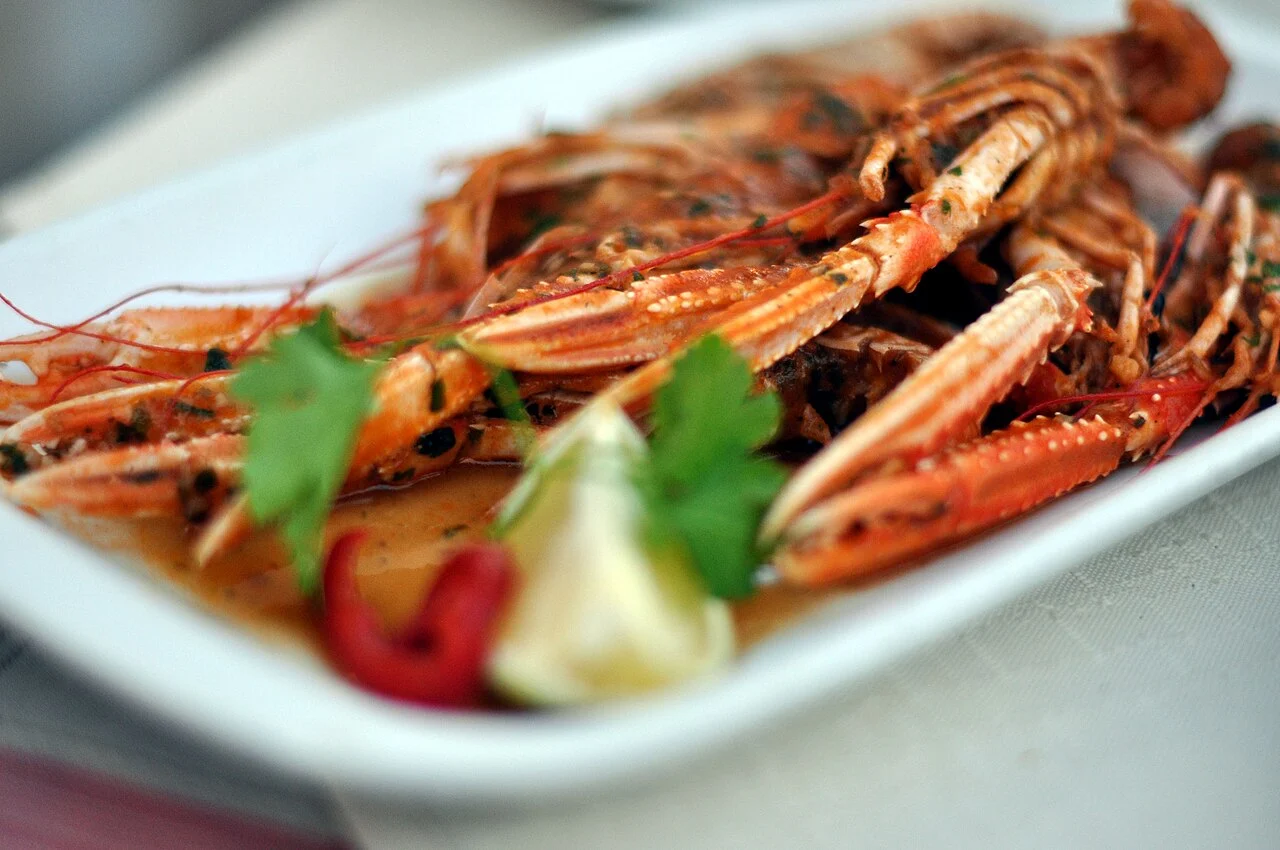
Traditional Norwegian food makes more sense when you connect it to a place and season. A bowl of fish soup in Bergen, dried cod in Lofoten and preserved trout in Valdres come from different traditions. Use this guide to choose what to order, recognise what is seasonal and plan a food trip around meals you can realistically find.
Quick answers
- Worth it? Yes, especially if you try a local seafood dish and something preserved or baked.
- Time: One day for a city tasting route, two to three for more meals.
- Best time: Year-round for everyday dishes, winter for skrei and Christmas specialities.
- Cost: Mix bakery and supermarket stops with one sit-down meal.
- Transport: Walk between food stops in a city and plan rural stops around opening hours.
- Priorities: Try fish soup, brown cheese and a regional dish.
1. Bergen fish soup
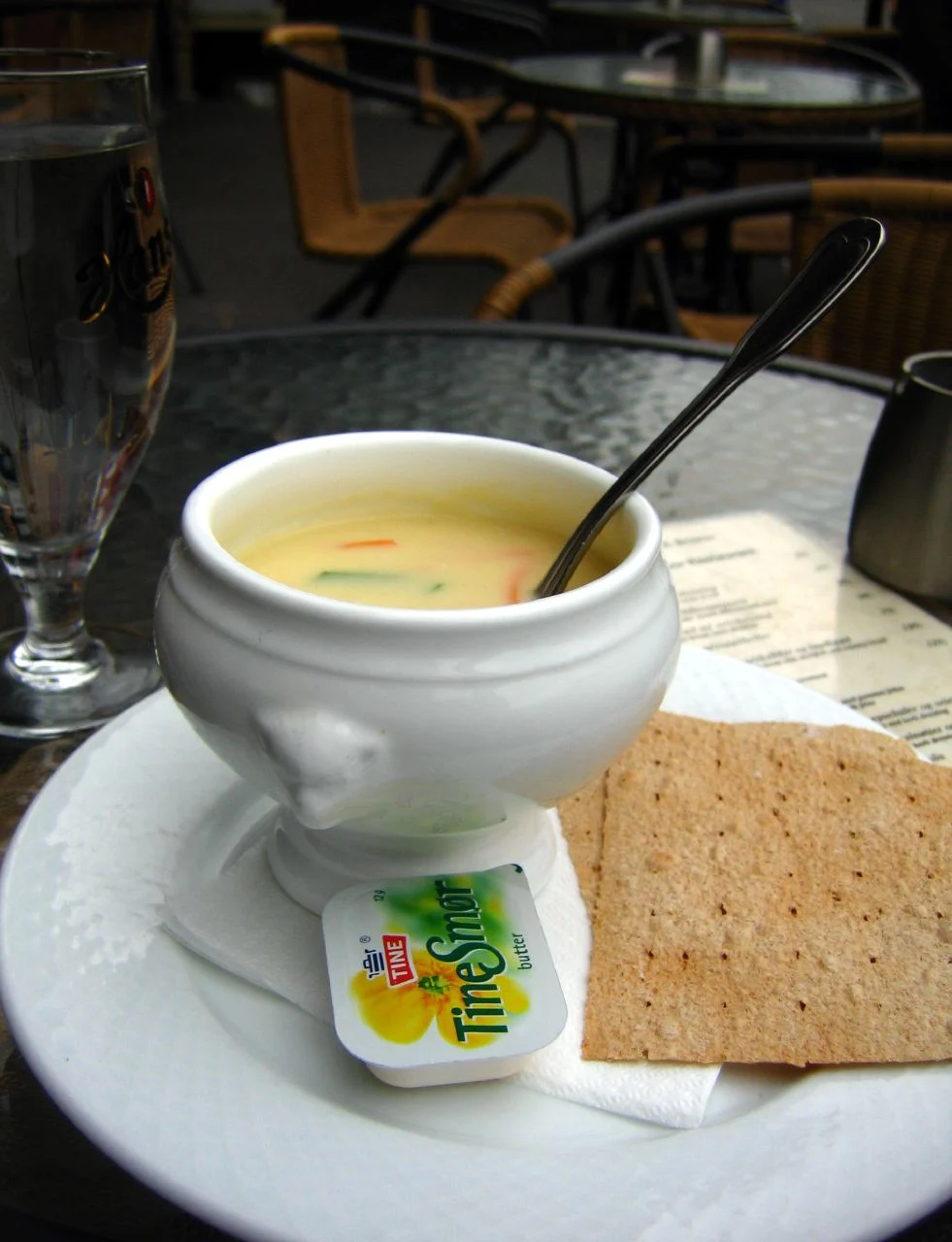
Bergen’s fish soup is a useful first order because it introduces the local seafood tradition without requiring a tasting menu. Recipes vary across kitchens, and a bowl can contain different fish and shellfish according to the house recipe and what is available.
Ask whether the bowl is intended as a starter or a meal. A soup served with bread can be a sensible lunch before a long museum visit. If the table wants to sample more than one thing, compare a bowl with fish cakes or split a main course if the restaurant allows it.
Around the harbour, compare prices for an actual lunch rather than assuming every market stall has the same portions. Set aside an hour for table service. Check current menus and call ahead for serious allergies, since stock and garnishes can contain shellfish. Pair lunch with our Bergen city guide.
2. Skrei and seasonal cod
Skrei is migratory Atlantic cod that reaches northern Norwegian coastal waters to spawn. It is associated with the winter fishery, and an encounter with it on a restaurant menu tells you something about the season and the supply behind that kitchen.
The straightforward way to try it is as a fish main, where you can taste the texture without several strongly flavoured preparations. Some seasonal menus may offer the traditional combination of cod, roe and liver. Ask what is on the plate before ordering if you want to experience the whole preparation.
Look for winter availability and confirm it on the day. A menu from another month is a poor guide to what is available now. In a small town, ask your accommodation which kitchen is serving dinner and reserve a table when hours are limited. Set aside more time for a restaurant meal than for a harbour lunch.
3. Stockfish in Lofoten
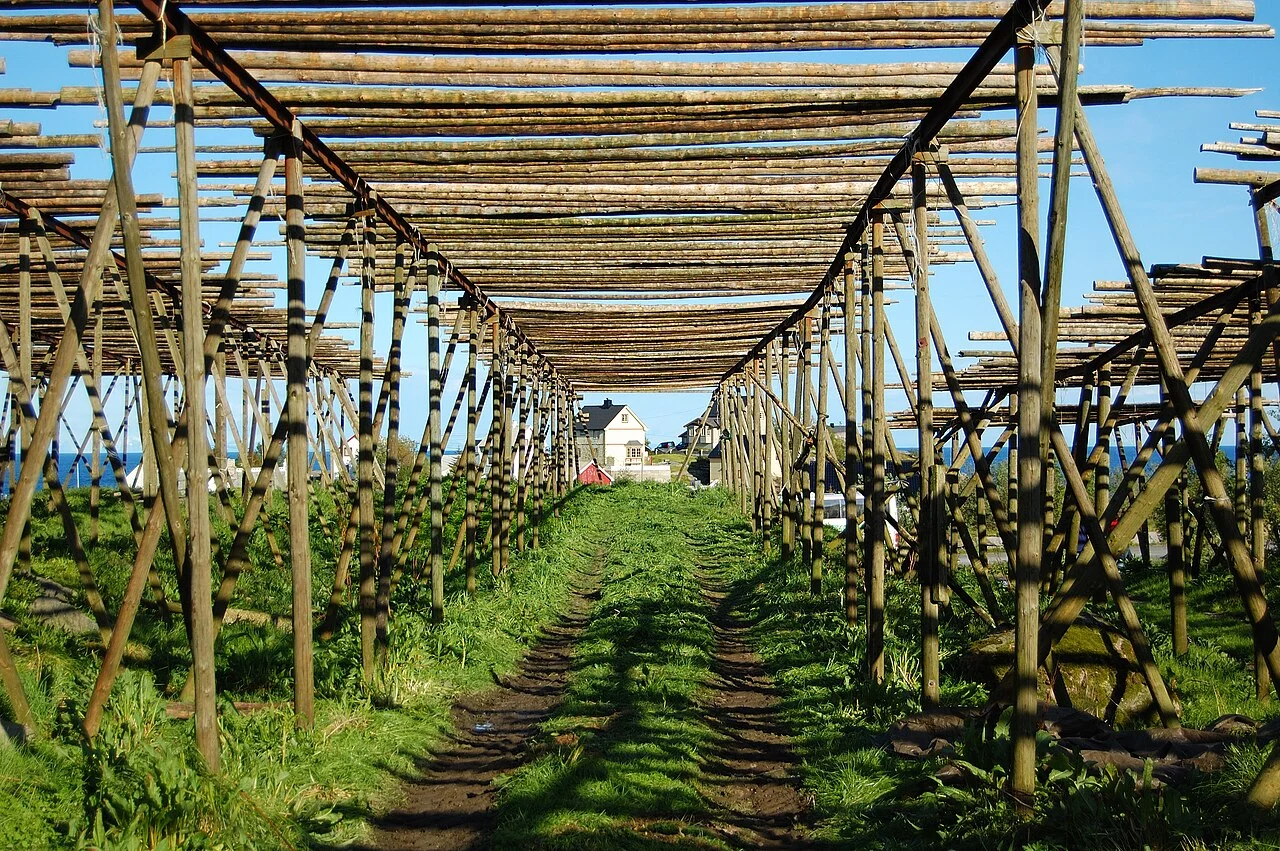
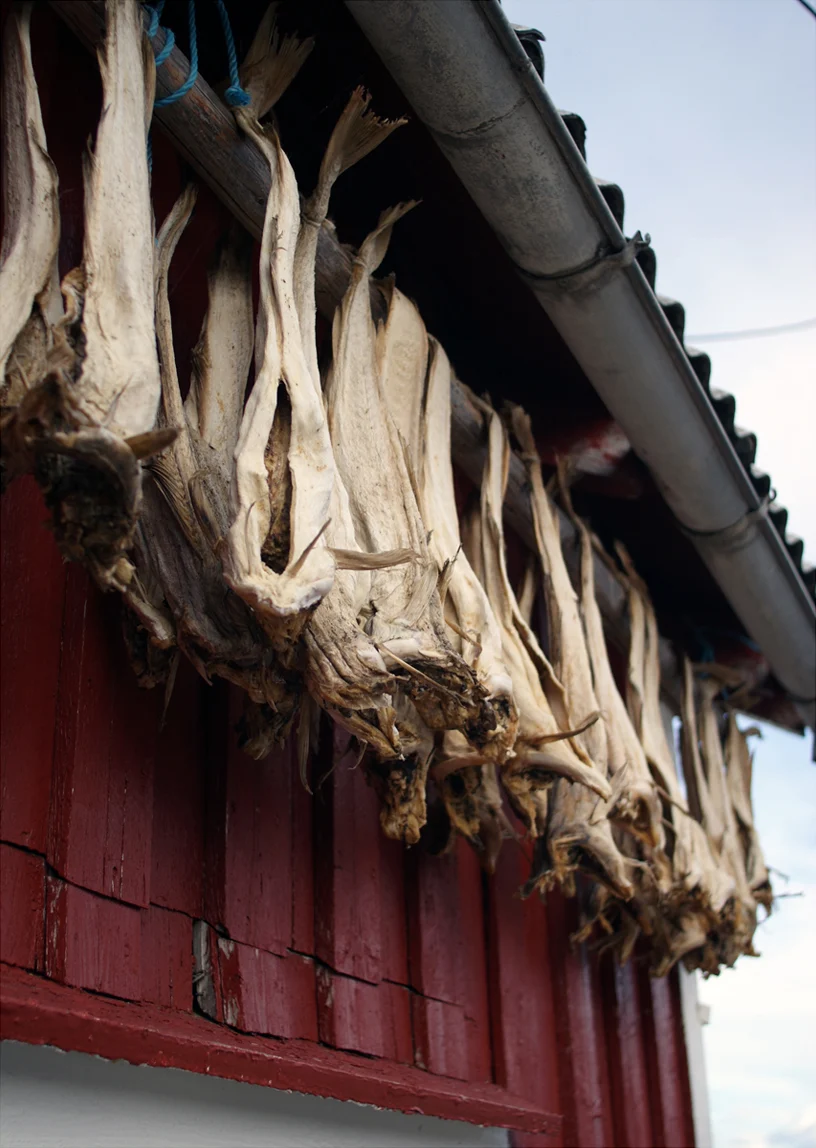
Stockfish is unsalted fish dried outdoors, traditionally made from cod in Lofoten. Air drying changes its texture and lets producers store and ship the fish. It differs from klippfisk, which is salted as part of the preservation process.
Outdoor drying racks are part of the working landscape. Observe from public roads and marked viewing areas, since racks can be on private property. At the table, look for a prepared stockfish dish if you want to understand how soaking and cooking change the texture.
A producer visit, museum or shop can explain more than a hurried photo stop. Check season and hours before driving, especially in winter. Allow an hour for an interpretation stop and longer for a restaurant lunch. Our Norway destination guide helps with the wider route.
4. Bacalao and salted dried fish
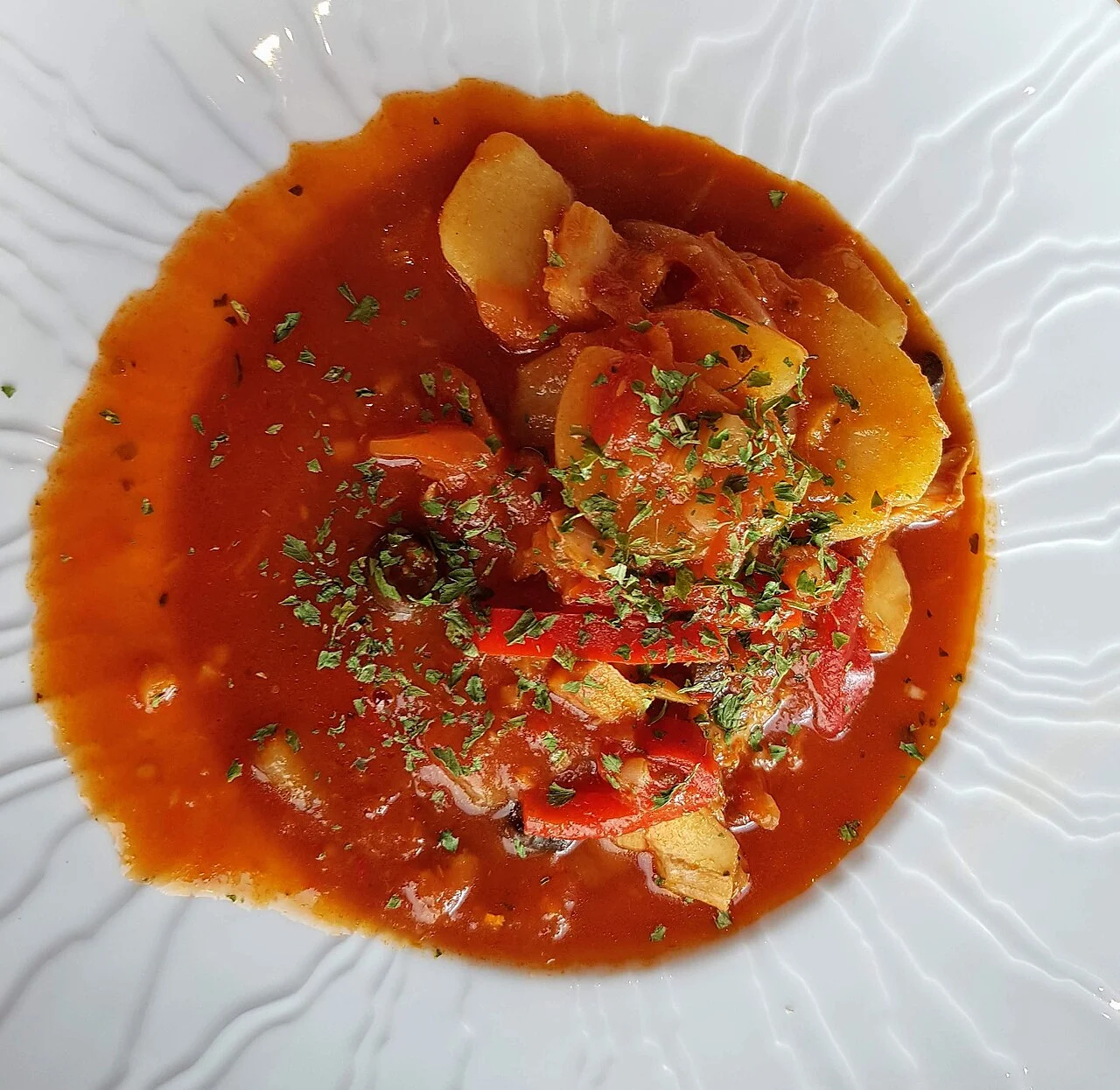
Norwegian bacalao uses salted dried fish, often in a tomato-based stew with potatoes and onions. Preparation varies and the dish illustrates the relationship between coastal fish production and overseas markets. Kristiansund is a useful place to seek out that story.
Choose bacalao as a main if you want a substantial lunch on a wet coastal day. On a menu with more than one preserved-fish dish, ask which uses salted dried fish and which uses air-dried stockfish. The names are useful clues when you want to compare them.
Check the restaurant’s current lunch service. In a town with seasonal hours, a menu photo from a previous summer does not establish availability in November. Allow about an hour for the meal. If you want to take a packaged fish product home, check storage instructions and import rules first.
5. Brunost and waffles
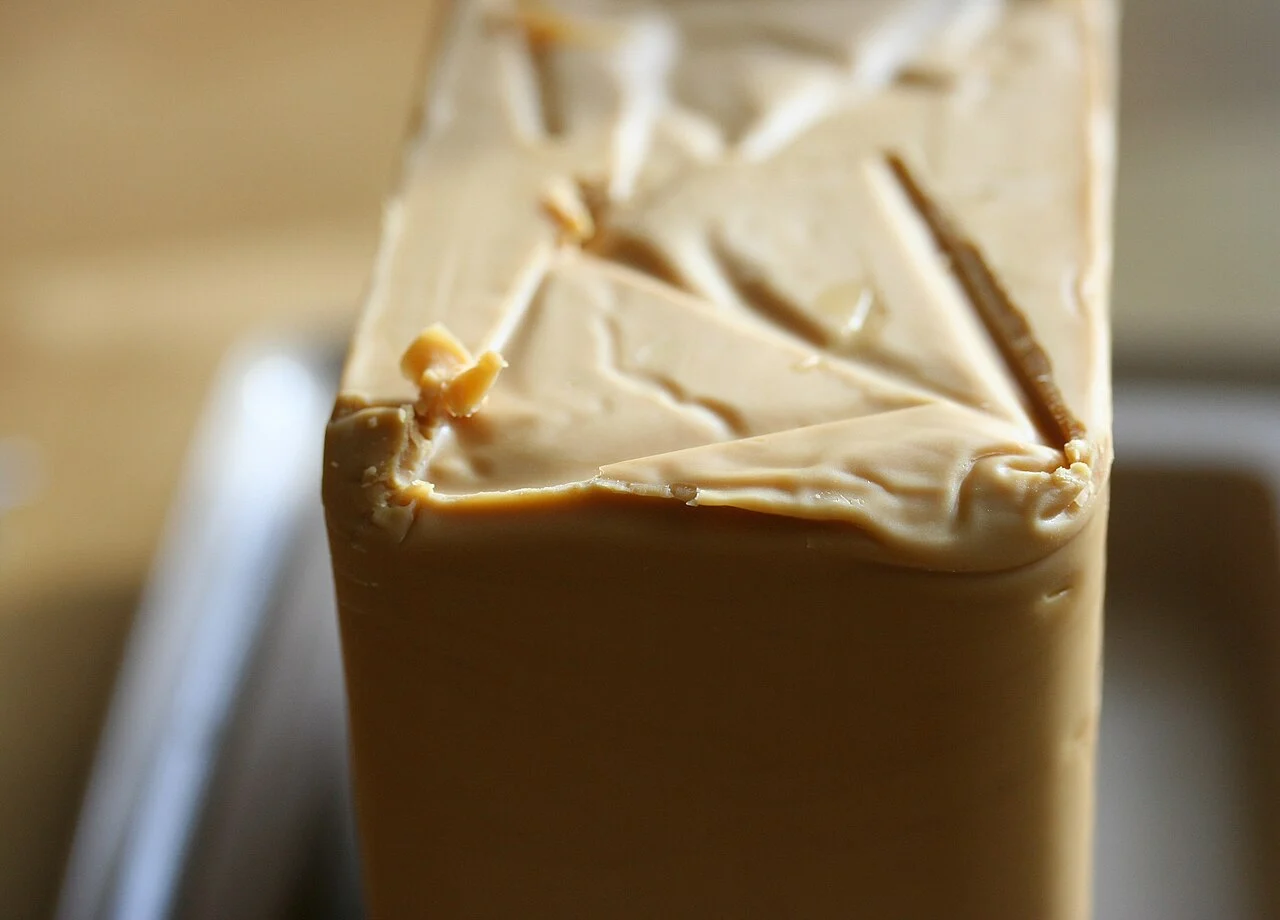
Brunost is made by heating whey, often with milk or cream, until its sugars brown. Producers use different blends of cow’s and goat’s milk, giving variations in sweetness and strength. It is often served sliced thinly on bread or waffles.
A waffle stop gives you a convenient comparison. Order brown cheese if available, and look at what the café serves alongside it. Jam or sour cream may appear as other options. In a supermarket, a small pack is easier to finish before travelling than a large block.
Visit a bakery or café between sightseeing stops and allow twenty to forty minutes. Ask about ingredients if you have a milk allergy. Where a farm shop interests you, confirm that it is open before taking a detour and check whether its own products are available for tasting.
6. Fårikål in autumn
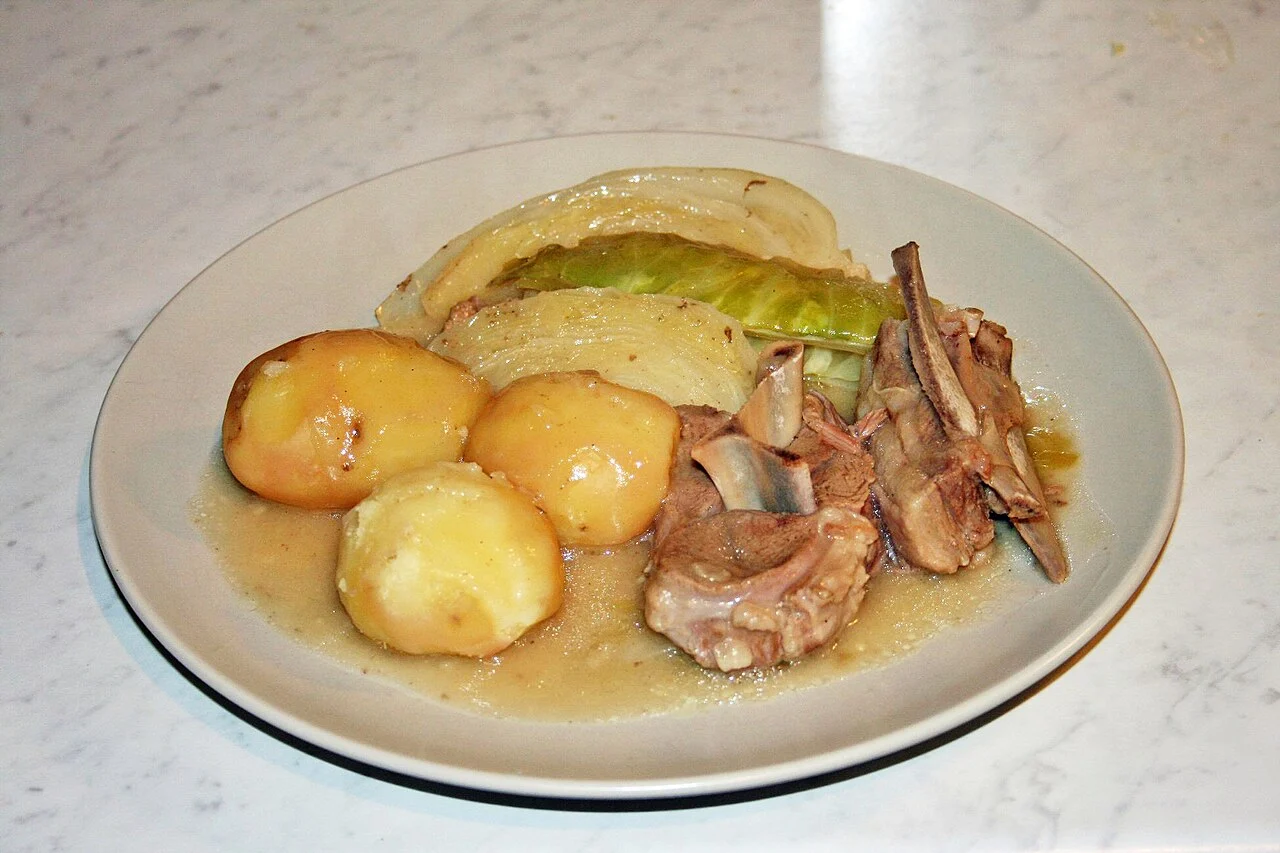
Fårikål is a simple simmered dish of lamb or mutton and cabbage, commonly associated with autumn. The cooking softens the cabbage and puts most of the flavour into the broth. Whole peppercorns are a typical part of the preparation.
Order it where it appears on a current menu rather than making it the reason for an inflexible trip. A substantial bowl with boiled potatoes can be a meal by itself. If a restaurant offers a set lunch that day, ask how large the serving is and whether it includes sides.
Check autumn specials at cafés and traditional dining rooms and reserve if your time window is tight. Give yourself a full meal break before onward travel. Outside autumn, keep an everyday alternative such as meat cakes in mind and check for actual availability before crossing town.
7. Rakfisk in Valdres

Rakfisk is fermented fish, commonly trout, and Valdres has a strong association with it. A small serving is a useful introduction if you are interested in how preservation shapes flavour. It can have an aroma that is more pronounced than fresh or smoked trout.
It is often served with accompaniments such as flatbread, onion or sour cream. Try the fish with the accompaniments first so you can judge the complete dish. Ask whether a small plate or tasting portion is available before ordering for the table.
Look for a reputable shop or restaurant and follow official food safety advice, including advice for people advised to avoid it. If visiting around a food event, check the exact dates, ticket arrangements and local transport in advance. Buy chilled products only when you can follow the label’s storage directions.
8. Pinnekjøtt at Christmas
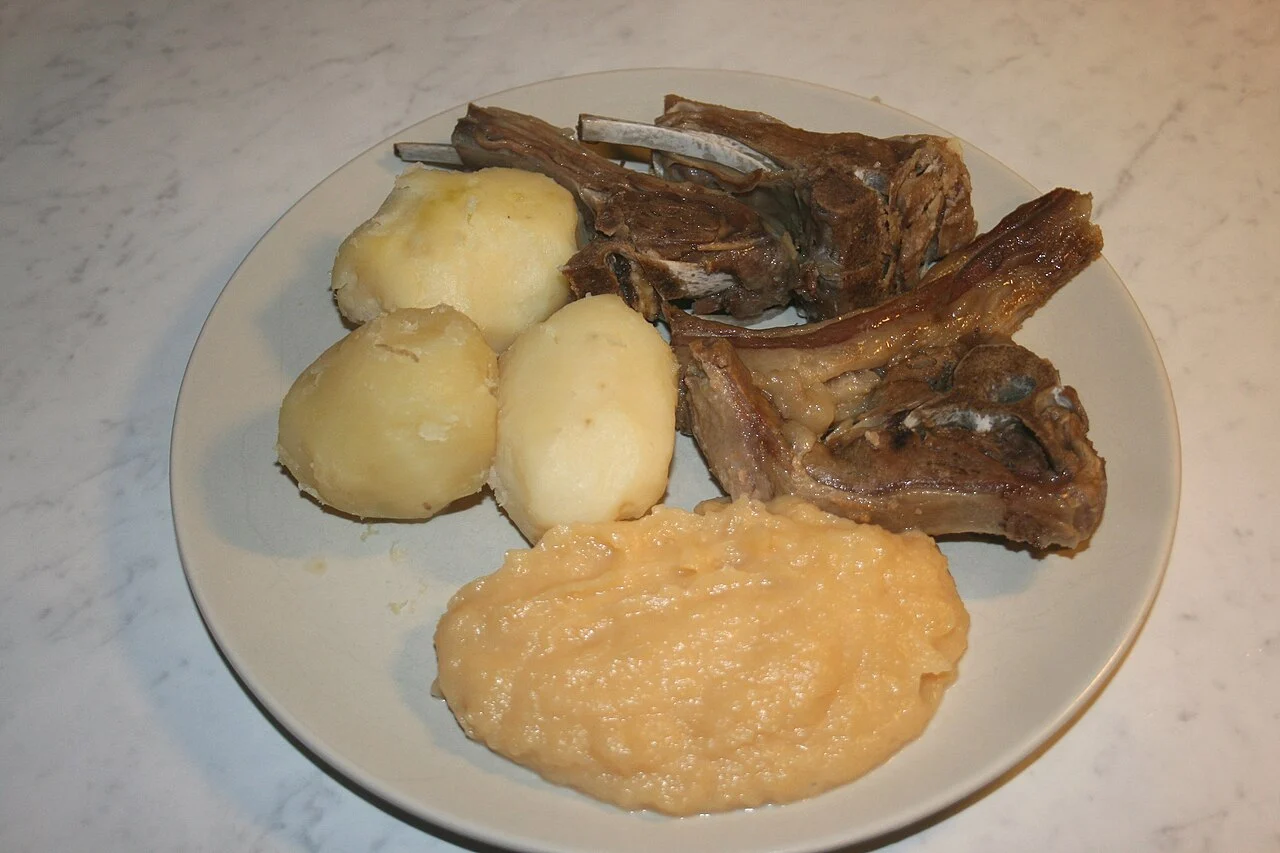
Pinnekjøtt is cured lamb or mutton ribs. It is closely associated with the Norwegian Christmas meal, particularly in western Norway. The meat is traditionally soaked and steamed. A serving may come with potatoes and mashed swede, which balance its rich, salty flavour.
Restaurants sometimes offer it as part of a festive menu. Check whether the price is per plate or for a multi-course meal and whether everyone at the table needs to order the set menu. This matters for groups with children or people who want a lighter meal.
Look from late autumn into the festive period and book ahead for popular December dates. Verify opening on public holidays separately. If travelling outside the season, choose another regional main and keep pinnekjøtt for a winter visit where you can reserve a table.
9. Ribbe and festive tables
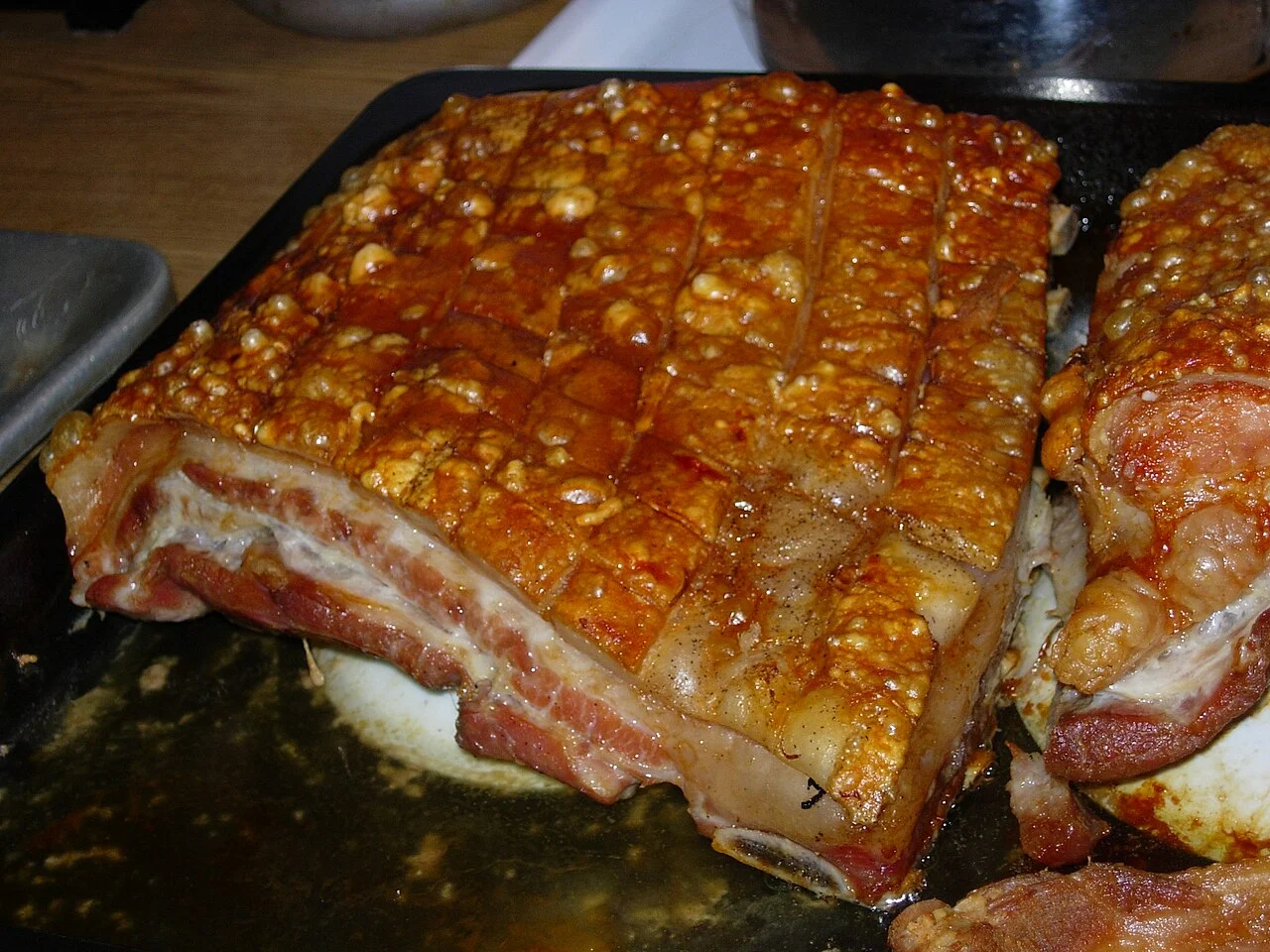
Ribbe is roast pork belly and is a common Christmas centrepiece, especially in eastern Norway. Crisp skin is a point of attention, and accompaniments such as cabbage and potatoes make it a substantial meal. Restaurant versions vary in how many extras are included.
A Christmas buffet lets travellers compare several dishes when the venue offers both pork and lamb. Ask whether the buffet is the only service that evening and how long the seating lasts. A normal restaurant meal may better fit a group with a tight budget or limited time.
Check the menu and book a dinner with enough time before your return transport. Compare any cancellation fee and what is included in the advertised price. If you are renting an apartment over the holiday, check grocery hours early and plan at least one meal around supplies you already have.
10. Kjøttkaker and everyday meals
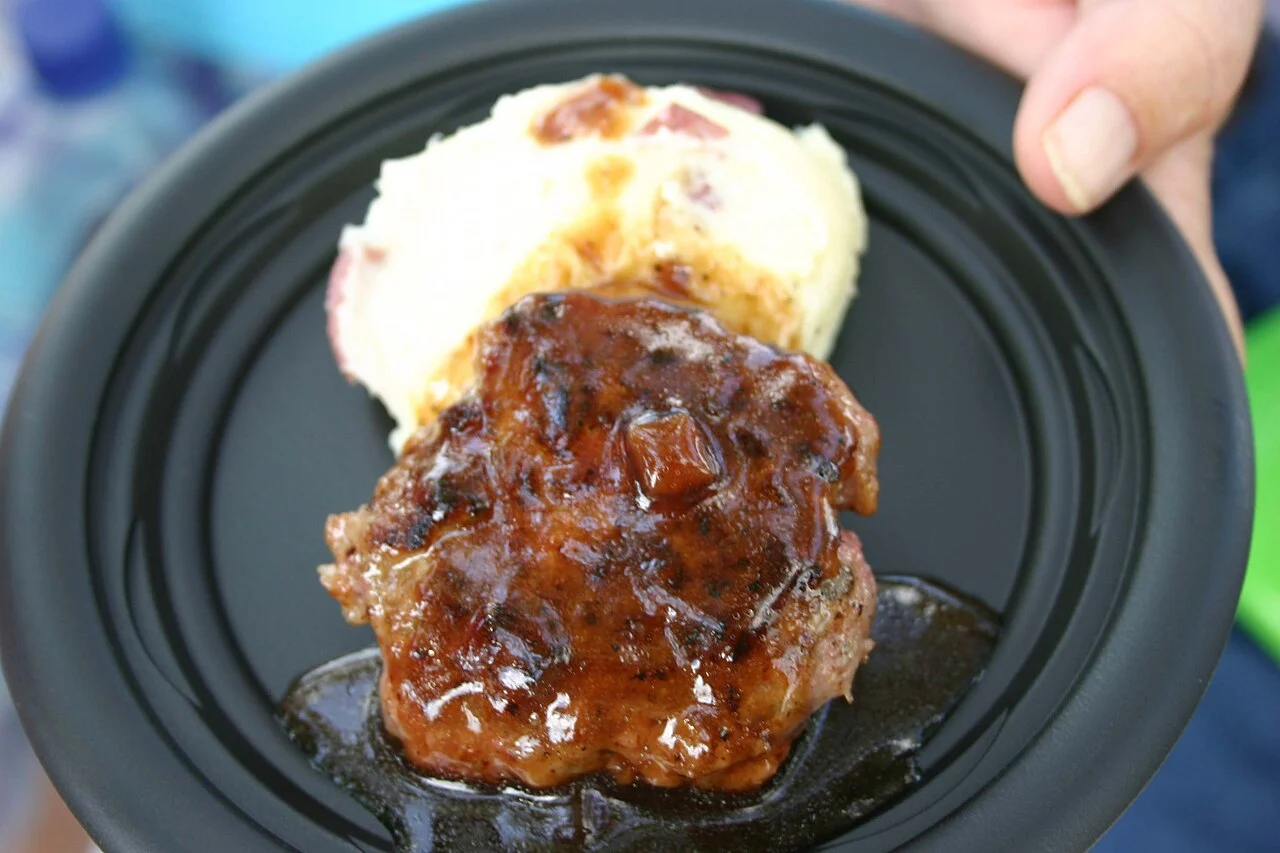
Kjøttkaker are Norwegian meat cakes often served with brown gravy, potatoes and a vegetable side. A home-style menu is a useful complement to seafood restaurants and festive dining. This is the sort of dish you can seek without organising the trip around a short harvest or fishing season.
Cafeterias, traditional restaurants and some lunch counters may serve them as a daily dish. Ask what comes with the plate. Pea purée or lingonberries may accompany it, and a menu translation that simply says meatballs can conceal differences in preparation and portion size.
Compare the price with a soup or cafeteria lunch before ordering and check midday opening. If you are planning food around sightseeing, use our Oslo city guide to group meals near attractions and avoid paying for cross-city travel solely for a quick snack.
Traditional Norwegian food itineraries
1-day itinerary
In Bergen, have a bakery breakfast in the morning and walk toward the harbour. Allow an hour for fish soup at lunch, then spend the afternoon around Bryggen or in a museum. End with a seafood main or a simple grocery dinner. On a wet day, choose indoor stops close to your booked lunch rather than crossing town between showers.
2-day itinerary
Day 1 in Oslo: Try waffles or brunost in the morning, browse a food hall in the afternoon and eat a booked dinner featuring seasonal ingredients. Day 2: Shop for picnic supplies in the morning, visit a museum or neighbourhood in the afternoon and look for a home-style main at an early dinner. Use transit between districts and choose indoor food stops on bad-weather days.
3-day itinerary
Spend three days in Bergen for a car-free version. Day 1: Explore the harbour in the morning, try fish soup at lunch and keep the evening informal. Day 2: Visit a museum in the morning, compare preserved-fish preparations over lunch or dinner and leave the afternoon flexible. Day 3: Use the morning for bakeries or shops, the afternoon for a city walk and the evening for a reserved seasonal dinner. Substitute an indoor stop if rain is persistent, and check that your last dinner fits onward transport.
Traditional Norwegian food travel tips
Prices depend on restaurant, portion, city and season. Compare current menus, especially where sides are listed separately. Pick up breakfast and travel snacks at a grocery store if the budget is tight, then spend on the regional dish you came to try.
Reserve small-town dinners and festive meals early. Check weekend and holiday hours, and use a quick call or current menu to verify seasonal dishes. On a long drive, carry lunch before leaving a larger town. A marker on the map does not guarantee a kitchen will be serving when you arrive.
For allergies, identify the ingredient and explain the severity directly. Fish stock, shellfish, dairy and wheat can appear in accompaniments. Ask about cross-contact and consult official guidance for pregnancy or other higher-risk situations. If you buy preserved or chilled products, read storage and transport instructions before leaving.
Taste Bergen with a local guide
A food and culture walk can help you fit tastings into a Bergen city day. Check the current stops, included samples and dietary arrangements before choosing this option.
Check current dates, prices, meeting points and cancellation terms on Viator. Affiliate link: we may earn a commission if you book.
Related planning
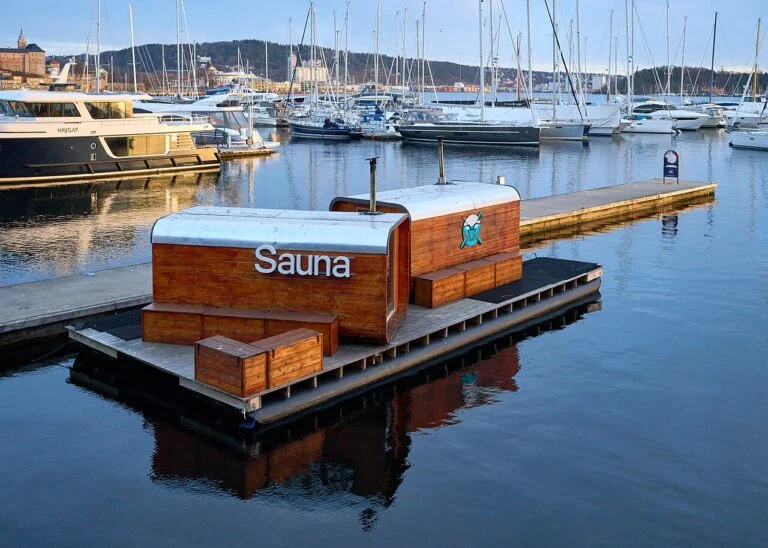
Saunas and Cold-Water Bathing in Norway
Compare related guided experiences
Guided food and tasting tours. Check the actual meeting point, duration and inclusions for your dates before booking.
More about Norwegian traditions
Food is one part of the country’s wider customs. The Norway fun facts guide explains the history of the cheese slicer and other stories, while Norwegian customs and cultural facts explains how some traditions vary with region, season and family. These are useful supplements to restaurant and tasting decisions, rather than rules that every household follows.
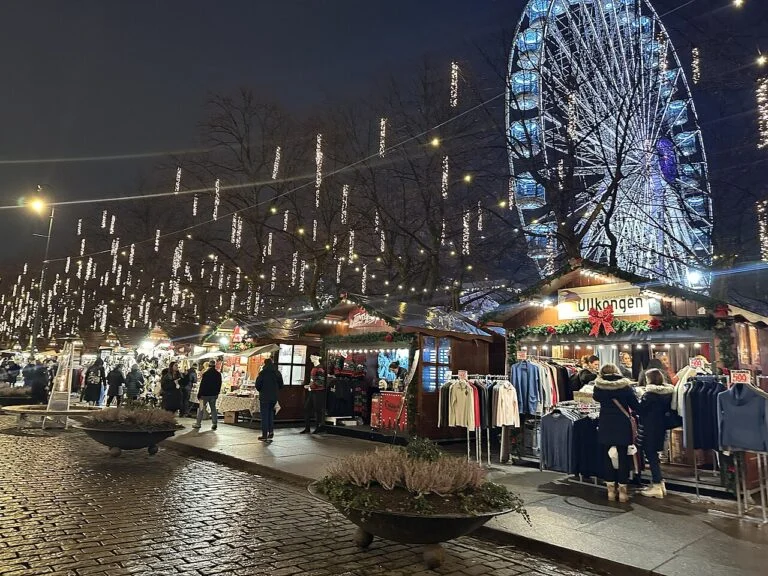
Christmas Markets and Christmas Holidays in Norway
King Crab Safaris in Norway
Destinations for your trip
Frequently asked questions
Is traditional Norwegian food worth planning around?
Yes. Choose one dish tied to the region and one everyday dish. That combination is easier to find than a list of seasonal classics at a single restaurant.
How much should I budget?
Check local menus for the amount in kroner and compare portions. One sit-down main plus bakery and grocery stops usually gives you more control over costs than multiple restaurant meals.
When is the best season?
Autumn is useful for fårikål, the Christmas period for festive mains, and winter for skrei. Fish soup, waffles and brunost are practical year-round choices.
Do I need restaurant reservations?
Book festive dinners, small-town evening meals and any restaurant you would travel across town to visit. Daytime bakery and supermarket stops generally require no booking.
Where should I start without a car?
Bergen is convenient for a seafood-focused walking itinerary. Oslo gives you a broader choice of regional ingredients and traditional menus connected by public transport.
Can I try every dish on a single trip?
You can try several on one trip, especially in a city, but seasonal availability varies. Build your itinerary around what kitchens are serving and leave distant producers for a separate regional route.
Conclusion
Start with the food that fits your route and the month of your visit. Fish soup and waffles can anchor a city day, while a seasonal dinner or a producer visit gives you a reason to spend longer in one region.
Official sources and current conditions
Check operators and official visitor sites for current prices, opening hours, departures and booking requirements.