Wild Camping in Norway: 10 Rules and Trip Planning Tips
Wild camping in Norway is possible under the right to roam on suitable uncultivated land. The rules concern where you pitch, how long you stay and how you treat the site. Local restrictions, fire risk and access by vehicle need separate checks. Use these ten decisions to plan a first overnight and to know when an established campsite is a better choice.
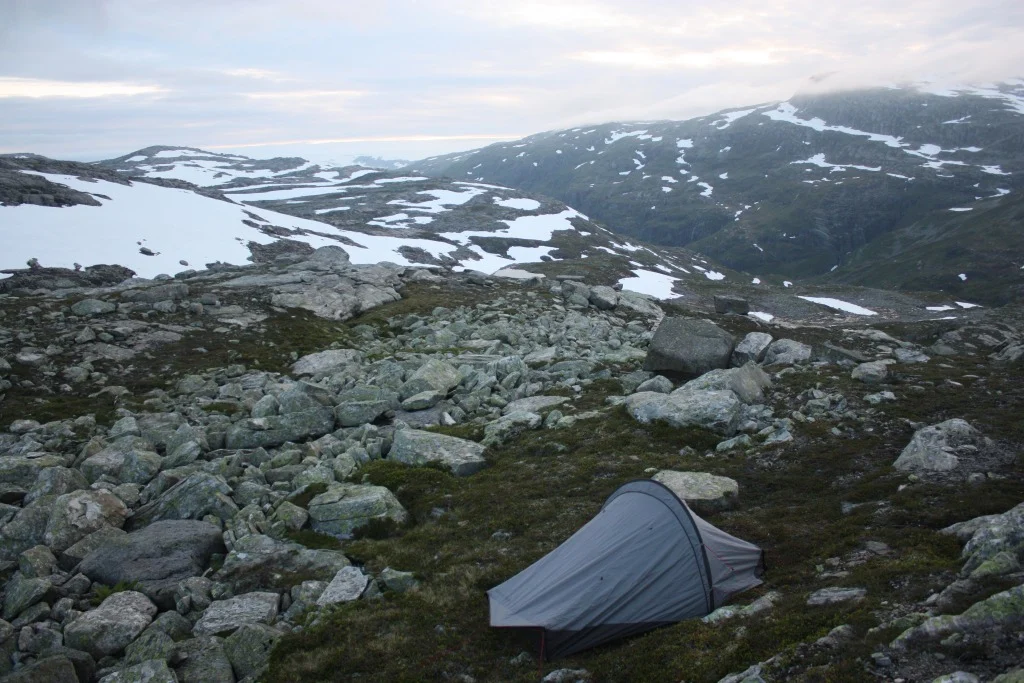
Quick answers
- Worth it? Yes if you can identify legal ground and carry suitable equipment.
- Time: Start with one night close to a verified exit.
- Best time: Choose for local weather, daylight and conditions.
- Cost: Budget for transport, gear and a possible paid campsite.
- Transport: Reach a legal trailhead by transit or park where allowed.
- Priorities: Check land status, keep the required distance and leave no trace.
1. Identify uncultivated ground
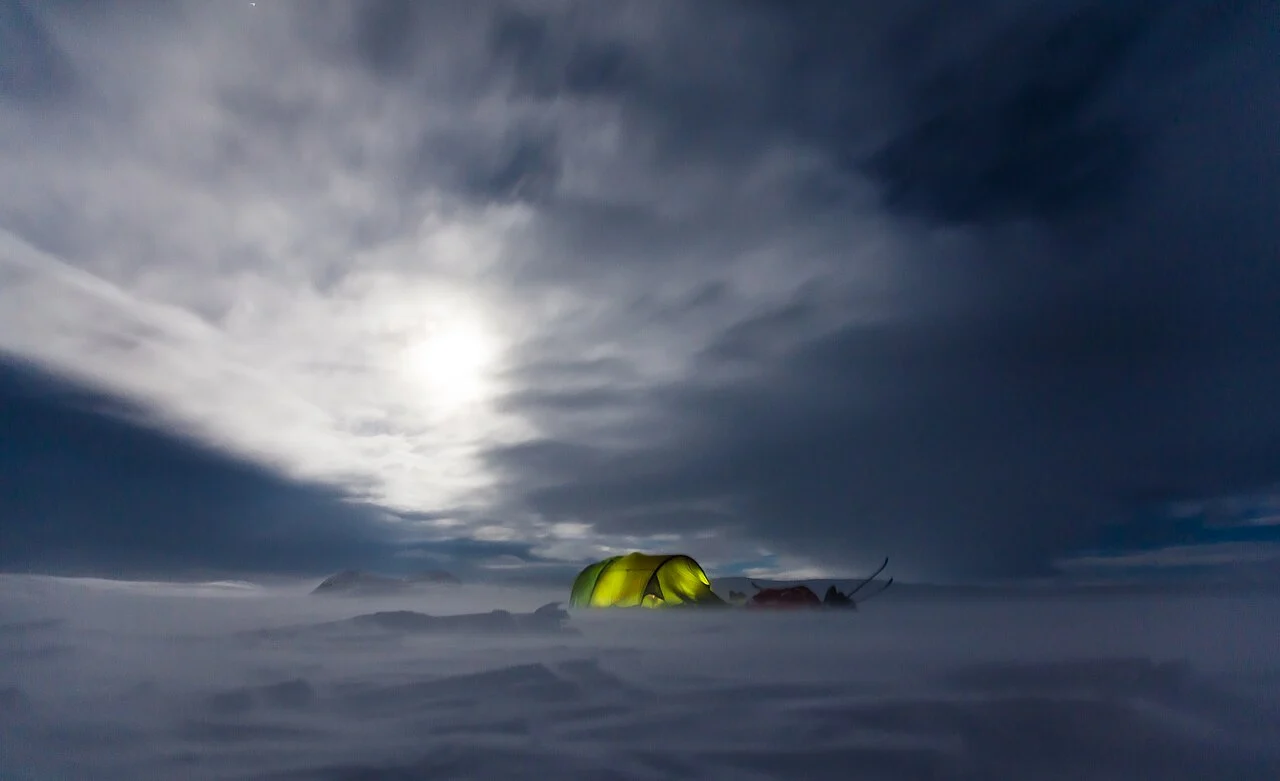
The right to roam distinguishes uncultivated land from land where access and camping are more restricted. A grassy surface alone tells you little. Fields, gardens, yards and areas used for farming can look inviting when you are tired, yet be unsuitable for pitching.
Read the landscape before unloading. Look for signs of cultivation, livestock, fences, paths to homes and facilities in use. A tent that blocks a farm track or sits beside a working area can cause problems even if the spot looks quiet from the road.
Check official guidance and local information for your intended area while you have reception. Ask a landowner if permission is needed and choose a paid campsite if you cannot resolve land status. Budget time to reach an alternative during daylight rather than counting on one specific patch of grass.
2. Keep your distance from homes
The Norwegian Environment Agency gives 150 metres as the normal minimum from an inhabited house or cabin, subject to local rules. Look around the entire site before choosing a place. A building behind trees or on the far side of a bend may be less obvious from the path.
Consider noise and visibility as well as a map measurement. A quiet site farther away gives residents and other visitors more space. If a location feels like someone’s immediate surroundings, look elsewhere before unpacking. A map can help you compare distances but may miss recent buildings.
Save a local map offline and allow time to inspect the area in person. If the site is too close or uncertain, go to a confirmed alternative rather than waiting until dusk. Pay attention to rules for any official designated pitch, where the local arrangements may differ.
3. Plan around the two-night rule
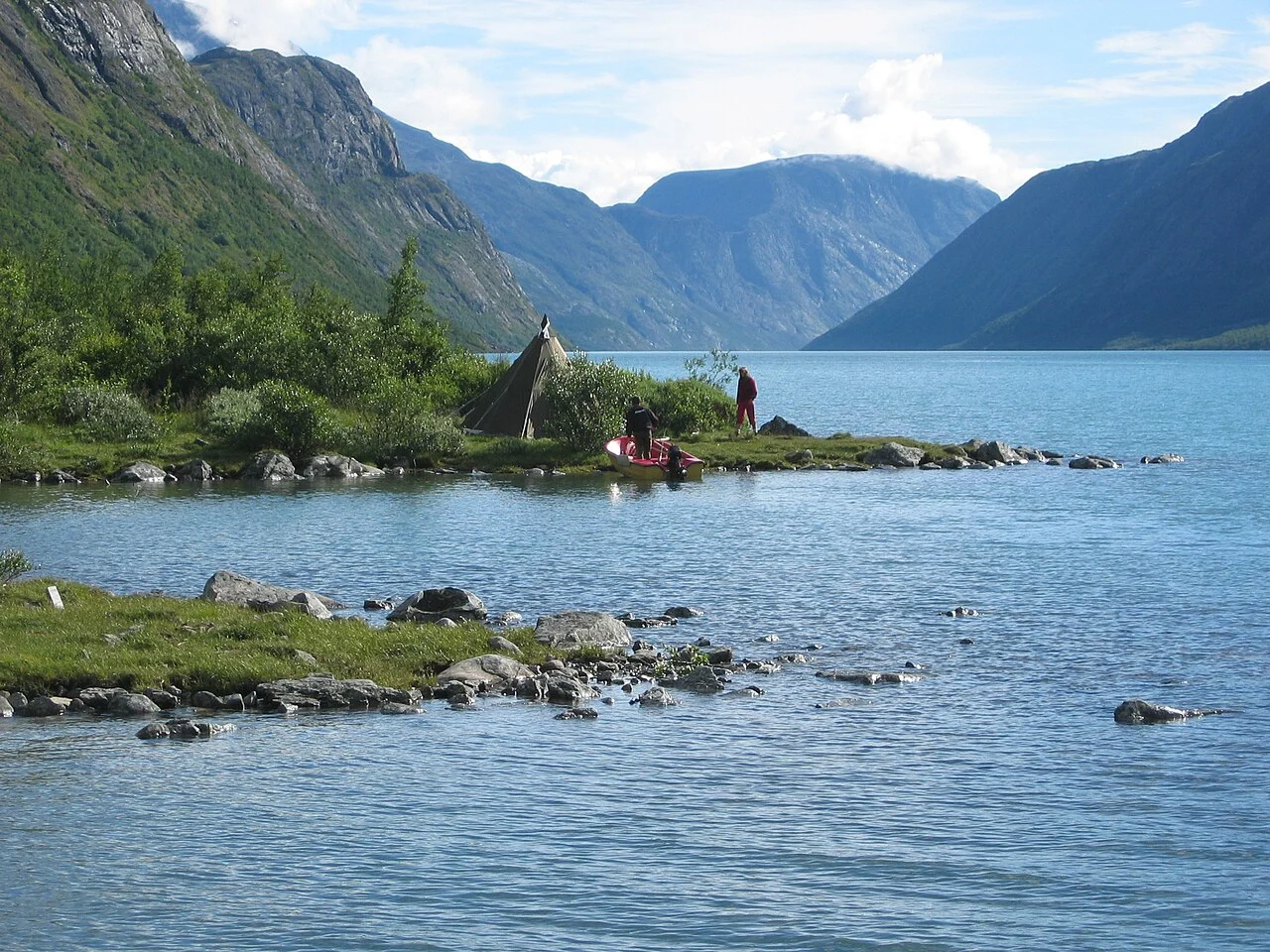
The usual rule is to obtain the landowner’s permission before staying more than two nights in the same place. Exceptions can apply in mountains and remote, sparsely populated areas. Local restrictions may still apply. A busy trailhead close to cabins needs a different judgement from remote mountain land.
One night is plenty for a first trip. Spend time learning how long setup and packing take, how warm your sleep system feels and whether your plan for water and waste works. That experience helps you decide how much ground to cover on a later trip.
For two nights, decide whether you will move or use a campsite as a fixed base. Check any local limit before relying on the general rule. If you need to stay in one location longer, verify permission or book a site that allows the duration you want.
4. Read signs and protected-area rules
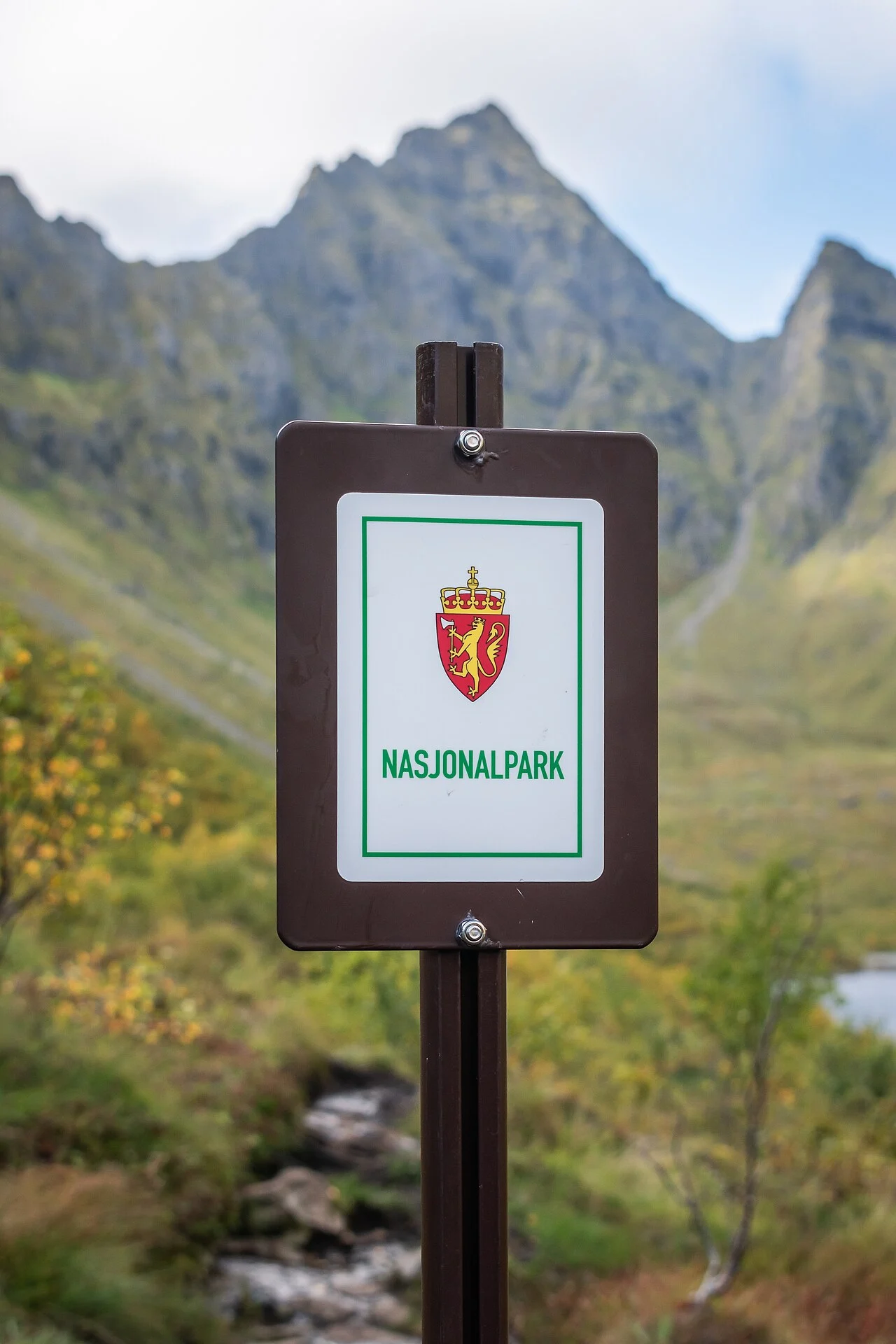
Nature reserves, popular visitor sites and some municipalities have rules that affect where camping is allowed. Restrictions can protect vegetation, wildlife or local access. An image of a tent at a viewpoint offers no evidence that pitching there is permitted on your date.
Check signs near entrances, car parks and paths. Read the map boundary and the relevant rules, since the restrictions may apply only to a specific area or season. If a marked route crosses a sensitive site, continue to a suitable area rather than assuming permission follows the route.
Check with the municipality or protected-area manager if the information is unclear. Make a campsite booking during busy periods when you need certainty. Allow time to relocate after checking signs. Our Norway destination guide helps choose a wider base.
5. Choose a durable, sheltered pitch
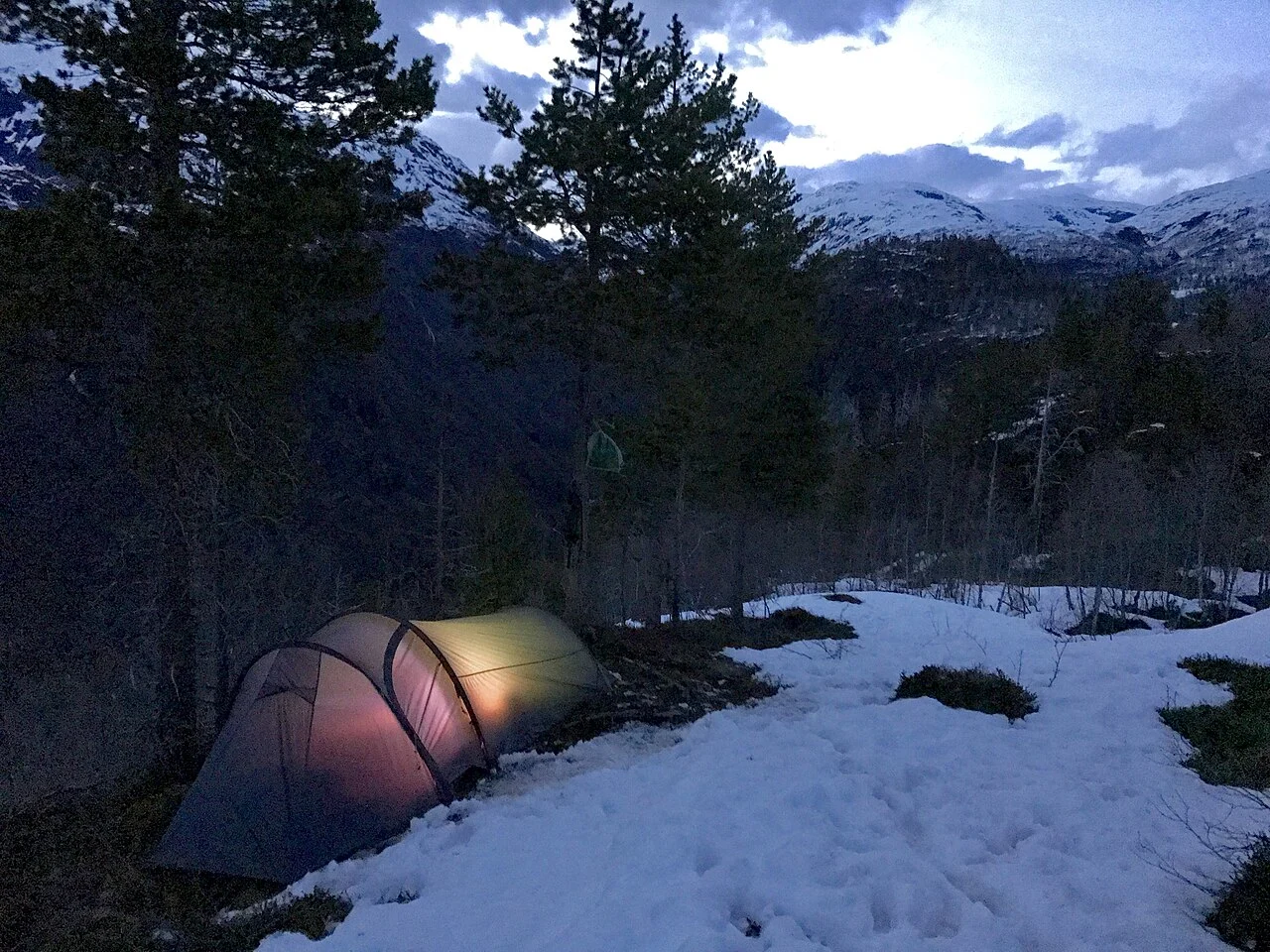
Look for a level surface that will drain well and can hold the tent securely. Avoid fragile vegetation, steep slopes and channels where rainwater could collect. Near the coast, consider the tide and the actual wind, and stay away from cliff edges and exposed ground.
Inspect the area around the tent before setting up. Think about what happens if wind shifts or rain lasts all night. Give livestock space and keep access paths clear. When multiple groups are present, maintain enough distance that you can each talk quietly without disturbing others.
Plan to arrive early enough to inspect the ground and pitch in daylight. Bring equipment suitable for the forecast and keep a dry layer accessible. A staffed campsite can be worth its fee when rain or wind exceeds what your group and equipment are ready for.
6. Check fire restrictions
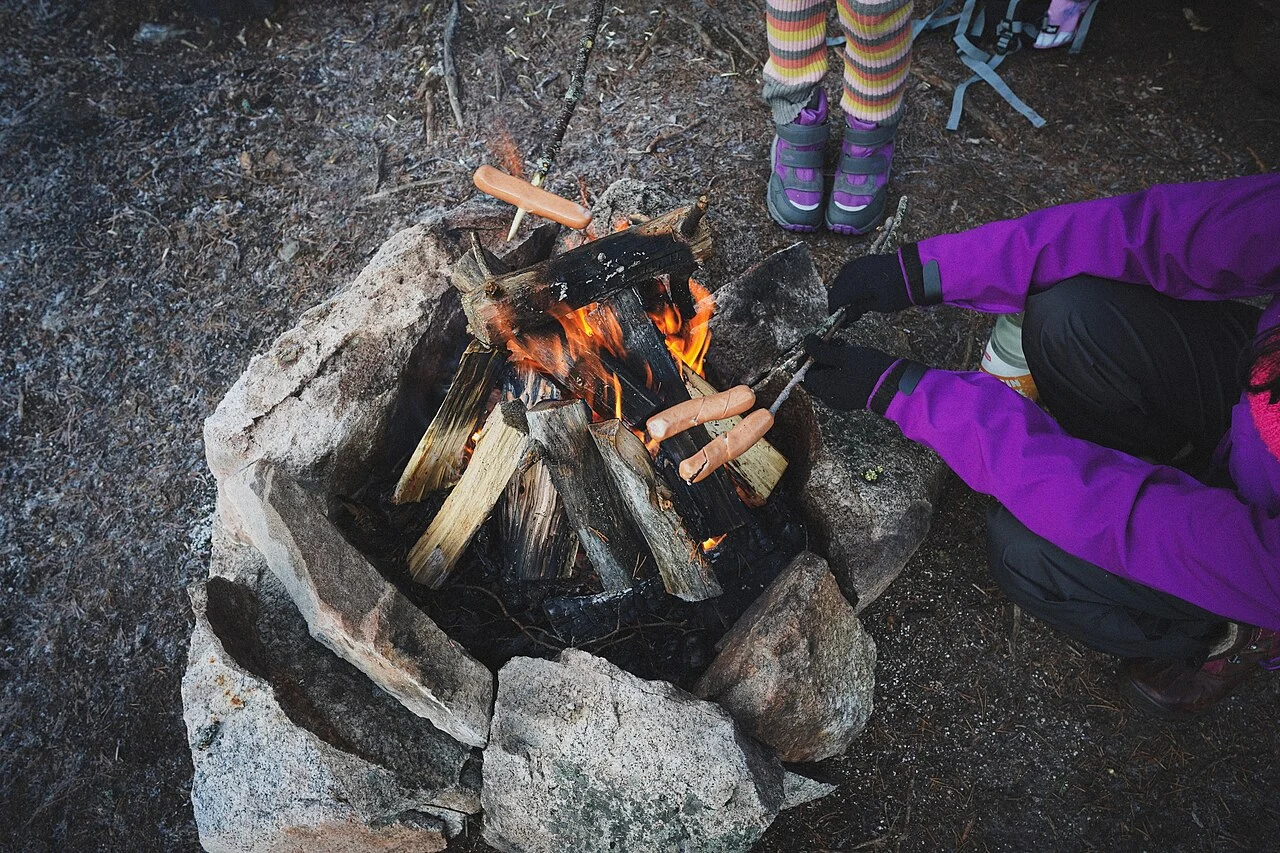
Norway has a general ban from 15 April to 15 September on campfires and barbecues in or near forest and other uncultivated land, subject to the official exceptions and local rules. Municipalities can impose stricter restrictions. Even outside those dates, everyone has a duty to avoid causing a fire.
Choose a meal that works without an open flame, then treat any permitted cooking arrangement as optional. Check the rules for a stove as well as a campfire. Dry vegetation, exposed wind and local restrictions may affect the decision even when the date seems to fall outside a general ban.
Read the current municipality and fire service advice on the day. Pack a cold meal and enough food for a delay. Use a staffed site or eat before setting out if you are uncertain about permission. Never leave an allowed fire unattended or leave embers behind.
7. Plan water and sanitation
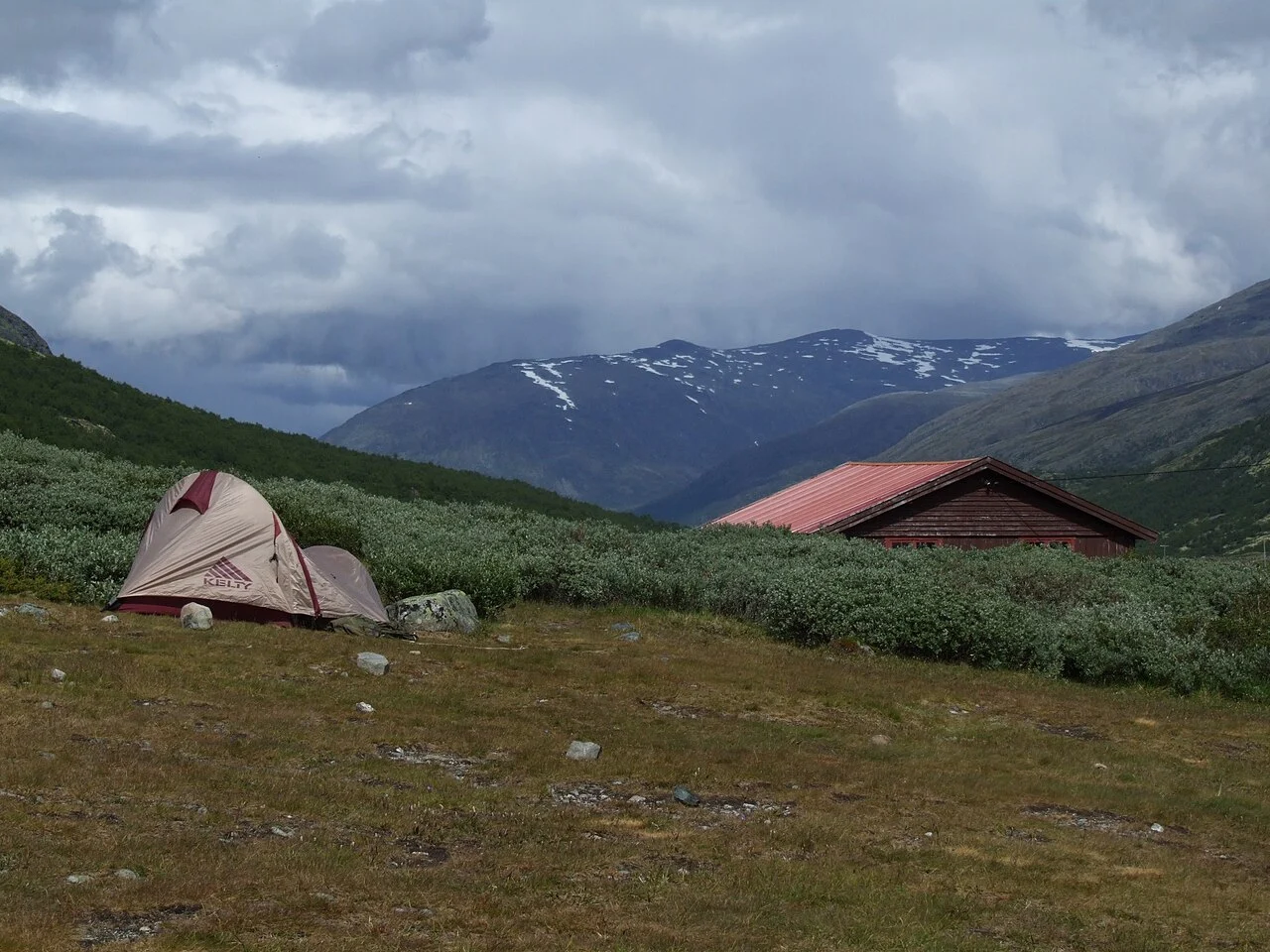
A river or lake on a map tells you that water may be nearby, but it does not establish potability or safe access. On a short first outing, carrying drinking water from a known supply may be simpler than relying on a stream that could be low, cloudy or affected by livestock.
Find a toilet before you start where possible and use facilities along the route. Carry a bag for paper, hygiene supplies and any rubbish, and follow local sanitation guidance. Keep food and wastewater away from drinking-water sources and leave the area as clean as you found it.
Check where to refill and dispose of waste before setting out. If your route depends on a water treatment system, know how to use it and have enough water to reach an alternative. Budget for a campsite with water and toilets on a longer trip.
8. Separate tent access from vehicle parking
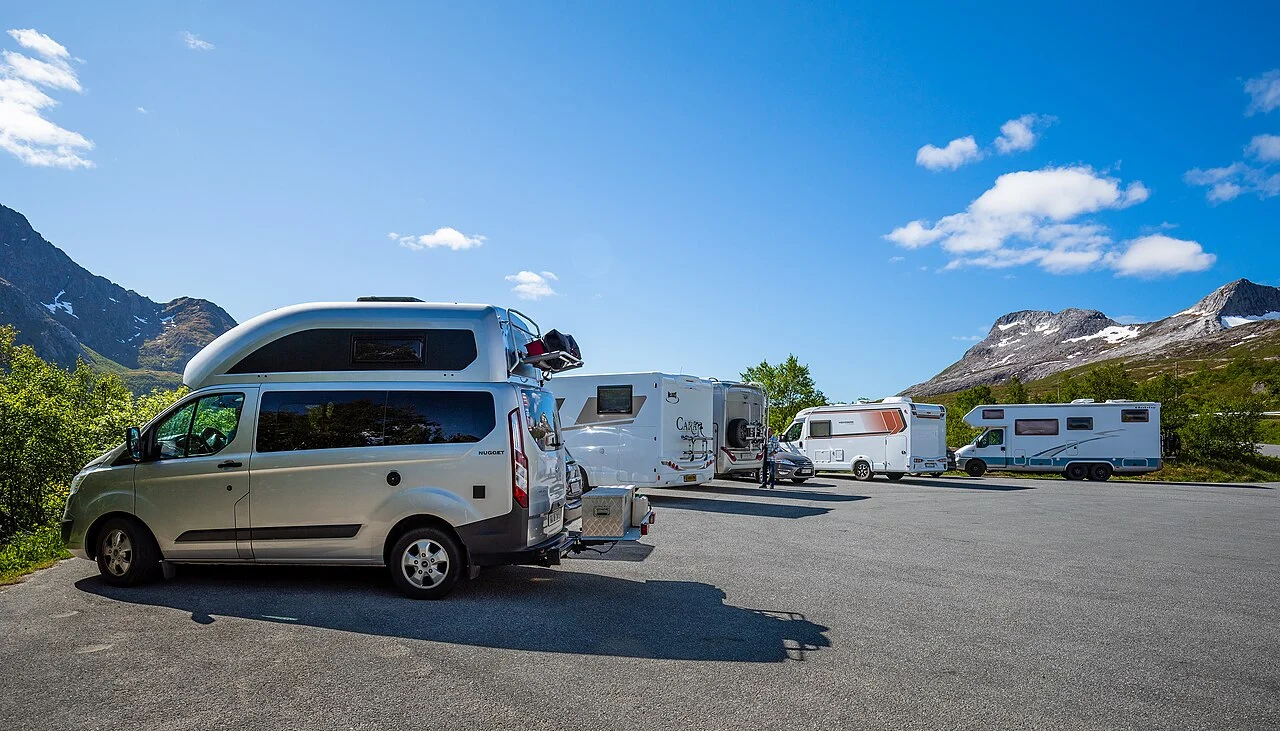
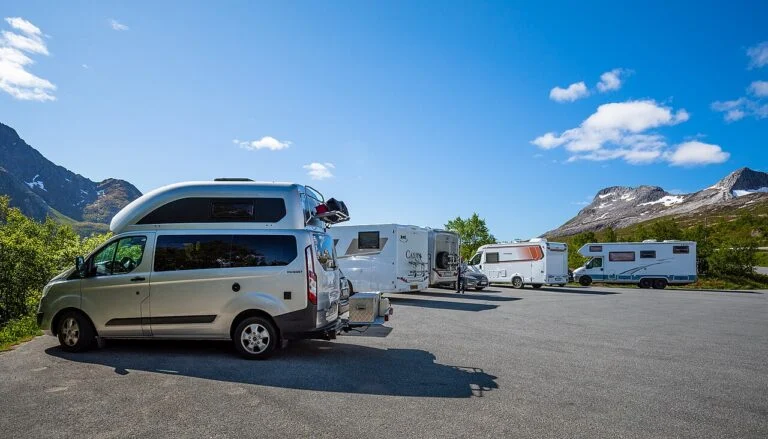
The right to roam does not grant a right to drive across land or park anywhere you can fit. Motorhomes, vans and caravans need a place where vehicle use and overnight stopping are allowed. For tent camping, organise a lawful place to leave the vehicle and continue on foot.
A roadside viewpoint may be meant for short visits and may have overnight restrictions. If travelling without a car, the main constraint is often the last return service. Choose a route that you can shorten and walk back from if the planned site is unavailable.
Verify signs, parking fees and permitted duration. Save any payment method and check the return timetable before starting. If travelling through western Norway, our Voss guide offers ideas for a town base while you plan the actual overnight separately.
9. Pack for the overnight conditions
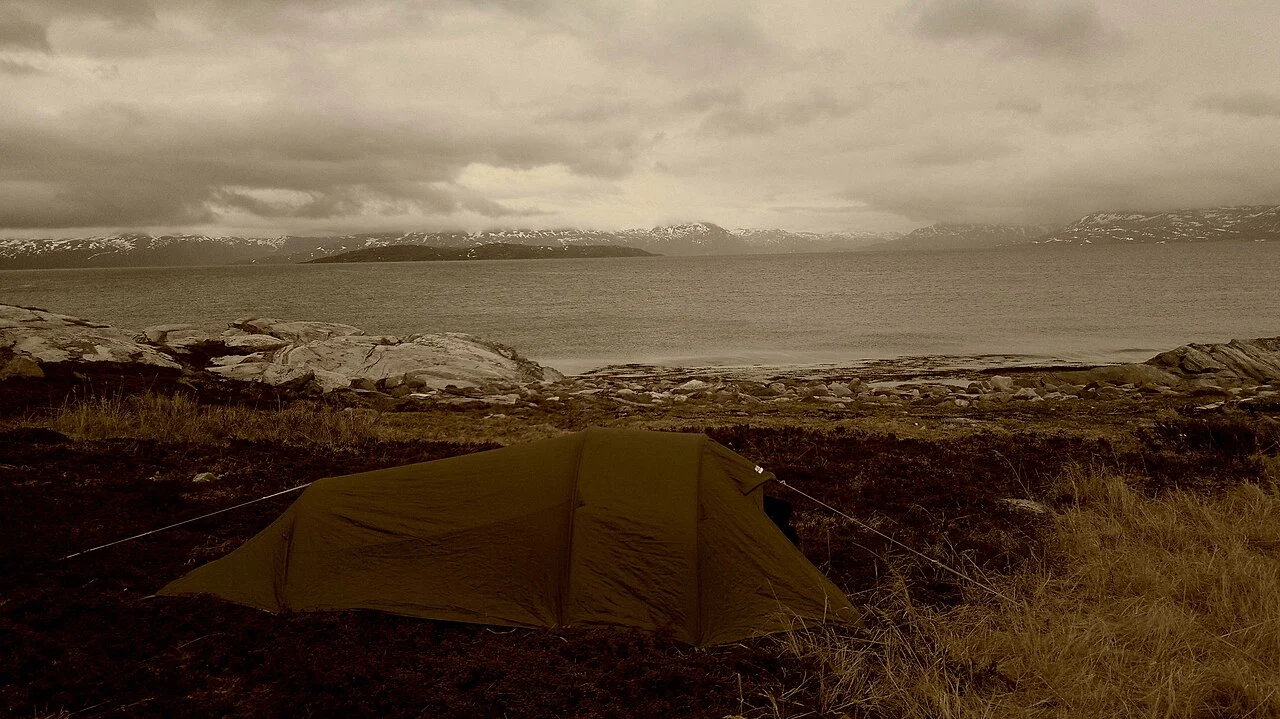
Choose a shelter, sleeping bag and insulated mat suited to conditions at the actual site. A warm afternoon in town may be followed by a cold night higher up. Consider wind, rain and your ability to keep the sleep system dry during the walk.
Pack a dry change of clothes, waterproof layers, navigation, a headlamp and adequate food. Test unfamiliar equipment somewhere you can correct problems easily. Pay attention to the weight of carried water and check whether everyone can manage their load on the return.
Check the forecast again shortly before departure. Allow an hour or more at the end of the day for setup, food and any adjustment to the site. Tell someone your route and expected return. If you are new to the equipment, make a short overnight from a staffed site or easy trailhead first.
10. Leave with everything you brought
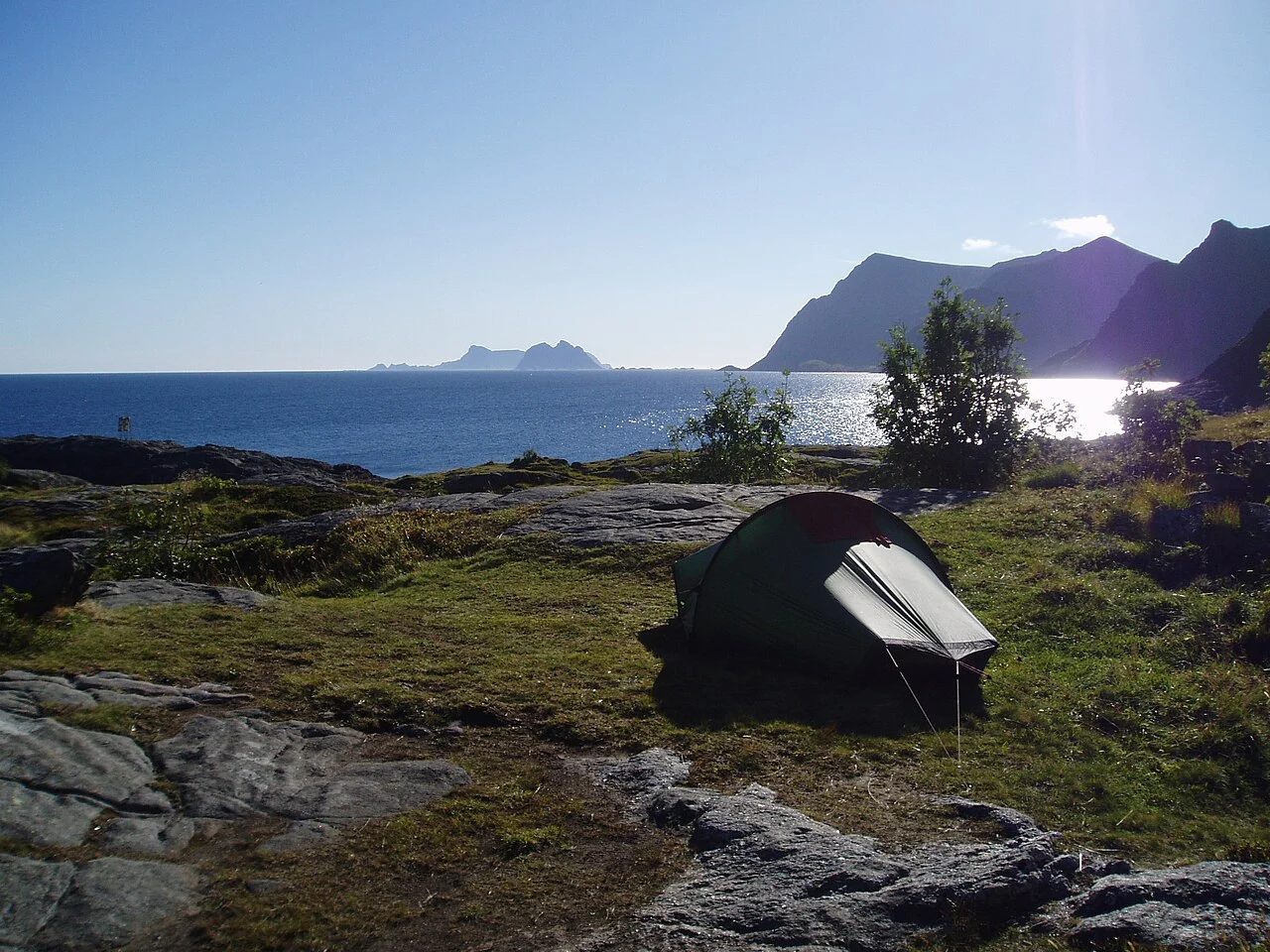
Look for pegs, litter and food scraps before moving on. Walk around the site once after packing. Do not dig trenches, cut vegetation or move furnishings from public rest areas. A site that looks undisturbed is better for wildlife and for the next people who walk through.
Leave quietly if others are nearby and close gates where required. Keep a dog under control and check leash rules. Give breeding birds and grazing animals space, even when a closer position would make for a better photo. A suitable camp is one that lets you pass through with little disruption.
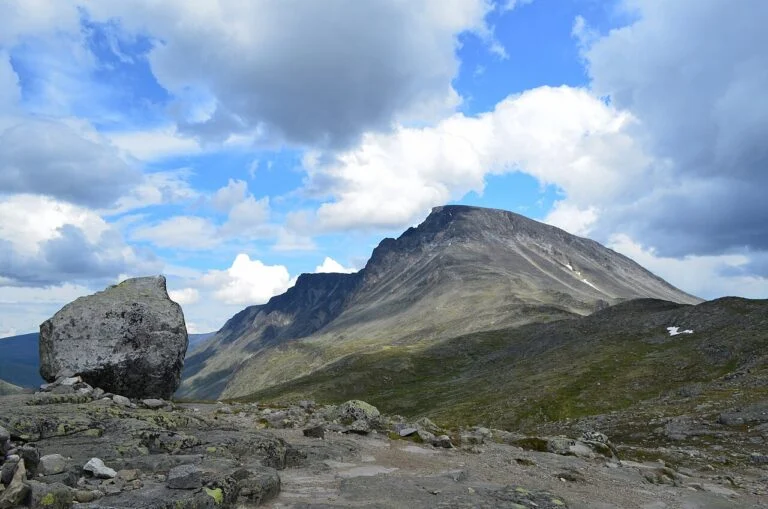
Build time for a careful morning pack and a verified disposal stop. If the trail is wet, stay on a durable surface where possible. Our Besseggen and Jotunheimen guide helps place an overnight within a mountain trip, with local rules checked separately.
Wild camping in Norway itineraries
1-day itinerary
For a first overnight, collect water and check rules in the morning. Walk a short route from a verified trailhead in the afternoon and pitch well before dusk. Eat without a fire if restrictions are unclear. If the pitch is unsuitable, return to a booked or confirmed campsite that evening.
2-day itinerary
On day one, travel in the morning, check a second option before setting out and pitch in the afternoon. Spend the evening close to camp. On day two, pack after breakfast, walk out with time for an afternoon connection and take a local meal before continuing. Move to the campsite if weather deteriorates.
3-day itinerary
On day one, arrive and test your gear at an established site. On day two, walk to a suitable wild pitch in daylight, with a clear exit and water plan. On day three, pack early, return to the transport hub in the afternoon and leave in the evening. Use the established site again if winds, rain or local restrictions make the wild overnight unsuitable.
Wild camping in Norway travel tips
Check national rules and any municipal or protected-area notices before choosing your pitch. Save the relevant map, parking instructions and emergency information offline. If you need permission, obtain it before setting out rather than expecting to find the landowner at dusk.
Compare the cost of carrying all gear, using public transport or renting a vehicle. Add an established campsite as an option. Bring warm layers, food and a backup meal that can be eaten cold. Make your onward timetable flexible enough to pack in daylight.
Choose the trip around the weakest weather margin. Norway’s coastal wind, mountain rain and changing daylight can make a short trip slower than expected. If transport or conditions change, shorten the route and use a confirmed place to stay.
Related planning
Destinations for your trip
Frequently asked questions
Can I camp anywhere in Norway?
You can tent camp on suitable uncultivated ground when the right to roam applies and local restrictions allow it. Check the rules for the specific place.
How far from a cabin must I stay?
The general minimum is 150 metres from an inhabited house or cabin. Check for any applicable local rules.
How long can I stay?
The general rule is two nights at one site without permission. Exceptions can apply in mountains or remote, sparsely populated areas.
Can I sleep in a vehicle?
Only where vehicle use and overnight stopping are permitted. Check signs, landowner rules and local regulations.
Can I light a fire?
Check national dates, local restrictions and current fire risk. Plan for food you can eat without a fire.
How much does an overnight cost?
An eligible wild pitch generally has no campsite fee. Budget for gear, transport and a paid backup with facilities if needed.
Conclusion
Plan an overnight around legal ground, enough daylight and a reliable way out. A short, well-prepared first trip makes it easier to choose a longer one later.
Official sources and current conditions
Check operators and official visitor sites for current prices, opening hours, departures and booking requirements.