Ice Climbing in Norway: 10 Tips for a Rjukan Trip
Ice climbing in Norway can start with a guided waterfall session in Rjukan. Compare courses, equipment, access and weather options before arranging a winter trip.
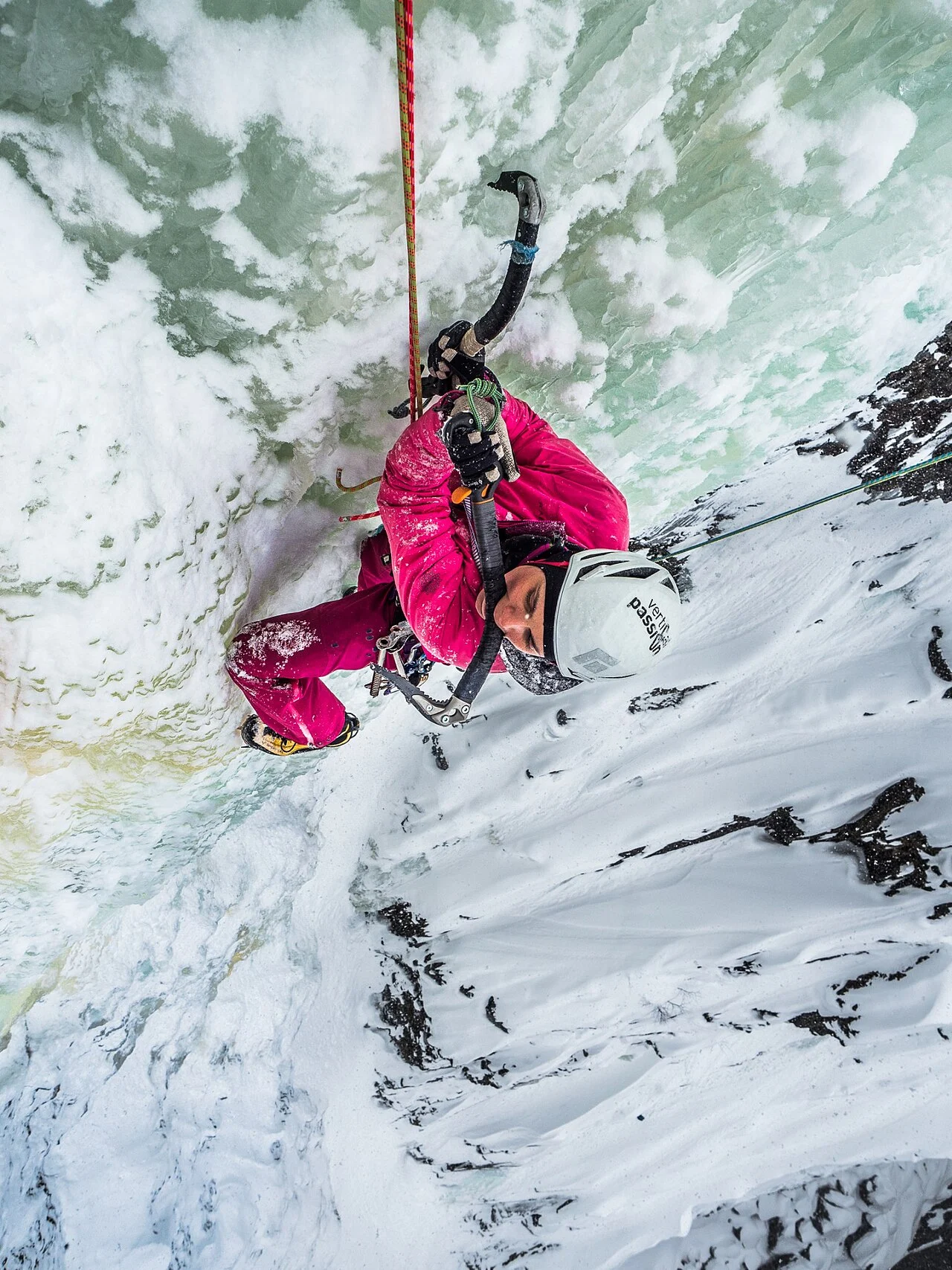
At a glance
- Worth it? Yes if you want supervised climbing and are comfortable spending time outdoors in the cold.
- Time? Reserve a half-day or full daylight block as advised by the provider.
- Season? Choose a winter course and confirm current ice conditions.
- Cost? VisitRjukan lists one guided option from NOK 2,250.
- Transport? Confirm the meeting point and travel to the venue.
- Priorities. Choose the right level, confirm equipment and leave a weather buffer.
1. Choose the right introduction to ice climbing in Norway
Rjukan is a practical place to try winter waterfall ice with a guide. The town lies in a steep Telemark valley, and the activity depends on which ice formations are in suitable condition. A beginner booking buys a guided experience and equipment rather than access to one named waterfall. Ask whether the provider adapts the venue to the weather, your experience and the group’s pace. If you are deciding between two courses, compare what you will actually spend the day doing.
A winter waterfall session differs from a summer glacier walk. The former introduces climbing on steep ice in a supervised setting. A glacier outing may mainly involve walking on ice with a guide, and a listing that mentions crampons does not establish that it includes climbing. Tell the operator which experience you want. Use the glacier hiking guide if the summer walking option better fits the trip you are planning.
Choose a course suited to the least experienced member of your group. Indoor climbing experience may help someone understand what a rope is for, while cold, boots and ice add unfamiliar demands. Ask whether complete beginners can join and whether there are requirements for age, mobility or stamina. A provider that understands your starting point can suggest the right length and setting. A companion who wants to watch should ask whether there is an appropriate place to do so.
2. Rjukan courses, prices and duration

VisitRjukan lists Rjukan Adventure’s guided ice climbing from NOK 2,250, with offerings for different experience levels. Ask the operator for the price for your date and group, including whether the published figure is per person and whether group size changes the total. Confirm the meeting time and the actual duration. A morning start may require you to collect equipment or meet the guide at a different place from your accommodation.
VisitRjukan also lists an introduction at Old School Hostel with equipment included and no prior experience required. Ask for a quote and confirm availability before arranging the rest of the trip. Compare who is providing the instruction and what the booking covers. A package including accommodation can be convenient, but check whether the rooms, kit and transport all appear on your confirmation. Compare packages by their total cost, including transfers and any kit you still need.
A shorter introduction works well if you want to find out whether you enjoy the activity. If learning is the focus of your trip, ask about a second day that builds on the first. Two sessions mean more time on the ice and a higher cost, and they may suit people with different goals from someone who wants a single holiday experience. Ask what happens if the guide changes the location, shortens the session or cannot run it at all.
3. Season and conditions in the valley
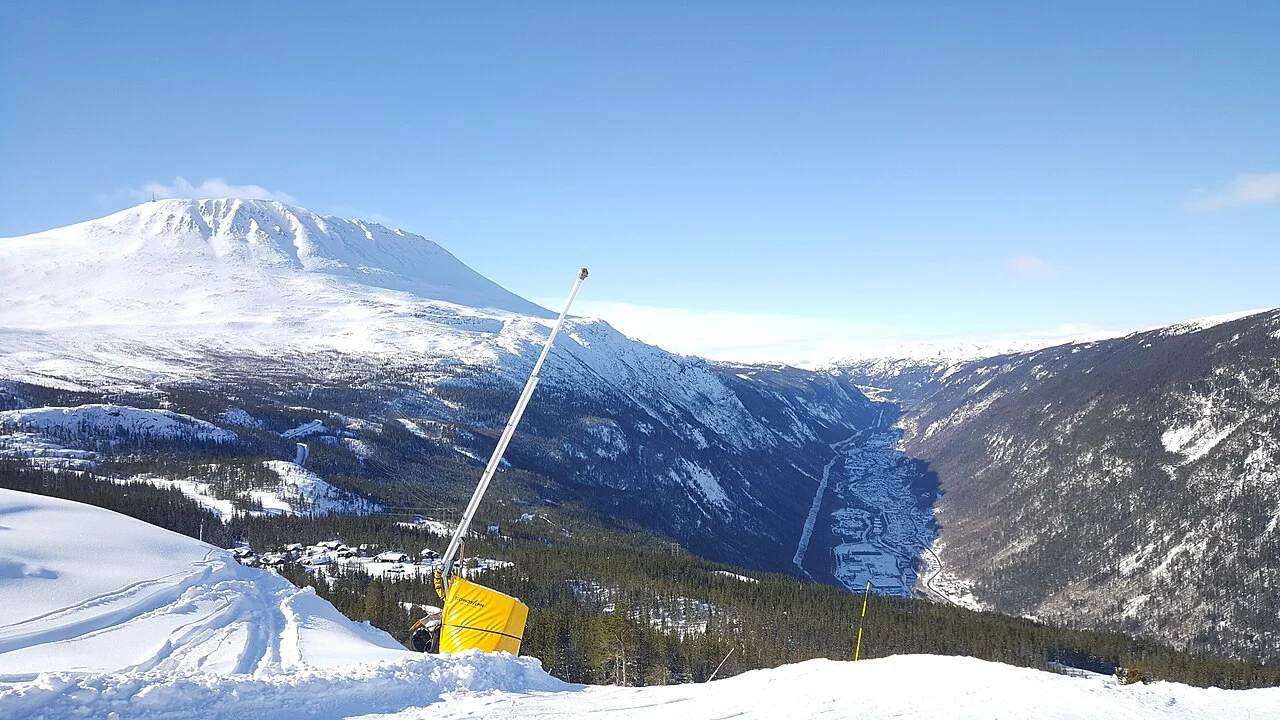
Waterfall ice forms and changes with the weather. Look at winter availability, then use the guide’s advice for the actual dates. A listing showing a course in December or March is a starting point for enquiries. Warm weather, new snow or rapidly changing conditions can affect which venues are suitable. The guide may choose a different formation from the one shown in promotional photographs. If a particular scene is your reason for booking, discuss that expectation before paying.
Daylight is also part of the schedule. Ask how much of the day is spent approaching, fitting equipment and climbing. In a deep valley, direct sun and usable daylight are different things. Bring layers for time between climbs and ask the guide what kind of warm breaks are possible. If your group has mixed tolerance for cold, choose a shorter session and keep a local afternoon activity available.
Plan an indoor alternative in Rjukan. The Norwegian Industrial Workers Museum at Vemork provides a different perspective on the valley and its industrial history. Check the museum’s hours, admission and winter access before relying on it. If you are travelling for ice climbing alone, allow two nights or build a spare half-day into your stay. A flexible booking helps when the guide changes the start, while an extra prepaid tour can make the day harder to rearrange.
4. Transport, accommodation and booking order
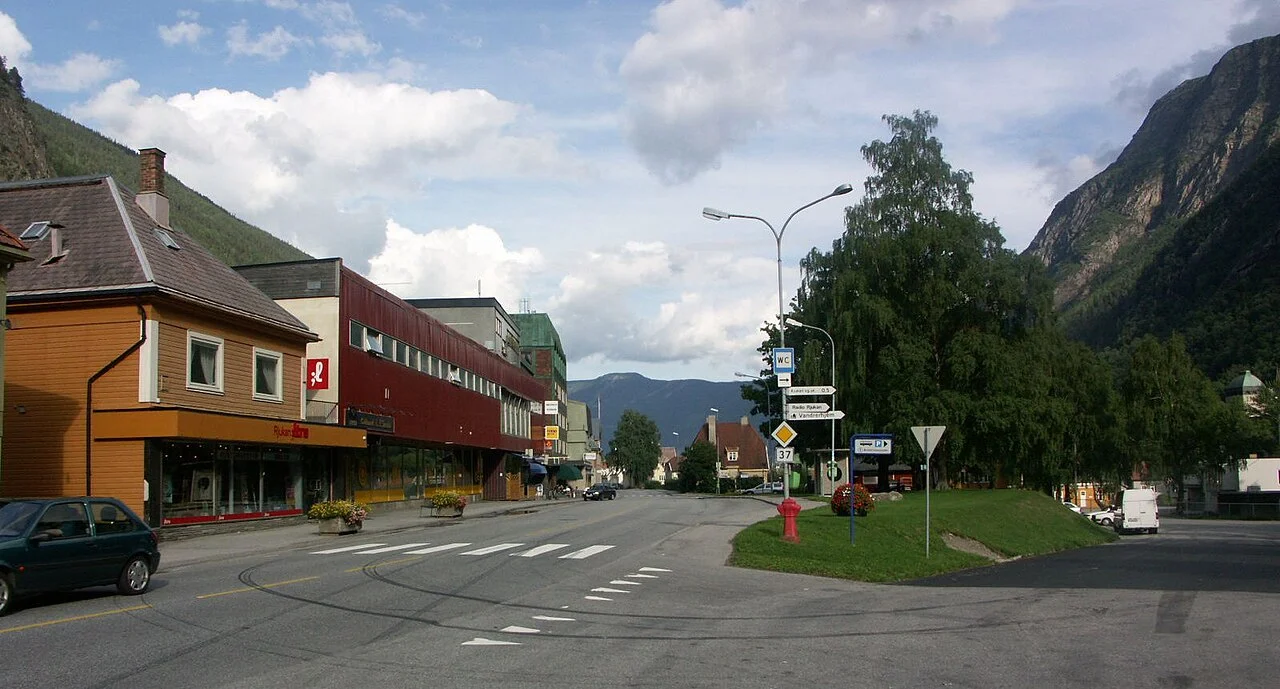
First agree on the likely meeting point with the course provider. Then choose accommodation and transport. A room in Rjukan can make sense if you want restaurants or a fallback in town. Lodging near the provider may be simpler if you will collect gear early. In either case, ask whether you will be driven to the climbing venue or must provide your own transport. The office address and the ice venue can be different places.
If driving into Telemark, check road conditions before you leave and leave time for slower winter travel. Use the official traffic service and look at your route back as well as the approach. For a car-free trip, use a current journey planner and ask the guide whether pickup can be arranged. Check the last connection before paying. A room that looks close to the meeting point on a map may involve a walk on icy pavement carrying equipment.
Reserve the guide when your dates are reasonably firm, then read the cancellation terms for both the course and lodging. Ask what happens when the provider has to make the weather call. A shift to another day may work if you are staying for a weekend. It is harder when you have a train, flight or different hotel booking immediately after the session. If travelling with a group, have the organiser confirm headcount, shoe sizes and experience levels while there is time to adjust.
5. What to bring and how to assess suitability
Ask for a list of equipment the guide supplies. The booking should make clear whether suitable boots, crampons, harness, helmet and tools are included or need arranging separately. Confirm available boot sizes and any clothing requirements. If you use specialist footwear or need an unusual size, contact the provider before choosing dates. Equipment fit matters more than buying new kit for a single session. Check whether the provider wants you to bring any personal equipment you already own.
Dress for periods of low activity as well as climbing. Bring food and water, layers appropriate to the guide’s advice and spare dry gloves if recommended. Ask where you can change and how much kit you will carry on the approach. Your course may involve standing outside while others take turns. A small group can offer more instruction time, while a longer group day can mean more time waiting. Ask how groups are organised and whether participants can shorten their session if necessary.
Let the guide choose the venue and explain local safety procedures. Ice quality, falling ice and the approach terrain can change within a day. Treat an online route description as background for deciding which course to book. If you are new to ice, practise only in the setup and location selected by the guide. If you are travelling with an experienced friend, ask the guide to match expectations so everyone knows whether the booking focuses on first attempts, coaching or another objective.
6. Practical decisions for groups and longer trips
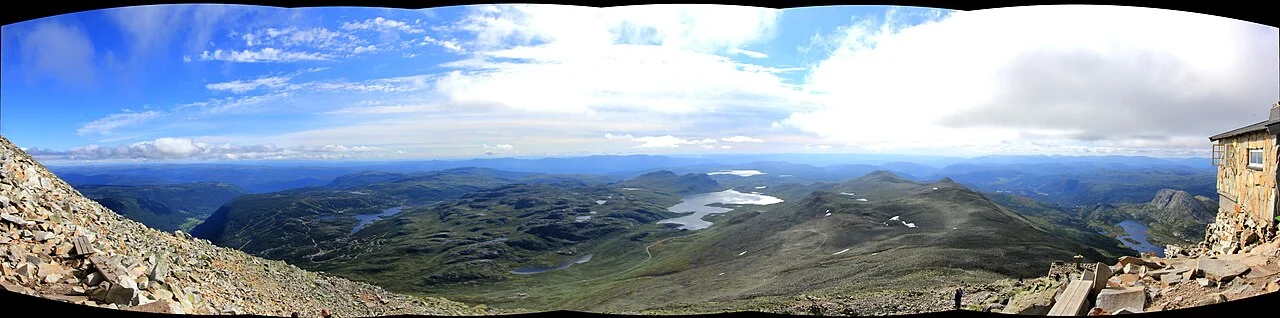
A group with different goals should agree on a course objective before booking. If one person wants intensive coaching and another wants a brief first climb, ask whether a private session can accommodate both or whether separate activities would work better. Compare the price of a private session against several group places, and check the maximum number of participants. The price alone says little about how much instruction each person receives.
If you want a second winter activity, leave a gap between bookings and confirm its access independently. Use the snowshoeing guide to decide whether a gentle guided outing would suit the group. The Norway road trip guide can help you place Telemark within a wider trip, though winter road and daylight checks still apply. Avoid assuming a summer driving itinerary transfers directly to winter.
Before departure, save the guide’s number, the accommodation address and the time you are expected to arrive. Ask whether the operator will contact you about a venue change or whether you should check in. Confirm opening hours for meals and any rental shop you plan to use. If the course is your priority, plan around the instructor’s best window and leave room to adjust the rest of the day.
7. Book a first lesson with a guide

Rjukan has several guiding options. A beginner session puts equipment fitting and site choice in the same booking.
Ask how much time is spent practising at ground level and what experience participants need. This is useful when the party includes people who have never worn crampons.
Confirm the duration, guide ratio, price and equipment before travelling. Make the first lesson the main event of the day.
8. Compare private guiding and a group course
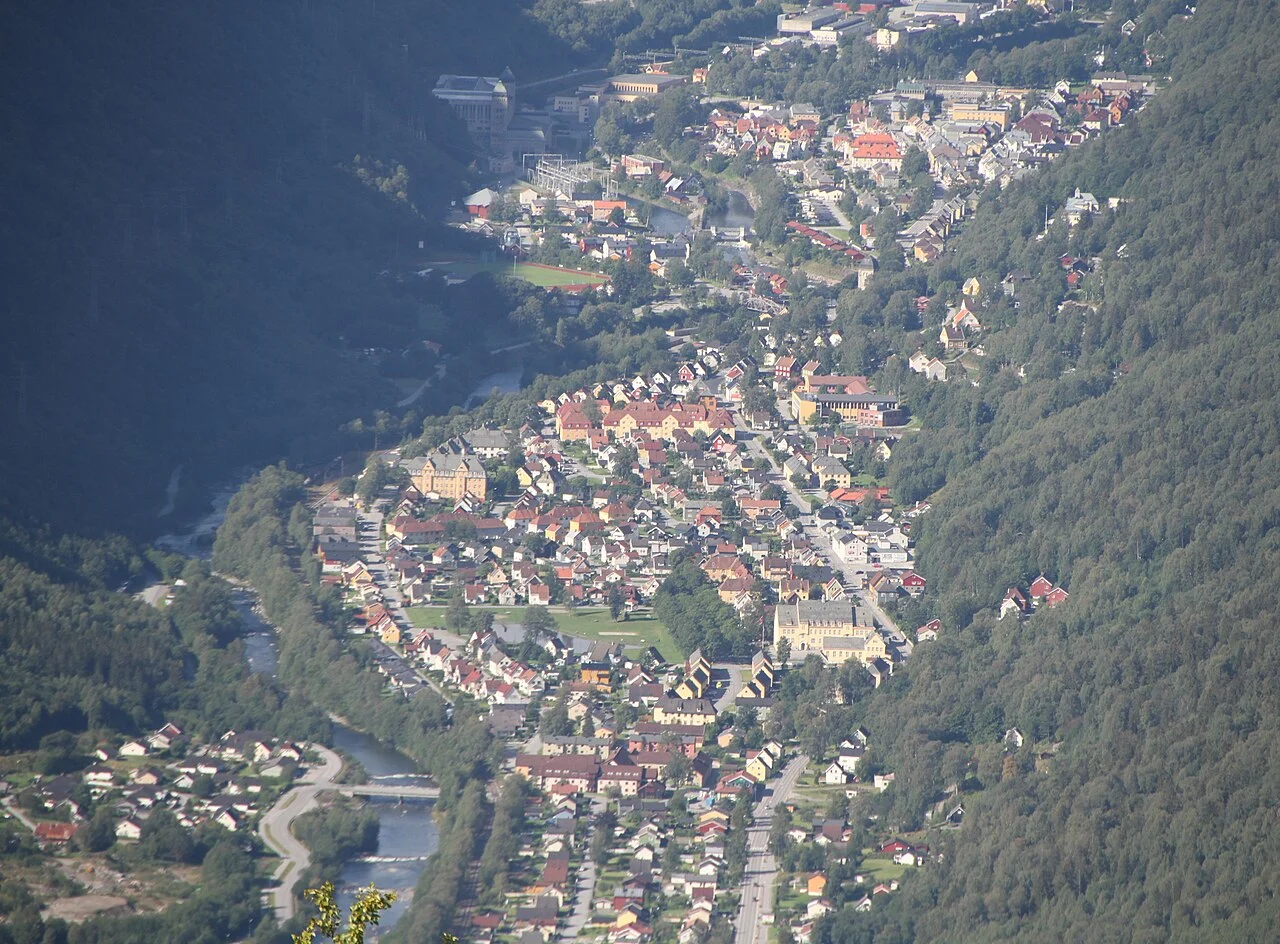
A private day gives an individual or pair more scope to tailor the pace, while a scheduled group can be a better fit for a fixed budget.
Tell the provider how recently you climbed and what you want to work on. Ask how a change of route would affect the climbing time and transport.
Confirm the full rate, guide qualifications and exact meeting point. Check which costs are per group and which are per person.
9. Use Gausta as a separate winter base
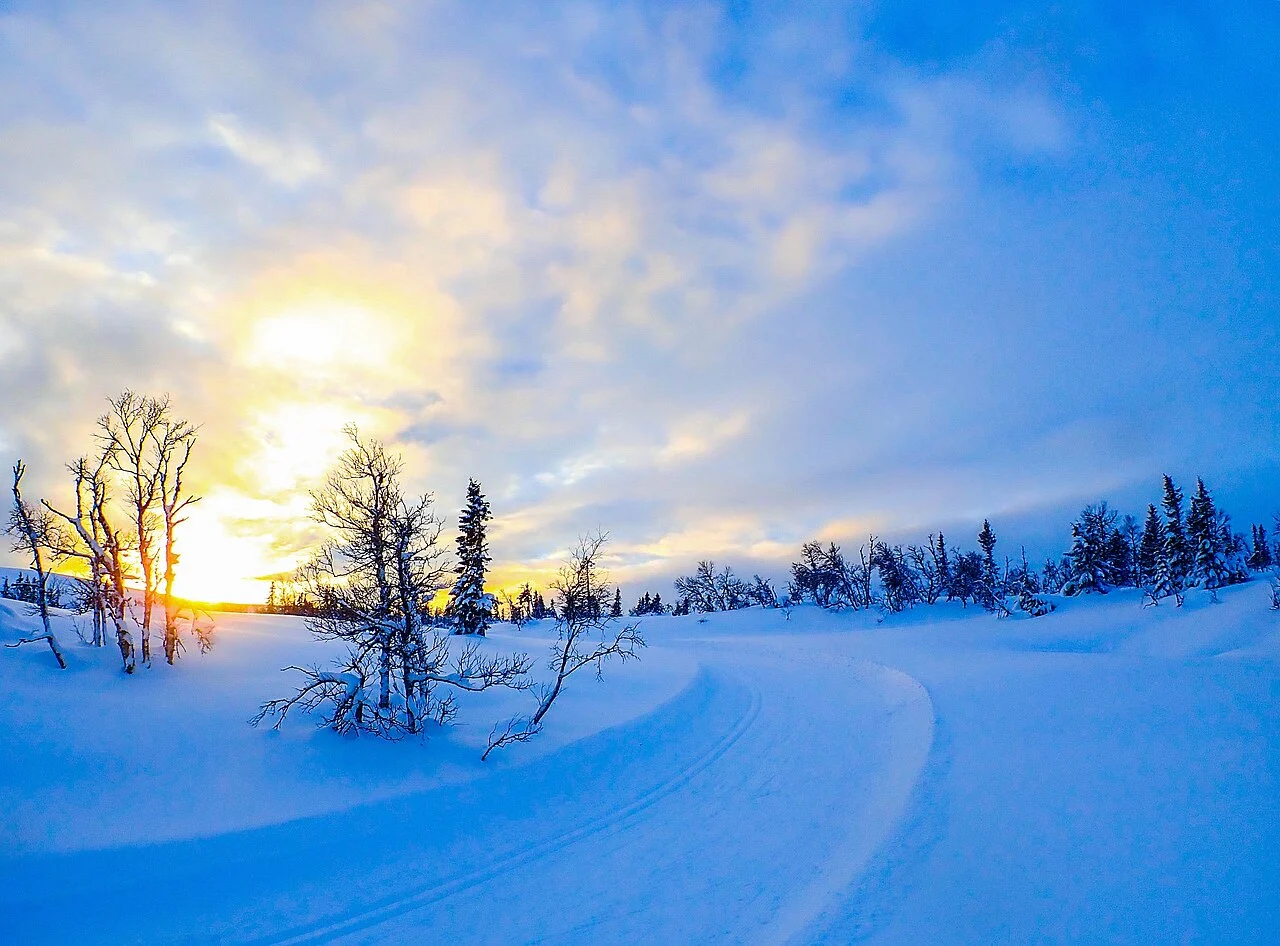
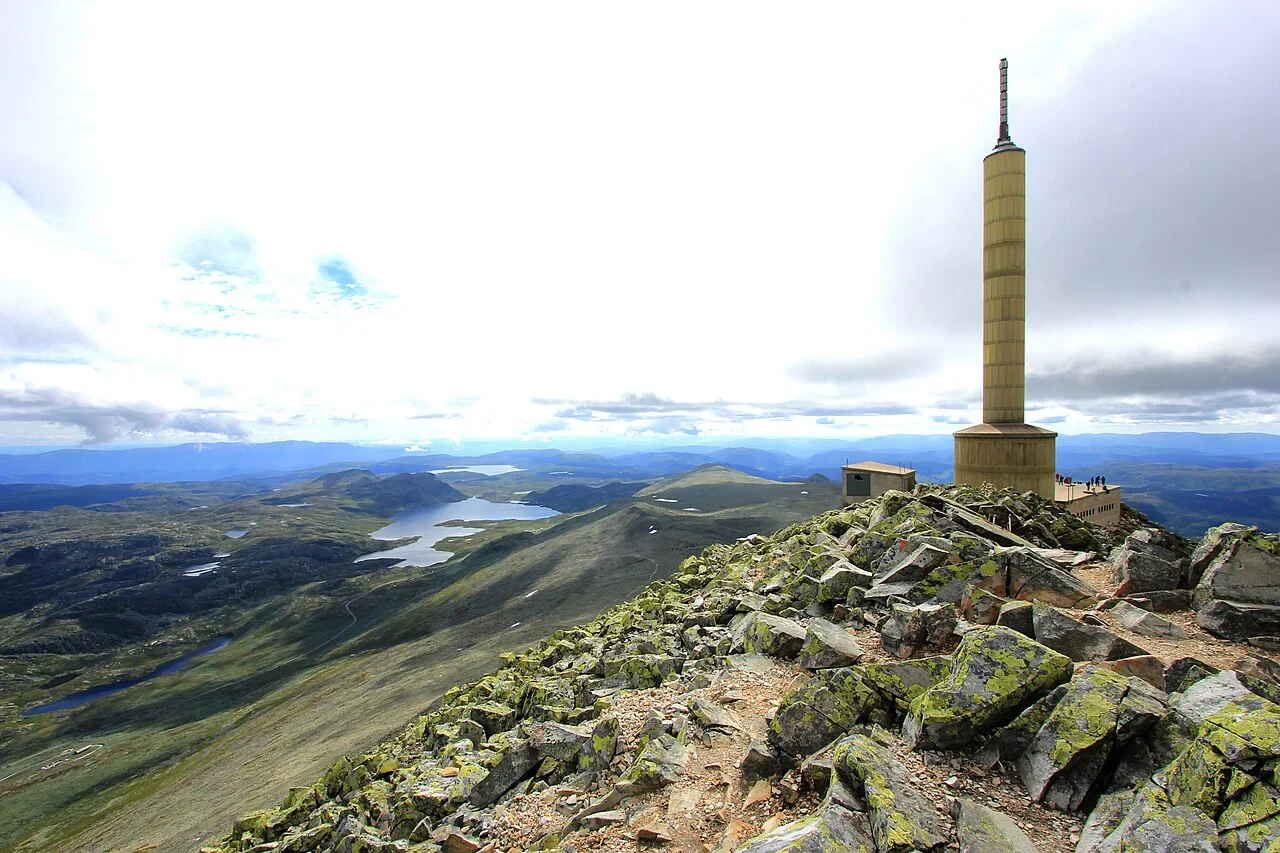
A stay near Gausta gives a mixed group its own options when only some travellers want to climb in the valley.
Discuss the transfer and return before splitting up the group. A slope or sightseeing plan should have time to work on its own if the climbing session moves.
Ask about winter road access and add the cost of each activity separately. Do not use a lift or transport product before checking its seasonal hours.
10. Set aside a Rjukan weather day
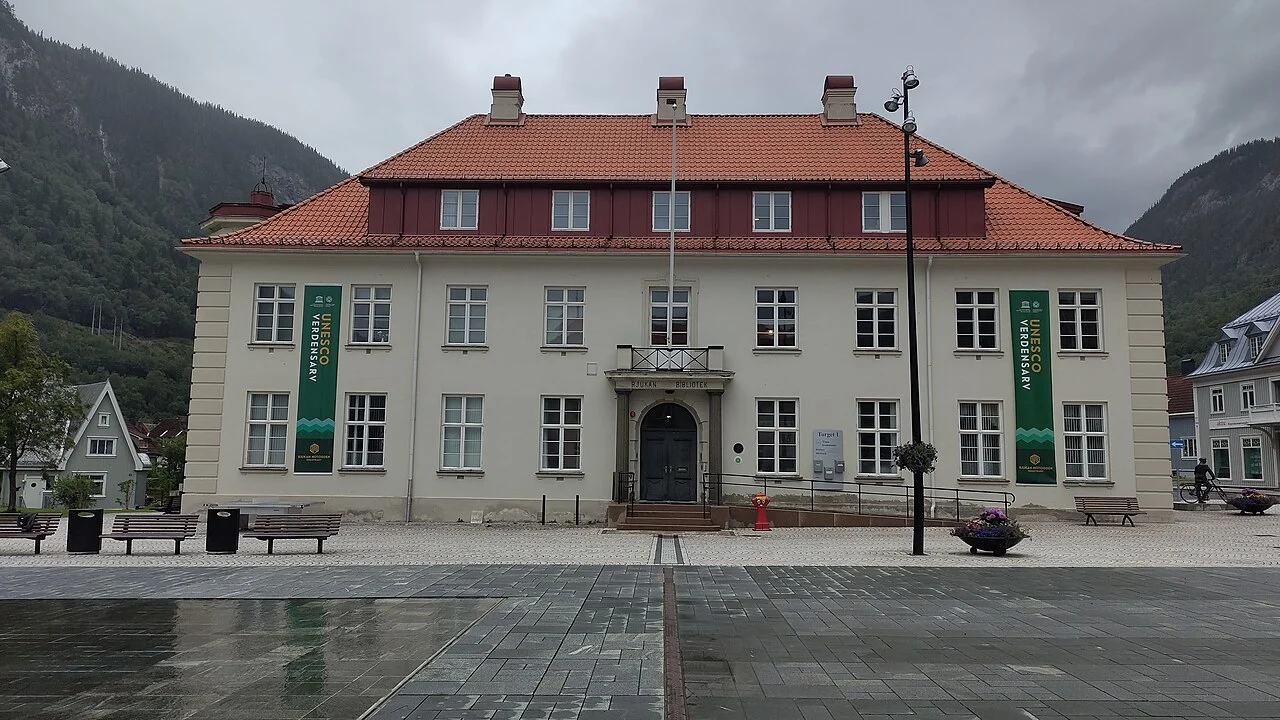
The condition of frozen routes changes. A second day gives you space to move a lesson and still enjoy the area.
Keep a town or indoor plan available. Use the guide’s judgment when conditions change and ask what the booking permits before rearranging the rest of the day.
Confirm hours and admission for your alternative. Add travel time before any onward booking and avoid using the weather day as an inflexible transfer day.
One-, two- and three-day itineraries
One day from Rjukan. Arrive the previous evening if the course starts early. Have breakfast, meet the guide and reserve the morning or the main daylight block for equipment fitting and instruction. Use the afternoon to finish the session and warm up, and eat in town in the evening. If conditions prevent climbing, check Vemork’s opening times or choose another local indoor visit. Leave a generous margin before onward transport because the exact finishing time can depend on the venue.
Two days in the valley. Use the first morning for travel and the afternoon for a short town visit or the museum, depending on opening hours. Collect equipment only if the provider confirms that it is available. Have dinner near your lodging and keep day two clear for the guided outing. If you can climb on day one, reverse the plan and use day two as a weather buffer. If driving onward after the course, check the route and avoid a distant dinner booking.
Three days with two possible climbing windows. Use day one for travel, food shopping and a local afternoon stop. Reserve day two for the introductory climb and leave the evening for a warm meal. Keep the morning or afternoon of day three available for a rescheduled session or a second lesson arranged with the instructor. If the weather makes climbing unsuitable, use that time for Vemork or a town-based visit before heading home. Check what changes are possible before booking a second instructor session.
A northern alternative: ice climbing near Tromsø
Travelling in northern Norway instead of Rjukan? Compare this beginner ice-climbing outing in the Lyngen area as a separate itinerary, checking its meeting point, equipment and conditions.
View the northern ice-climbing experience →
Check current dates, prices, meeting points and cancellation terms on Viator. Affiliate link: we may earn a commission if you book.
Related planning
Destinations for your trip
Questions and answers
Can I try ice climbing without experience?
Yes. Ask for a guided introduction and explain your group’s experience and requirements.
What does it cost?
A VisitRjukan guided listing starts at NOK 2,250. Confirm the final price and what equipment it includes.
Do I need my own gear?
Some introductory courses include equipment. Ask about boots, size availability, gloves and any other clothing or kit you must bring.
When is the best time?
Book within the provider’s winter calendar and check current ice. The guide can change venue or reschedule if conditions require it.
Can I go without a car?
Check current transport to Rjukan, then confirm how you will reach the meeting point and climbing venue.
How long should I stay?
One day works if you are based nearby. Two or three days give you more flexibility for weather and onward transport.
If you are comparing Rjukan with another region
Bergtagen Mountain Guides advertises introductory courses in several regions, including Hemsedal, Narvik and Lofoten. If your winter trip already takes you to one of those areas, ask about a course there before adding a separate journey to Telemark. Compare what each session includes and when the operator can confirm the venue. A course close to your accommodation leaves more time for a change of day and saves you from making a long winter transfer solely for the lesson.
Where you go matters less than whether the provider can offer a course that fits the group. Ask about the approach, access to equipment and how the group is supervised before choosing by scenery alone.
Make the guided session the anchor of the trip
Choose your course level, confirm the meeting point and equipment, and keep the rest of the visit flexible. In Rjukan, a well-planned indoor alternative makes it easier to accept a change in ice conditions.
Sources and further reading
Confirm current prices, schedules, access and requirements with the official sources before booking.