10 Best Things to Do in Lillehammer: Museums, Walks and Olympic Heritage
Lillehammer offers much more than a quick stop beside an Olympic landmark. Its best short-stay combination is cultural: Maihaugen, the Norwegian Olympic Museum, the Art Museum and the town’s literary connections, balanced by streets and nearby walks. The hillside setting means a route that looks short can still involve climbing, so organise the day by location and energy rather than by the order of a top-ten list. Two days allow a comfortable introduction. A third can be used for an outlying author’s home, a family attraction or a longer outdoor activity. Seasonal access matters, especially at historic houses and regional parks. This guide distinguishes central sights from excursions and treats winter activities as choices requiring appropriate conditions and equipment, rather than assuming that the whole region works the same way all year.
Lillehammer: quick answers
- Worth visiting?
- Yes, for rural heritage, Olympic history and seasonal outdoor activities.
- Time needed
- Two full days; three with a regional excursion.
- Best time
- Summer for outdoor museum grounds; winter for snow activities and indoor exhibits.
- Cost level
- Moderate to high; budget for museums, lodging and winter activities.
- Getting around
- Walk centrally and use local transport; check regional connections.
- Top priorities
- Maihaugen, Olympic Museum, town centre.
How this list was selected: NorwayTop10’s editorial choices balance distinctive places, practical access and variety for a first visit. The order is a planning guide rather than a public vote. Outings beyond the destination are identified in their descriptions; ten entries do not mean ten stops in one day.
Compare the ten options
Times are editorial planning allowances, not operator schedules. Add travel and waiting time unless the row explicitly describes a whole outing. For guided experiences, use the confirmed booking duration. See each description for terrain and seasonal restrictions.
| Place or activity | Access to plan | Time to allow |
|---|---|---|
| Spend meaningful time at Maihaugen | Walk uphill or use local transport | 3–4 hr |
| Visit the Norwegian Olympic Museum | At Maihaugen | 1–1½ hr |
| Explore Lillehammer Art Museum | Town centre on foot | 1–1½ hr |
| Visit Sigrid Undset’s Bjerkebæk | Local walk or transfer | Use the booked house-tour duration |
| Walk Storgata and the central town | Town centre on foot | 45–90 min |
| See Lysgårdsbakkene’s ski-jumping setting | Uphill walk or local transport | 1–1½ hr, plus approach |
| Follow a suitable Mesna riverside route | Choose a marked riverside route | 1–2 hr on a selected route |
| Pause beside Mjøsa | Choose the shore access and return | 45–90 min, plus approach |
| Make a literary excursion to Aulestad | Road or dated bus connection to Follebu | Half-day including travel |
| Choose a family day at Hunderfossen | Transport outside central Lillehammer | Full family day |
1. Spend meaningful time at Maihaugen
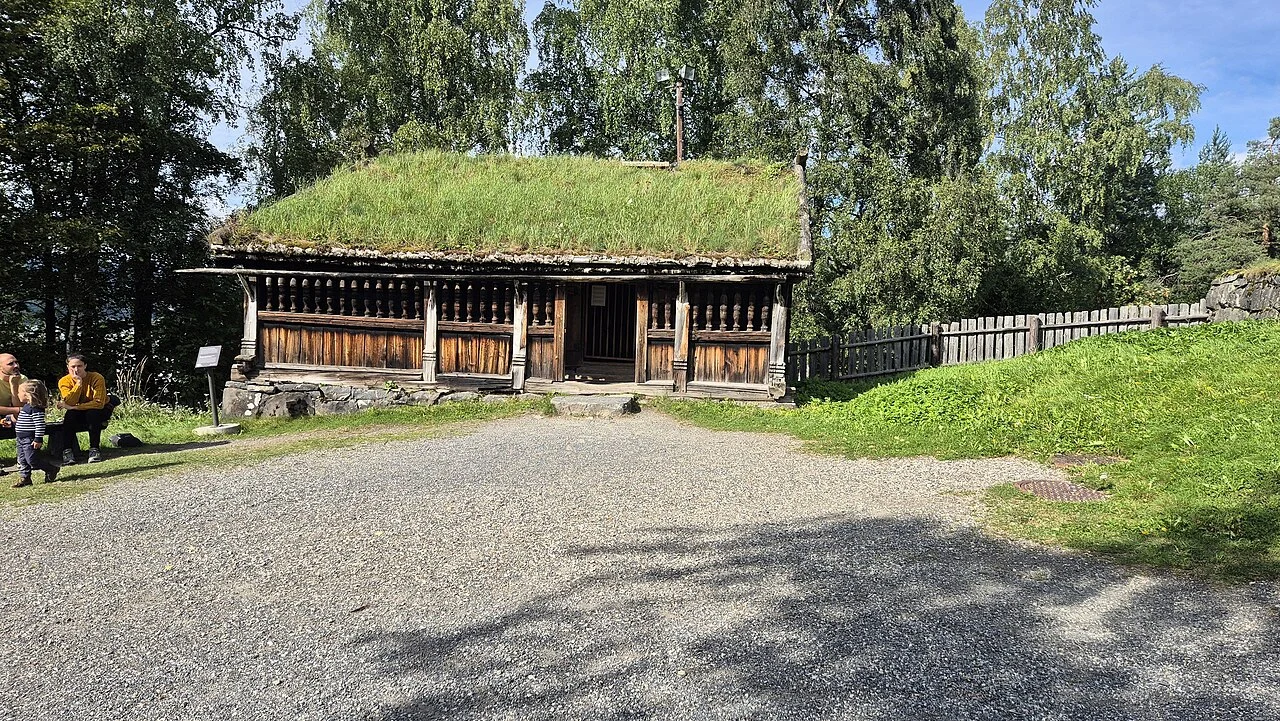
Maihaugen is a major reason to visit Lillehammer. The open-air museum presents buildings and environments that help explain Norwegian life across different periods. Give it a substantial block of time so you can look at relationships between houses, workplaces and landscapes rather than simply walking past façades.
Check the current programme for which interiors, demonstrations or activities are available during your visit. An outdoor museum has a different rhythm in different seasons, and the experience cannot be inferred from one summer photograph. Decide which sections interest you most and use them as a realistic focus.
Wear footwear suited to walking outside and bring a layer, even when the day begins pleasantly. Families should allow for breaks instead of expecting everyone to absorb historical detail continuously. A thoughtful half-day style visit is more useful than combining the museum with several distant stops in immediate succession.
2. Visit the Norwegian Olympic Museum
Verified planning detail: Maihaugen's official website states that entry to the Norwegian Olympic Museum is included in the Maihaugen ticket. Check the opening of both venues when deciding whether one combined visit fits your day. Official visitor information.
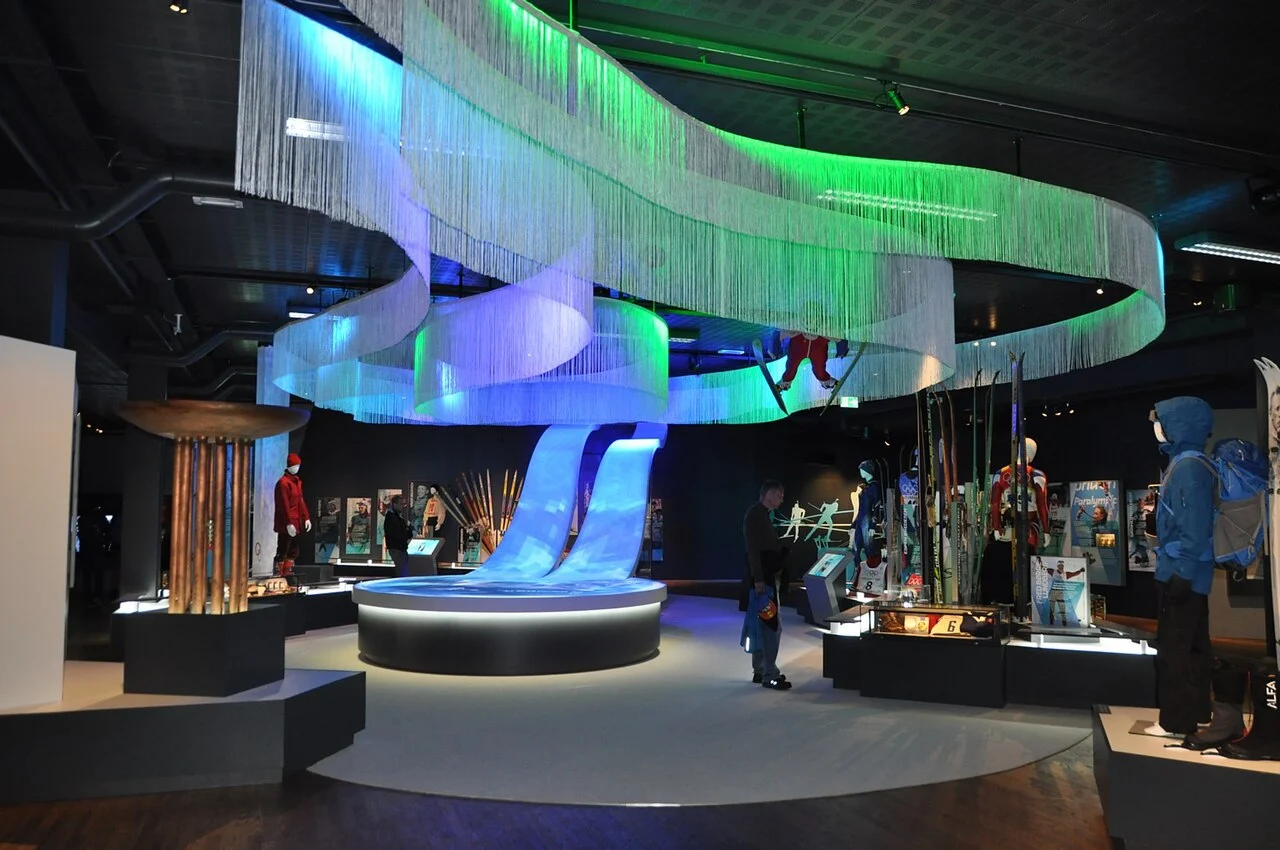
The Norwegian Olympic Museum gives context to Lillehammer’s sporting identity. It is located at Maihaugen, making it a practical companion to the open-air museum, although it deserves its own attention. Visitors do not need to be sporting specialists to be interested in how Olympic events are remembered and interpreted.
Check the current visitor arrangements and allow time for the displays rather than assuming the museum is simply a room of medals. Choose a few questions to follow: what preparation involves, how events shape places, or how sport is presented to the public. A focused visit keeps the subject approachable.
Combining the two museums geographically does not mean that both must be completed before lunch. If the group is tiring, return another day or choose the one that matters most. Leave enough energy for the town itself instead of treating cultural sightseeing as a competition to finish every exhibition.
3. Explore Lillehammer Art Museum
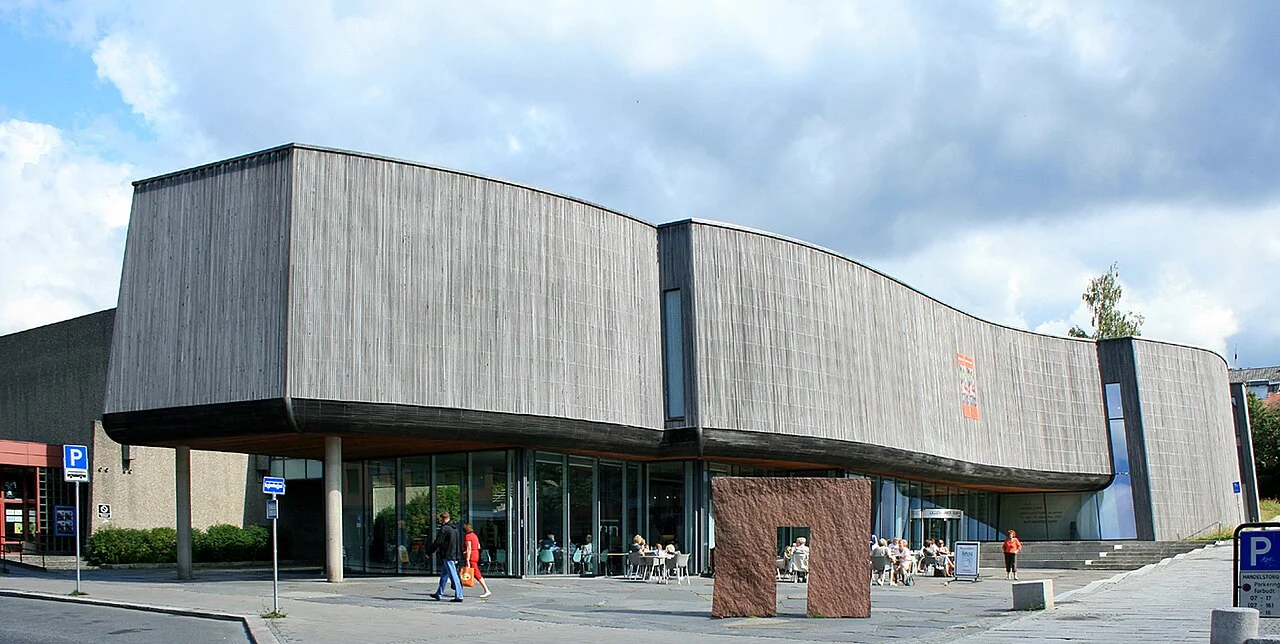
Lillehammer Art Museum adds an artistic perspective to a visit often dominated by cultural history and sport. Its central location makes it useful in a town-based itinerary or as a considered rainy-day option. Look at the current exhibitions before arriving and decide how much of the day you want to devote to art.
Avoid assuming that every work associated with a museum is always on display. Collections and exhibitions change, and a current programme is more useful than an old list of famous artists. Give yourself permission to spend longer with a small number of works rather than rushing through all the galleries.
Combine the visit with a meal and a central street walk. The transition between museum and town helps keep the day varied, particularly for mixed-interest groups. If art is a main reason for your journey, place it earlier in the day when you can give it proper attention.
4. Visit Sigrid Undset’s Bjerkebæk
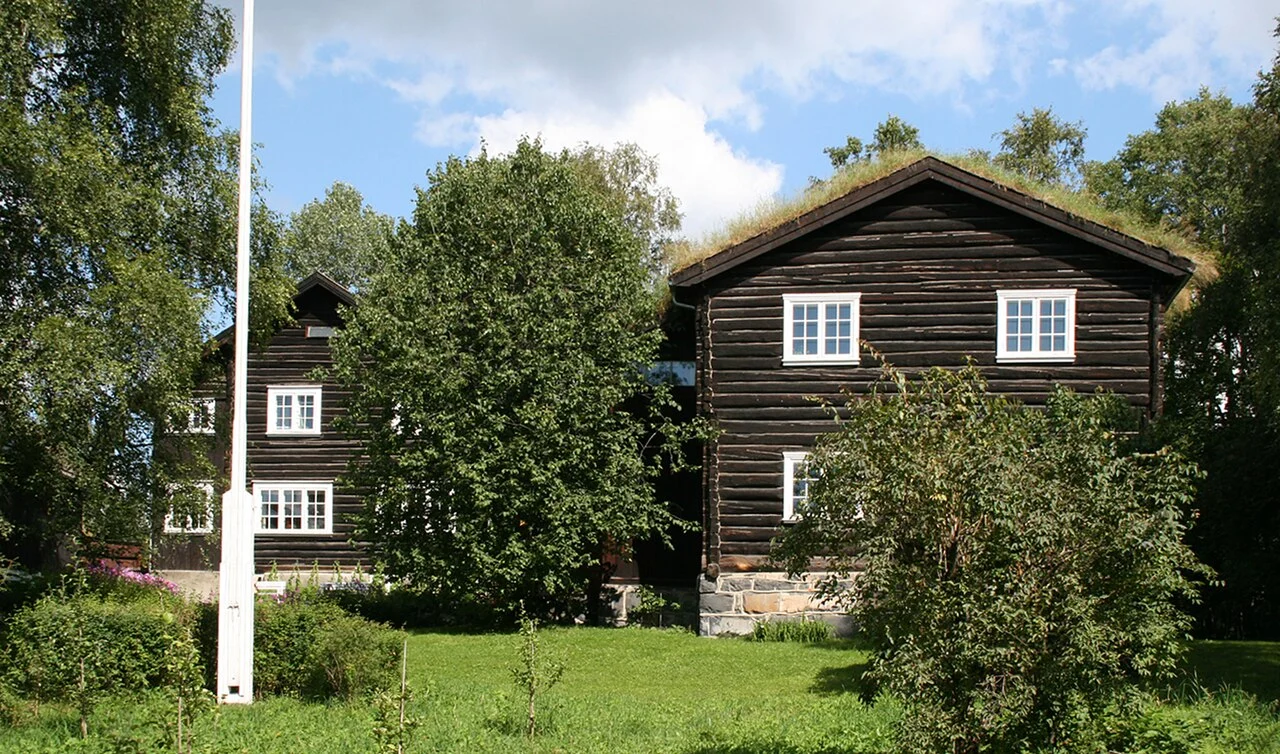
Bjerkebæk is the former home of the Nobel Prize-winning writer Sigrid Undset. It offers a more personal cultural experience than a large museum, connecting a writer’s work with the environment in which she lived. A visit is particularly rewarding if you have read about her before arriving.
At the review on 22 October 2026, the official Bjerkebæk website states that the museum is closed for the season and will reopen on 20 May 2027. Check the current programme before travelling, including tour language and booking. A confirmed house visit can then become the anchor for that part of your stay.
Approach the setting with the care due to a historic home. Follow staff guidance and distinguish public grounds from spaces that are not open. Allow time afterwards to reflect on the visit or walk back at an easy pace instead of immediately rushing to another author-related attraction outside town.
5. Walk Storgata and the central town
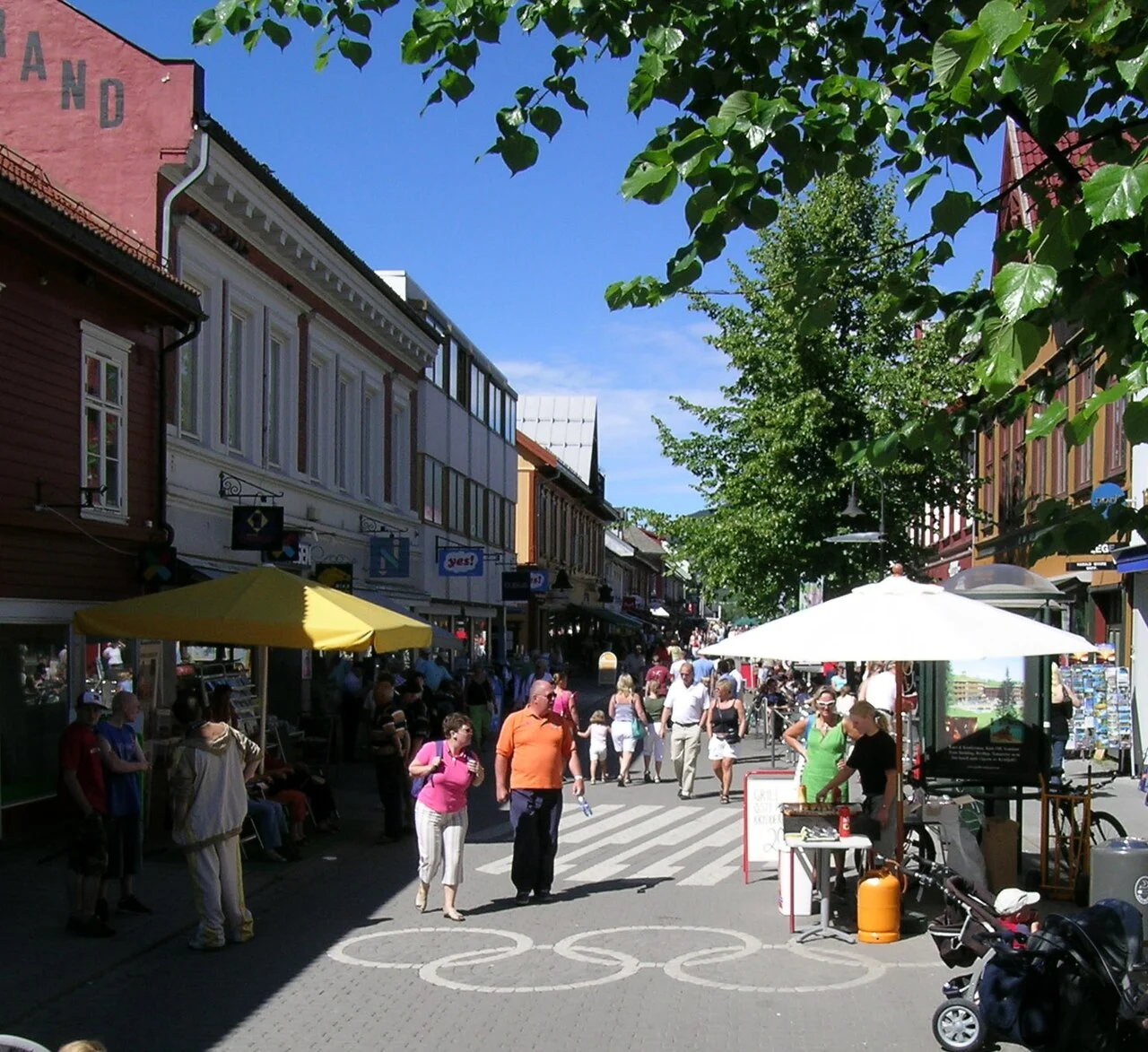
Storgata and the surrounding central streets provide the everyday Lillehammer experience between museums. Walk slowly, notice the buildings and find somewhere to pause. A cultural short break feels more rounded when you allow the town itself to be part of the visit, rather than only moving between named attractions.
Choose shops, cafés or a meal according to your interests, but keep specific businesses flexible unless their opening is confirmed. This is a useful part of the itinerary to leave unbooked. After a long museum visit, a simple town wander may be more enjoyable than adding another interior immediately.
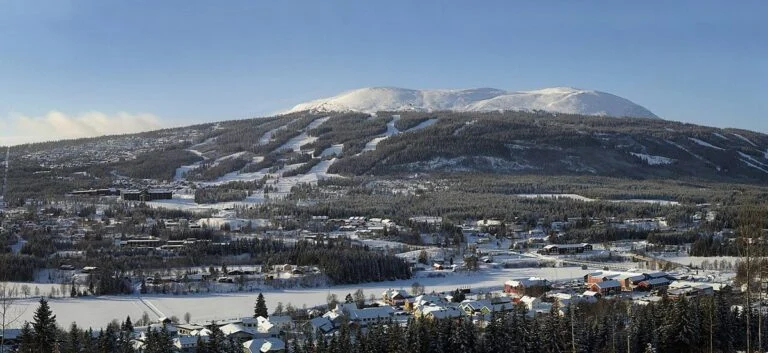
The town’s slopes matter when planning a walking route. Consider the direction of travel, where you are staying and how much climbing remains later. A shorter central circuit can be enough, especially if you also intend to walk beside the river or visit the ski-jumping area.
6. See Lysgårdsbakkene’s ski-jumping setting
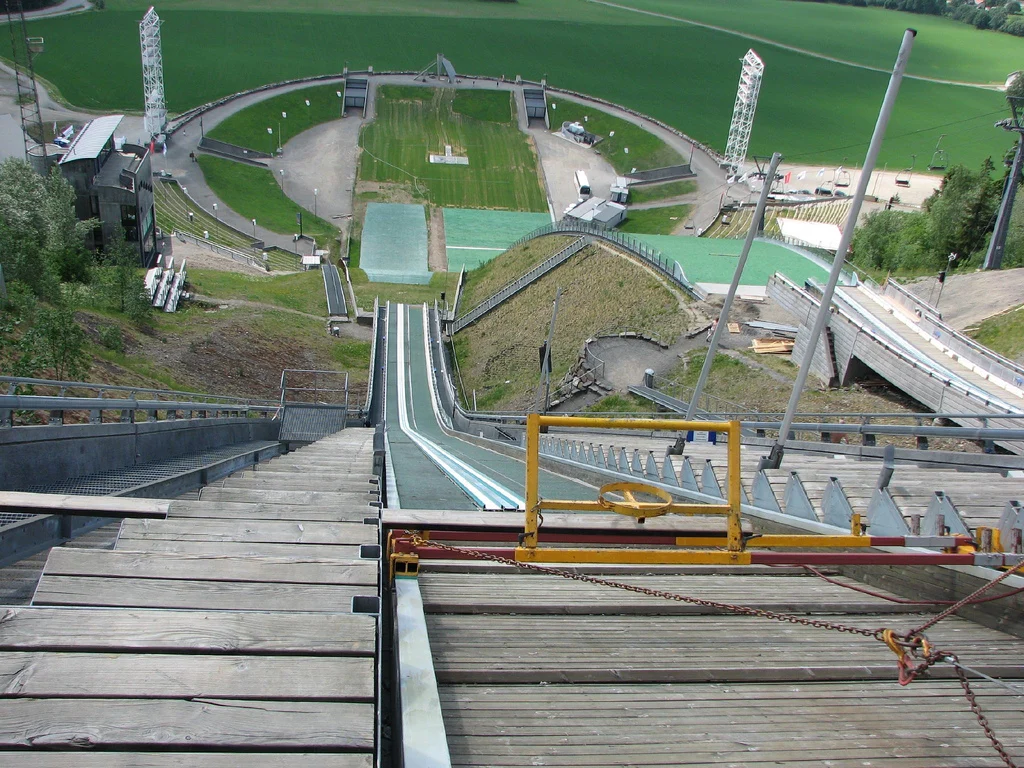
The ski-jumping complex at Lysgårdsbakkene is one of Lillehammer’s recognisable sporting places. Visit for the setting and a sense of the scale involved, with any additional visitor activity dependent on current operation. An exterior view and a specific paid or organised experience should be treated as different possibilities.
Check access before travelling up, particularly if you want a lift, tower visit or other facility. Operating arrangements and training or event use can affect what is possible. Walking routes may involve a considerable climb, so assess them honestly rather than letting the short map distance decide for you.
If Olympic history is your main interest, combine the site with the museum over a manageable day or two. If it is only a passing curiosity, keep the visit brief and preserve time for other priorities. Avoid treating an impressive sporting structure as an invitation to enter working or restricted areas.
7. Follow a suitable Mesna riverside route
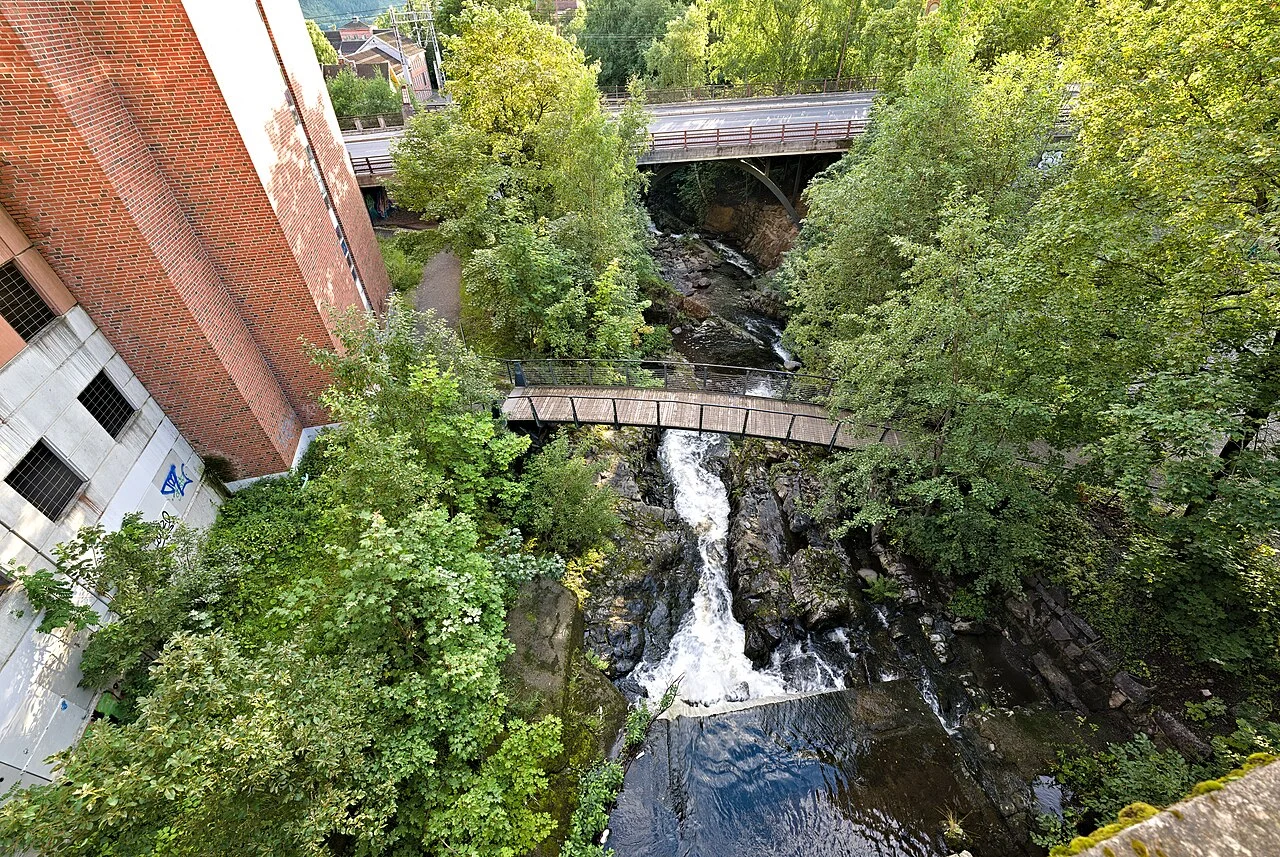
The Mesna river provides an outdoor thread through the Lillehammer area, with walking routes that can include woodland and waterfalls. Select a published route that matches your ability and the time available, rather than assuming every stretch is equally simple. A short, well-chosen section can add plenty of variety.
Paths close to water may be slippery, uneven or affected by seasonal conditions. Wear suitable shoes and keep back from river edges, especially when water is high. Views of moving water are enjoyable from safe public paths; scrambling closer is not a necessary part of the experience.
Use the river walk as a main outdoor activity rather than tacking it onto an already exhausting day of uphill sightseeing. Check the return route and daylight before setting out. In icy or wet conditions, shorten the walk or choose a central alternative instead of forcing the intended distance.
8. Pause beside Mjøsa
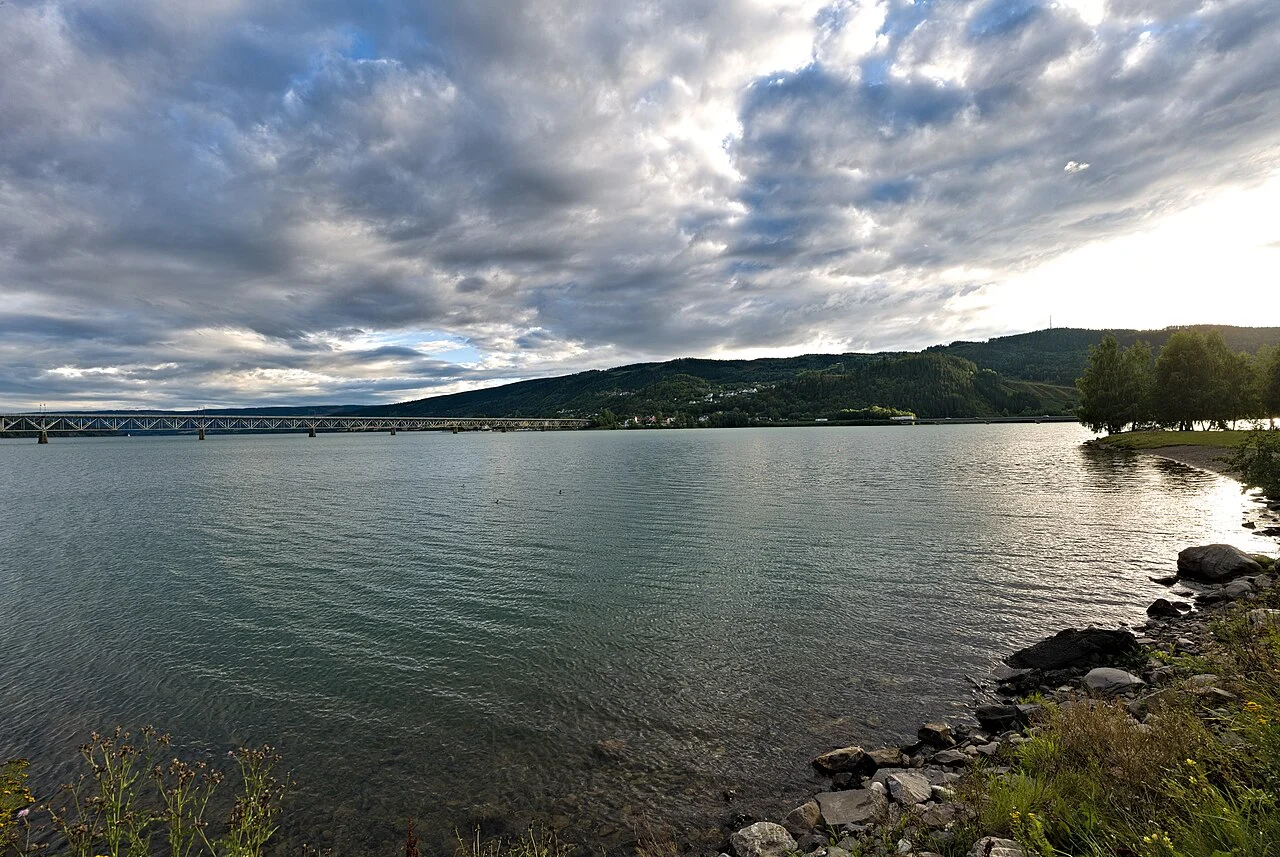
A lakeside break changes the perspective from Lillehammer’s slopes and museums to the broader inland landscape. Choose an accessible public shore route and allow time to rest or walk. This is an appealing option when you want fresh air without committing to a demanding excursion into the surrounding hills.
Remember to include the approach and the return climb or transport in your plan. A place being visible from town does not mean getting there and back is instantaneous. Check the map for practical pedestrian access and avoid assuming private waterfront areas are part of a public promenade.
Wind and temperature can feel different beside the water. Bring a layer and be cautious around slippery edges. In winter, stay with appropriate land routes unless you have reliable local knowledge and suitable equipment for any separate ice activity; sightseeing does not require going onto the lake.
9. Make a literary excursion to Aulestad

Aulestad, in Follebu outside Lillehammer, was the home of the writer Bjørnstjerne Bjørnson. It is a worthwhile option for visitors with a strong interest in Norwegian literature or historic homes. Treat it as a separate excursion rather than another central house that can be reached between two town museums.
Check the official opening programme and guided access before arranging transport. The historic home has seasonal public arrangements, and special events are separate from an ordinary house visit. Confirm which experience you are booking and leave enough time to arrive without pressure.
Choose Aulestad because the subject interests you, not simply because it extends a list. Pairing Bjerkebæk and Aulestad over a longer stay can be meaningful, but two house visits and several large museums in one day risk becoming repetitive and tiring. Leave time to enjoy the rural setting.
10. Choose a family day at Hunderfossen
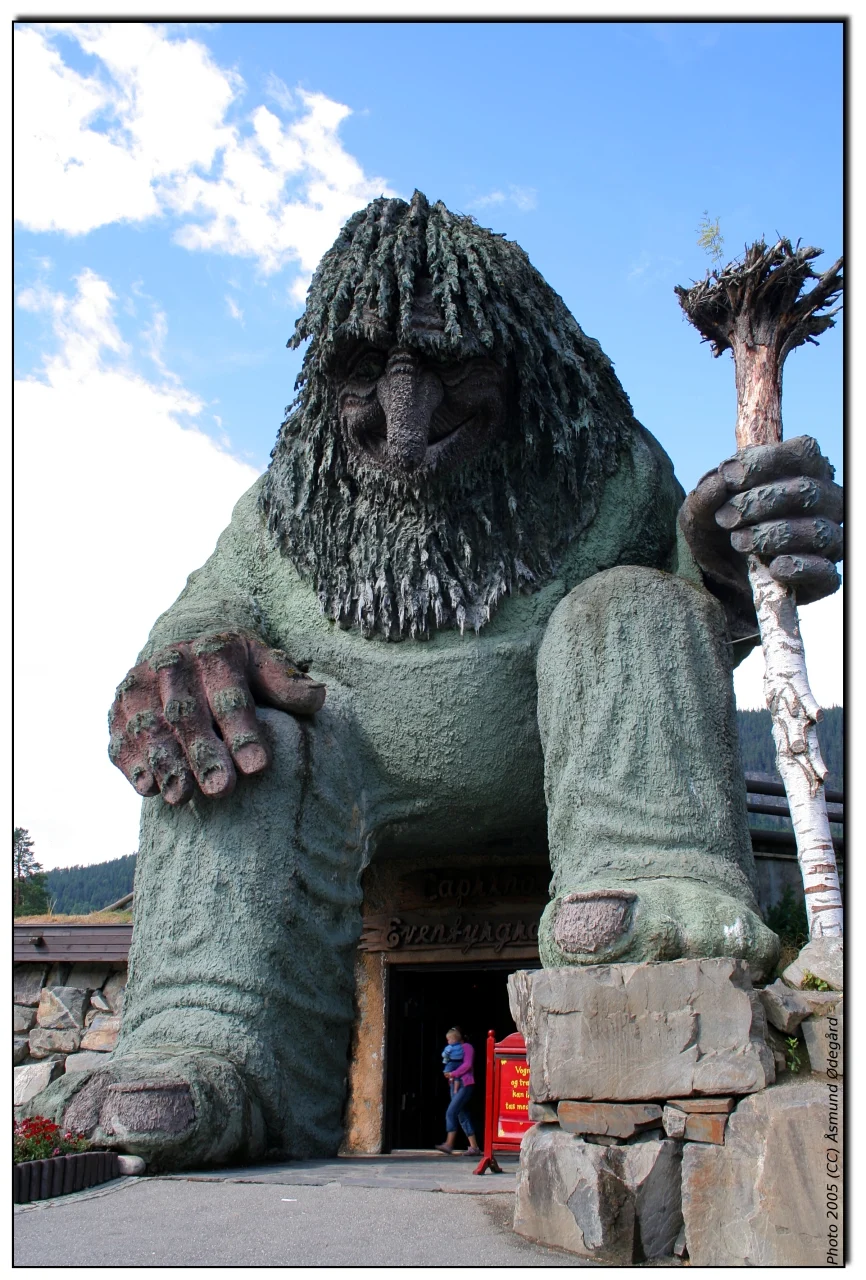
Hunderfossen Adventure Park is a regional option for families seeking a change from museums and town walks. It is outside central Lillehammer, and a visit is best treated as the main activity of the day. Check the current programme to see whether the attractions suit the ages and interests in your group.
Opening dates, ticket arrangements and individual activity conditions can differ by season. Use the park’s official information rather than assuming a summer-style park day is available whenever you are in the region. Check transport and return options at the same time as availability.
Do not add a substantial historic-house excursion before or after a full park visit unless you have a clear reason and sufficient time. Families usually benefit from an uncomplicated day with room for food and rest. Choose either this outing or another regional activity according to what the group actually wants.
Realistic Lillehammer itineraries
One day: choose a cultural focus
Use Maihaugen as the main visit and add the Olympic Museum only if there is enough time and interest. Return to the centre for a meal and a Storgata walk. Alternatively, choose the Art Museum and central town if that better matches your interests. Avoid trying to fit Bjerkebæk, the ski-jumping site and an outlying park into the same day. One substantial museum and a connected town experience provide a worthwhile introduction.
Two days: museums and the hillside town
Spend day one at Maihaugen and the Olympic Museum at a reasonable pace. On day two, visit the Art Museum or a confirmed Bjerkebæk tour, then choose either a suitable Mesna walk or the Lysgårdsbakkene setting. Account for hills and transfers rather than treating the afternoon as unlimited walking time. A lakeside break or another central wander can replace the more demanding option when conditions are poor.
Three days: choose one excursion
After the central cultural sights, select a regional day that fits the group: Aulestad for literature and historic interiors, or Hunderfossen for a family park visit during its operating programme. Check opening, transport and the return in advance. Do not assume that both excursions improve the same day. A longer outdoor route is another possibility for suitably prepared visitors, but it should be selected according to current conditions rather than attached automatically to the sightseeing plan.
Practical travel tips
- Plan for the hills. A walking-only itinerary can be perfectly workable, but repeated climbs use time and energy. Mark your accommodation, museum entrances and transport stops before deciding the order. A small local transfer can make a cultural day much more comfortable.
- Check historic-home tours before setting the itinerary. Bjerkebæk and Aulestad have different locations and arrangements. A general statement that a writer lived there does not establish current public access, available tour languages or the possibility of arriving without a reservation.
- Give Maihaugen enough time. It is not simply a single indoor exhibition, and moving between outdoor areas adds to the visit. Decide what matters most and build in breaks instead of using the entire morning on a rushed circuit followed by an overfull afternoon.
- Separate a venue from an activity. Seeing a ski-jumping complex is different from taking a lift or entering a tower, just as being near a park does not guarantee it is open. Confirm the precise visitor experience that you expect before travelling there.
- Use seasonal outdoor judgement. River paths, hillside steps and lakeside routes can change with rain, ice and snow. Do not copy a summer route into a winter plan without checking conditions. Comfortable footwear, layers and a realistic turnaround time are more useful than an ambitious list.
Frequently asked questions
Is Lillehammer only interesting for winter sport?
No. Maihaugen, the Art Museum, literary homes and the town make a strong cultural visit in other seasons. Sporting heritage is one part of the destination, not the only reason to stay.
Can I see everything in one day?
A single day needs priorities. Choose one substantial museum and the central town, perhaps adding a nearby related visit. Regional excursions and several major museums are better spread over two or three days.
Are Bjerkebæk and Aulestad in the same place?
No. Bjerkebæk is in Lillehammer, while Aulestad is an excursion to Follebu. Check each home’s separate opening and transport arrangements instead of treating them as adjoining attractions.
Is the ski-jumping site an easy walk?
That depends on the route, conditions and your fitness. Lillehammer is hilly, and the approach may involve meaningful climbing. Check current access and choose suitable transport if walking would make the day uncomfortable.
Can I visit Hunderfossen all year?
Do not assume a normal park day operates year-round. Check the official calendar and the particular seasonal programme, then confirm transport and ticket arrangements before making the outing the main focus of your day.
What is a good bad-weather option?
Choose the Art Museum, Olympic Museum or confirmed indoor parts of another attraction. Maihaugen includes significant outdoor movement, so prepare accordingly. A shorter town walk and meal can balance the day without forcing a wet river excursion.
Continue exploring Norway
On a Mjøsa itinerary, Hamar’s Domkirkeodden and railway museum complement Lillehammer’s Olympic and rural heritage. Check rail departures or plan a separate overnight rather than combining all the museums in one day.
Sources and current travel checks
Official tourism, museum and operator information informed this guide. Opening calendars, access, fares and transport can change; follow these sources for your travel dates. Suggested visit lengths and itineraries are editorial planning allowances.
Choose accommodation and plan Lillehammer
Compare accommodation options alongside the places you want to visit. Check the journey to the property before reserving.
Plan experiences around your stay
These guides compare regional options and practical considerations. Check the actual departure point; a related guide is not a promise that every activity is available in this town.