10 Best Things to Do in Balestrand: Sognefjord Views and Culture
Balestrand is a village for slowing down beside the Sognefjord, with an unusually strong connection between landscape, art and the history of travel. The waterfront, distinctive timber buildings and mountain backdrop explain its appeal, while a museum and local food experiences give reasons to stay beyond a photograph. It is not a large resort with a long list of all-weather attractions, so a good visit depends on choosing a few experiences that suit the season. Walkable village sights combine well with one boat excursion or a properly planned mountain day. Two nights can create a much more relaxed visit than arriving and leaving on consecutive tight connections. The suggestions below include both local experiences and a clearly identified scenic-road excursion; they are not ten stops to rush through in a single afternoon.
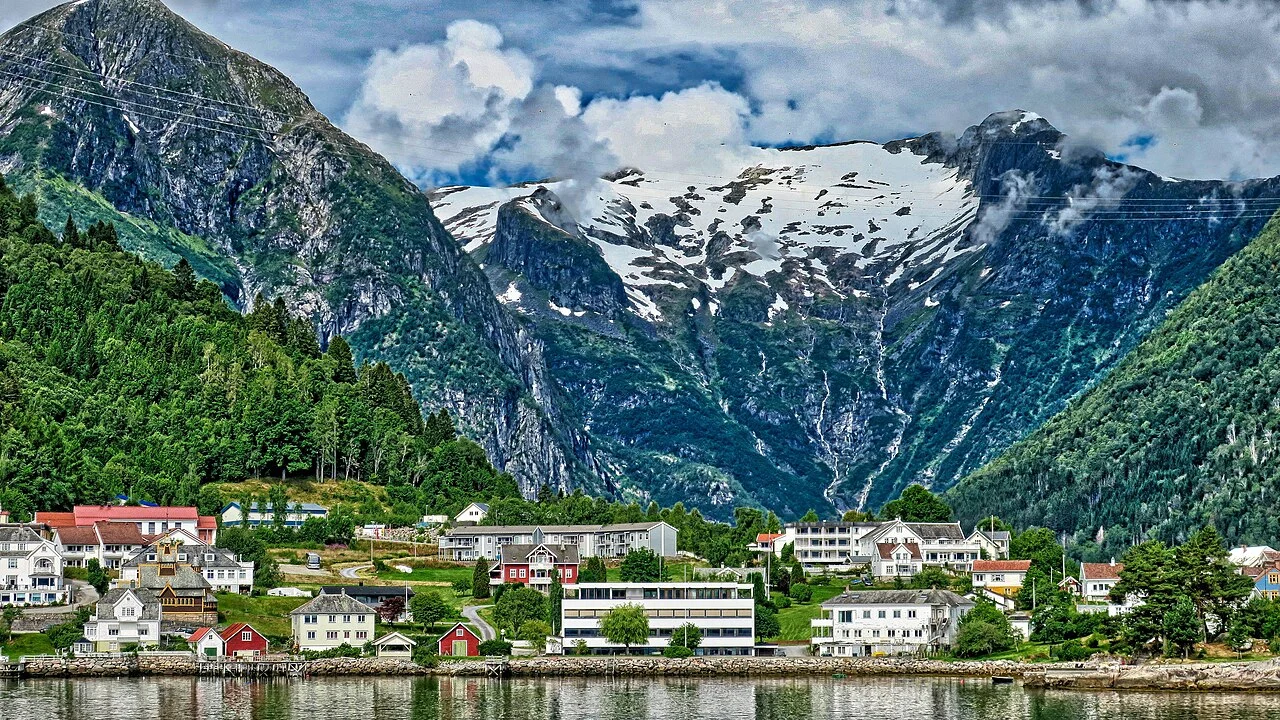
Balestrand: quick answers
- Worth visiting?
- Yes, for Sognefjord scenery, historic villas and cider culture.
- Time needed
- One full village day; two or three with a boat trip or substantial hike.
- Best time
- Late spring to early autumn for walking and boat connections.
- Cost level
- High for fjord lodging and boat excursions; village walks are free.
- Getting around
- Walk in the village; check seasonal boat and bus links.
- Top priorities
- St. Olaf’s Church, historic villas, the fjordfront.
How this list was selected: NorwayTop10’s editorial choices balance distinctive places, practical access and variety for a first visit. The order is a planning guide rather than a public vote. Outings beyond the destination are identified in their descriptions; ten entries do not mean ten stops in one day.
Compare the ten options
Times are editorial planning allowances, not operator schedules. Add travel and waiting time unless the row explicitly describes a whole outing. For guided experiences, use the confirmed booking duration. See each description for terrain and seasonal restrictions.
| Place or activity | Access to plan | Time to allow |
|---|---|---|
| Balestrand quay and Sognefjord waterfront | Village centre on foot | 30–60 min |
| Heritage walk past the artists' villas | Village walking route | 45–90 min |
| Norwegian Museum of Travel and Tourism | Village centre on foot | 1–1½ hr |
| St. Olaf's English Church | Village centre on foot | 20–40 min |
| Ciderhuset food and cider experience | Confirm the Ciderhuset approach | Use the reserved experience duration |
| Sognefjord Aquarium | Village centre on foot | 45–90 min |
| The Kreklingen nature-trail network | Walk to the trail network | 1–2 hr on a selected lower route |
| Raudmelen mountain hike | Marked mountain route | Dedicated hiking day |
| A seasonal Sognefjord boat outing | Quay and dated departures | Use the booked sailing duration |
| Gaularfjellet and Utsikten scenic-road excursion | Road excursion | Half-day or full day |
Bookings through Viator may earn us a commission.
1. Balestrand quay and Sognefjord waterfront
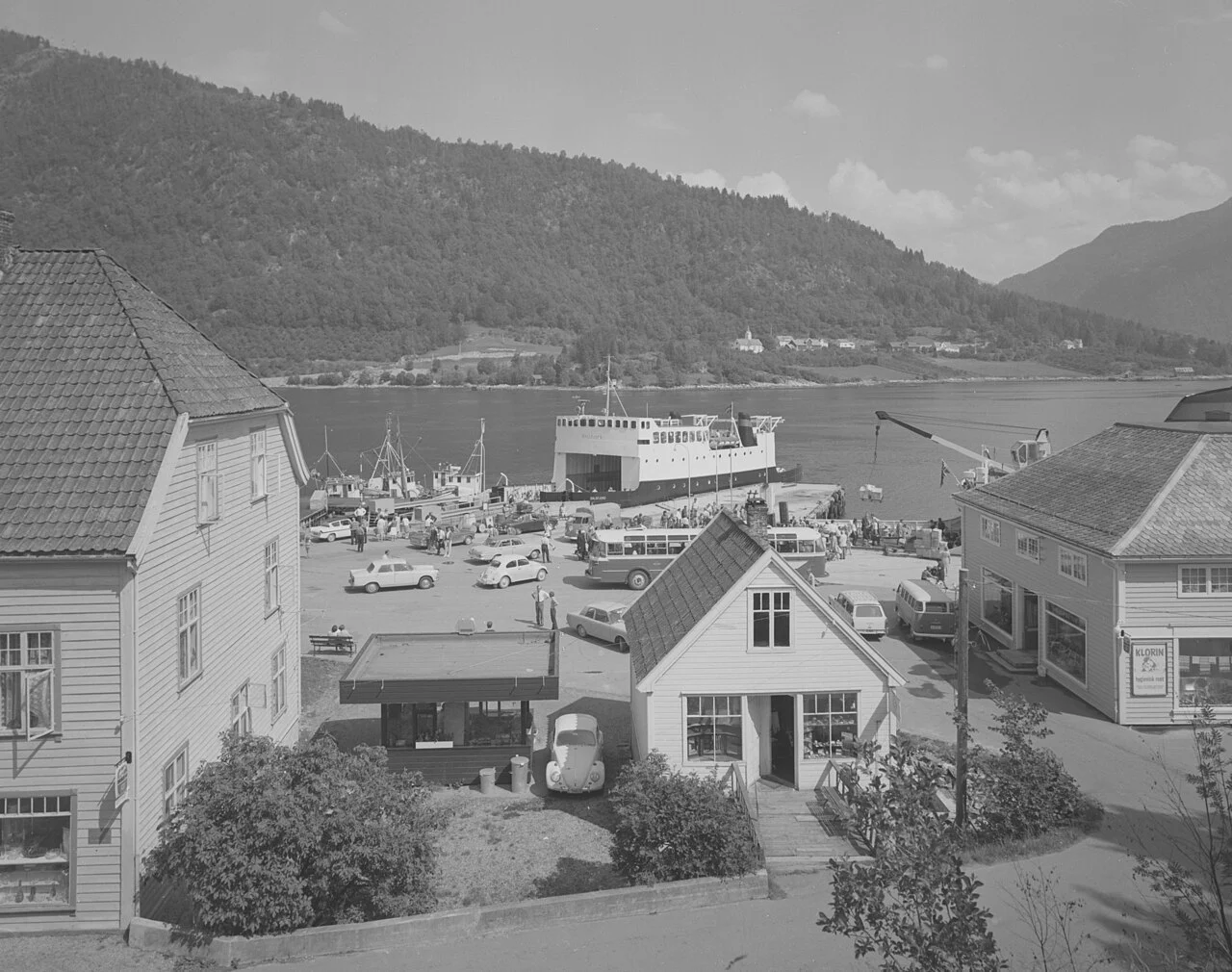
Start at the quay, where arriving boats and the broad Sognefjord establish the village's relationship with the water. Unlike a very narrow fjord arm, this setting opens out towards several mountain shorelines. Walking a short public waterfront section gives time to watch how light and cloud change the view.
Use the first part of your stay to identify the actual departure points for any booked boat and confirm local visitor information. A practical check now can prevent confusion on a tightly timed departure morning. The quay area also makes a natural meeting point for travellers arriving separately or choosing different activities.
Do not expect the same atmosphere at every hour: a boat arrival may briefly make the centre busy, followed by a much quieter interval. If you have time, return in different light rather than feeling you must take every photograph immediately. Give working quay operations space and keep private waterfront property separate from public access.
2. Heritage walk past the artists' villas
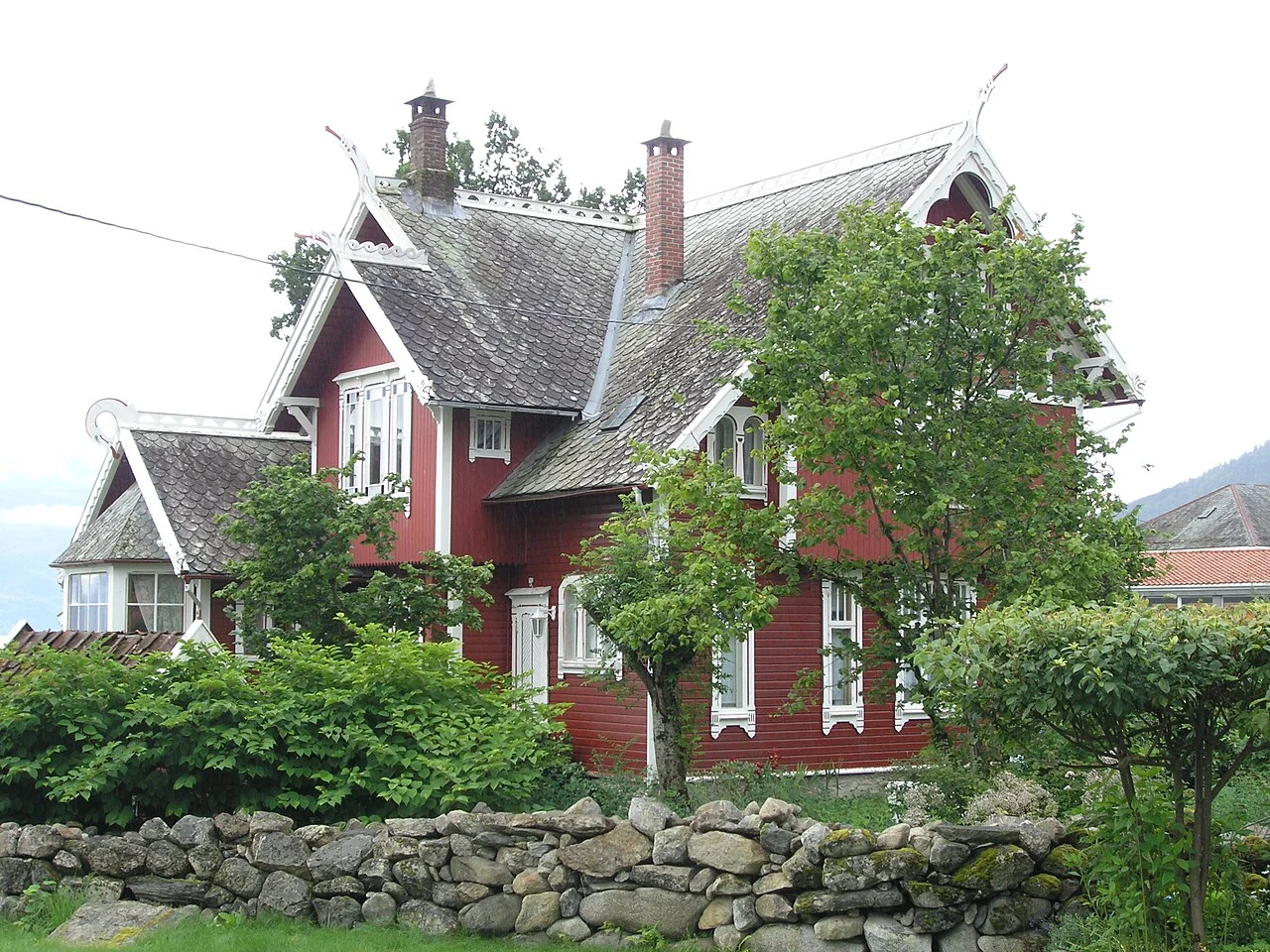
Balestrand's built landscape is closely connected with the artists and travellers who came to the fjord. A heritage walk introduces distinctive villas and the places associated with that story. It is a useful way to turn attractive architecture into something more meaningful than a collection of colourful façades.
Use the current heritage route or a local guided walk, and view houses from public roads and paths. Many appealing buildings are private homes rather than visitor attractions. A photograph is not permission to enter a garden, step onto a veranda or look through a window at close range.
Give the walk an unhurried block, perhaps before lunch or on a gentle arrival afternoon. It combines naturally with the museum and English Church, but you need not inspect every building to appreciate the larger story. In rain, shorten the route and use interpretation indoors if the museum is open.
3. Norwegian Museum of Travel and Tourism
Verified planning detail: The museum's visitor page displayed adult admission of NOK 140 when checked on 23 November 2026. It also listed a closure from 19 December 2026 to 28 January 2027. Check the calendar for your date. Official visitor information.
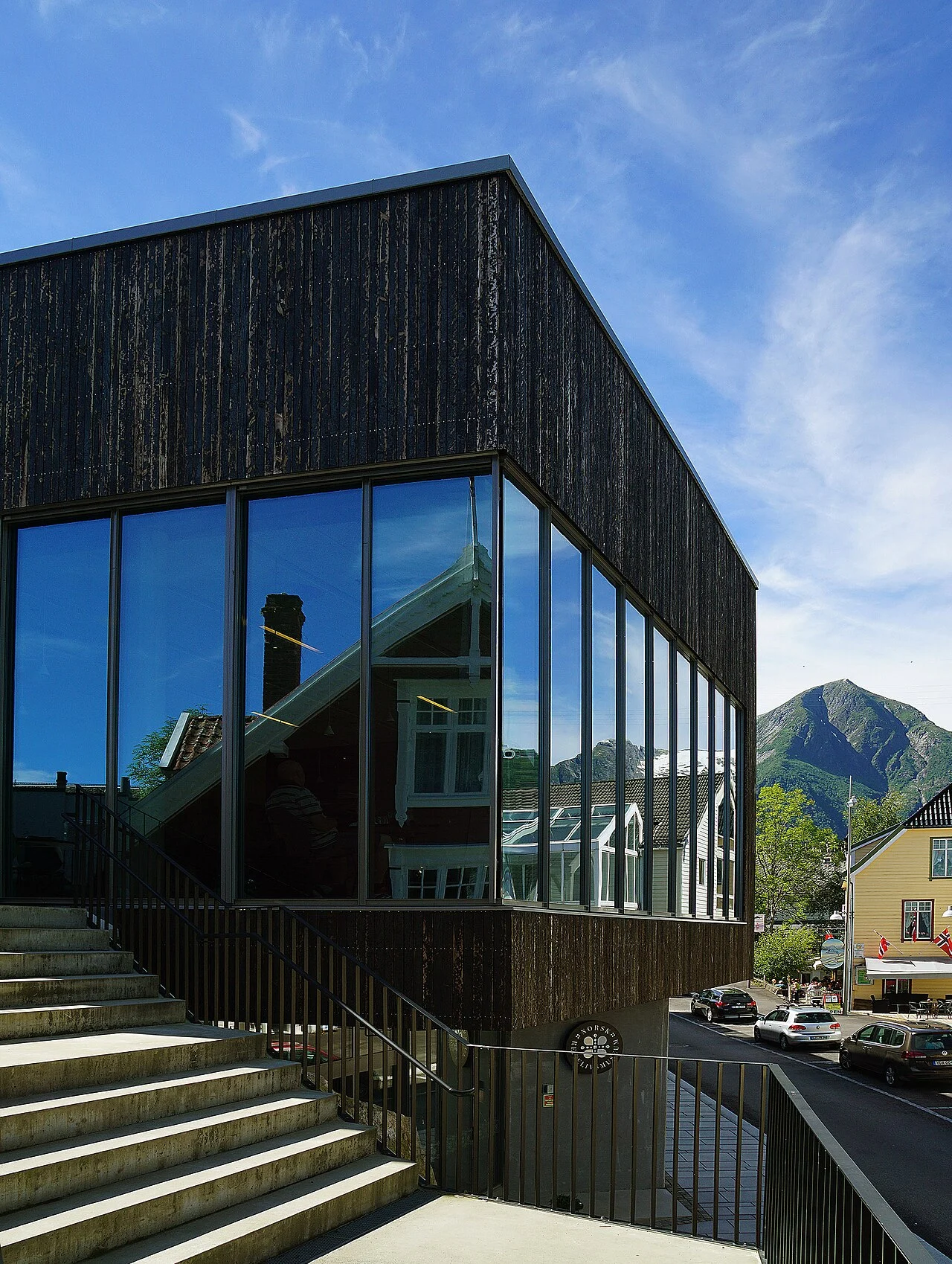
The Norwegian Museum of Travel and Tourism is a particularly relevant museum to visit while travelling through the fjords. Its subject is the development of tourism, including Balestrand's part in that history. It invites you to look at the village as a place shaped by visitors as well as by its permanent residents.
Check the museum's programme and opening dates before building a day around it. Allow enough time to engage with the exhibitions rather than using the building only as a short rain shelter. A visit can add useful context to the heritage walk and help explain the relationship between art, transport and accommodation.
Place the museum on a less promising weather day if your stay gives that flexibility. It is also a good choice for a mixed group in which some travellers are less interested in walking uphill. Exhibitions can change, so choose it for its overall subject rather than assuming a particular artwork will always be displayed.
4. St. Olaf's English Church
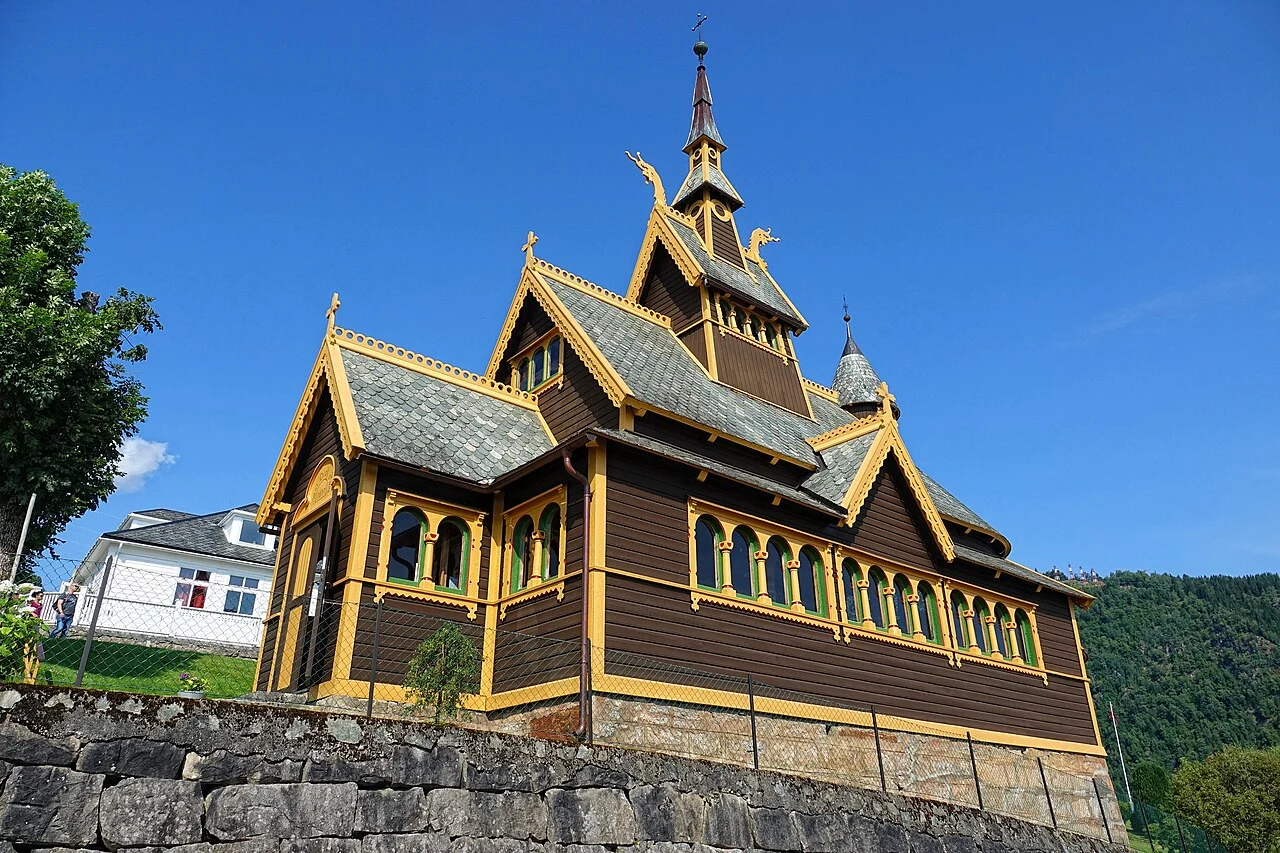
St. Olaf's Church is one of Balestrand's recognisable timber buildings and reflects the village's historic connection with British visitors. Its appearance draws on the stave-church tradition, but it should not be confused with one of Norway's surviving medieval stave churches. That distinction matters when planning a trip around architectural history.
Treat the church as a place of worship with its own visitor arrangements. Check access locally if seeing the interior is important, and give services priority over sightseeing. From outside, consider how its scale and timber form fit into the surrounding village rather than viewing it only as a photograph to tick off.
The church belongs naturally within a heritage walk, with the museum adding context before or afterwards. A brief respectful visit is sufficient for many travellers. Avoid promising children or companions an indoor stop until you know it is open, especially outside the main visitor season.
5. Ciderhuset food and cider experience
Checked 26 November 2026: Ciderhuset is within walking distance of the village centre and Kviknes Hotel. Tastings are primarily a summer offering, while group visits can be arranged throughout the year. Confirm current dates and prices with the operator; the public English page still displays a 2025 schedule.
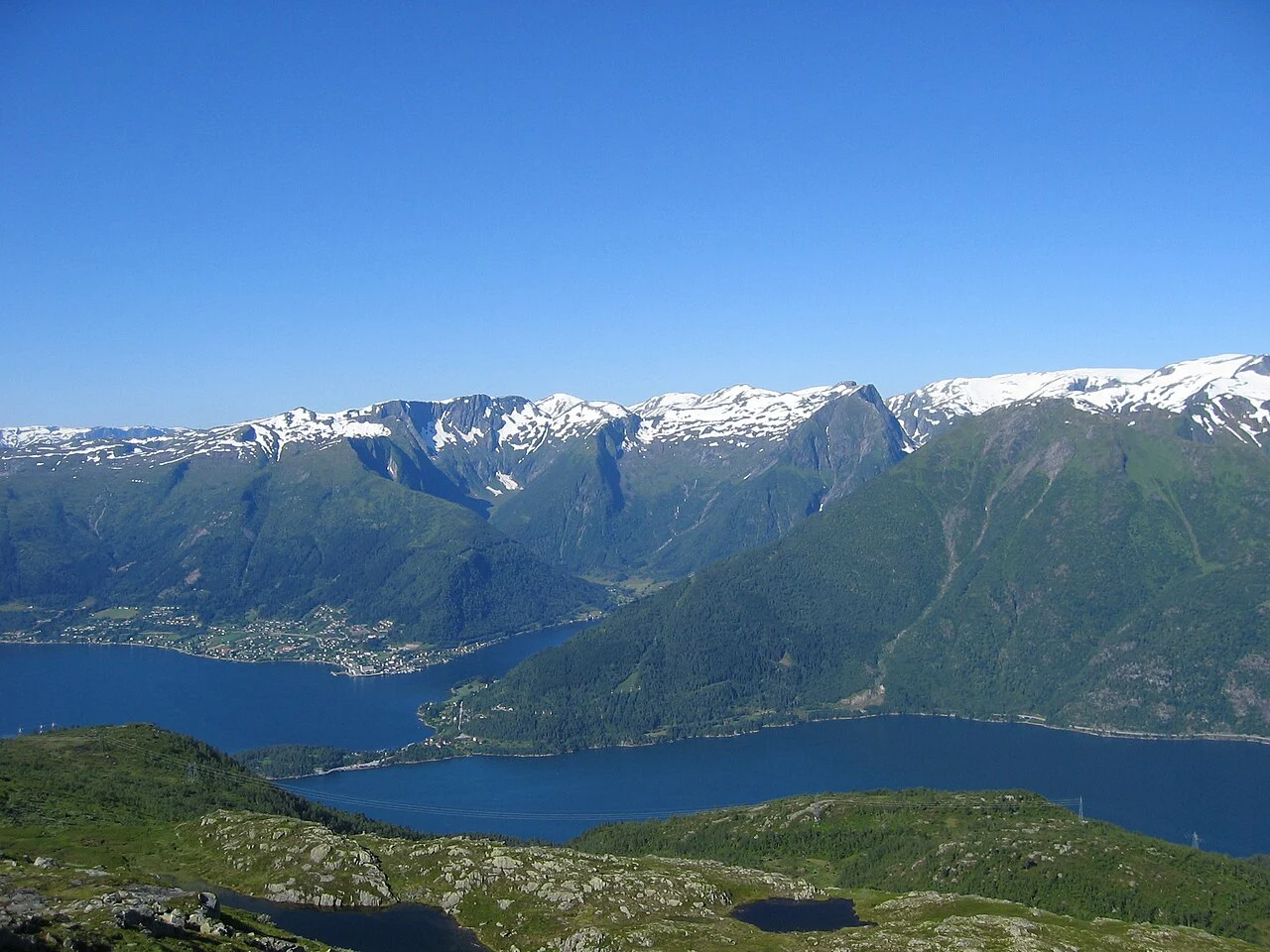
Ciderhuset offers a way to connect the fjord scenery with the area's fruit-growing and food traditions. A tasting or meal can be more memorable than an unstructured search for a farm stop because the experience includes interpretation of the products and their background. Book the particular programme that suits your interest.
The operator's current calendar matters: a tasting, guided walk and dinner are different events and should not be assumed to operate interchangeably every day. Ask about non-alcoholic options, dietary needs and age suitability when booking. If you are driving afterwards, arrange a sober driver or choose a different transport plan.
Allow enough time to enjoy the meal or tasting without watching an imminent boat departure. It pairs well with a lighter village day rather than a late return from a demanding hike. Respect the fact that this is a business and working production setting; access outside a booked visit may be limited.
6. Sognefjord Aquarium

The aquarium offers a closer look at life associated with the fjord, providing a different scale of experience from mountain panoramas. It can suit travellers curious about what lies beneath the water they have been admiring from the shore. For families, this can add variety to a stay otherwise dominated by landscapes and buildings.
Check current opening information and the facilities available on your date. A smaller local attraction should not be approached with the expectations of a major city aquarium. Allow a proportionate visit and combine it with the quay or another central activity, rather than organising a long separate journey around it.
Use the visit as a prompt to notice the fjord as an ecosystem, not simply as a scenic surface. If it is closed during your stay, avoid treating the whole day as lost: the museum, heritage walk and a suitable shoreline outing offer different ways to understand the same place.
7. The Kreklingen nature-trail network
The lower nature trails behind Balestrand offer woodland walking and changing views without requiring the full ascent of Raudmelen. Routes begin around the Belehalli area and give several possible lengths. They are useful for visitors who want to stretch their legs but prefer a more moderate plan than a summit day.
Select the actual route on a current map and ask about conditions. Descriptions such as 'family walk' do not mean every variation is flat, paved or suitable for a pushchair. Roots, wet ground and uphill sections can affect the effort, particularly for those unused to forest paths.
Carry water and give yourself a clear turn-around time. Choosing a shorter route deliberately is better than accidentally following signs onto a longer climb. The woodland outing can fit a morning before a museum visit or an afternoon after a boat journey, provided daylight and the forecast leave a sensible margin.
8. Raudmelen mountain hike
Raudmelen rises above Balestrand and is a substantial walking objective, offering a broad mountain perspective over the fjord landscape. The appeal is not limited to the summit photograph: changing woodland, slopes and views form part of the experience. It is best reserved for travellers who enjoy sustained uphill walking.
Read an up-to-date route description and consider the whole return, not only the climb. Mountain weather, lingering snow, wet rock and visibility matter. Take appropriate clothing, food, water and navigation, and do not assume a clear view from the quay means similarly benign conditions higher up.
Give the hike a dedicated day or a genuinely generous daytime block. Avoid placing a tasting reservation or the last boat connection immediately after an uncertain return time. If the forecast is unsuitable, use the lower nature trails or village experiences instead of forcing the summit plan simply because it is the best-known local hike.
9. A seasonal Sognefjord boat outing
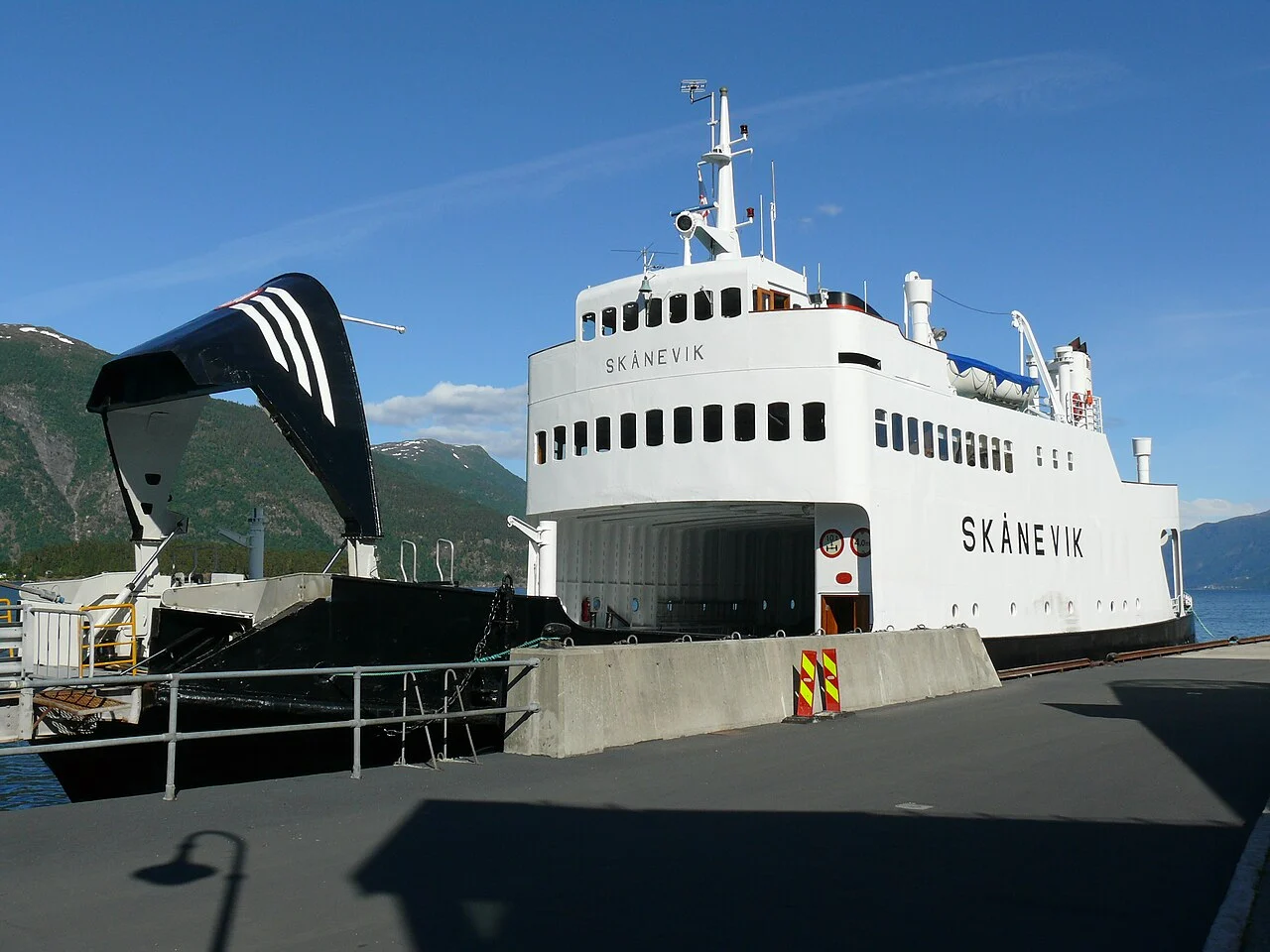
Book here with Viator → Guided fjord and glacier trip from Balestrand
A boat trip changes the scale of Balestrand's surroundings, showing the village and its mountain shoreline from the water. Available excursions may explore nearby fjord sections or connect with other destinations, but the specific programme and return arrangement matter more than the generic label 'fjord cruise'. Choose a trip suited to the time you have.
Check your actual travel date with the operator, particularly in spring, autumn and winter. A route shown on a summer map may not operate when you visit, and a transport boat does not necessarily provide the same commentary or sightseeing pace as an excursion. Confirm where and when you return.
Dress for wind on deck and leave a little flexibility after the trip. If the boat is your means of arriving or leaving Balestrand, distinguish that transport booking from a separate sightseeing plan. Travellers with only one night should avoid spending all their available village time on another lengthy transfer.
10. Gaularfjellet and Utsikten scenic-road excursion
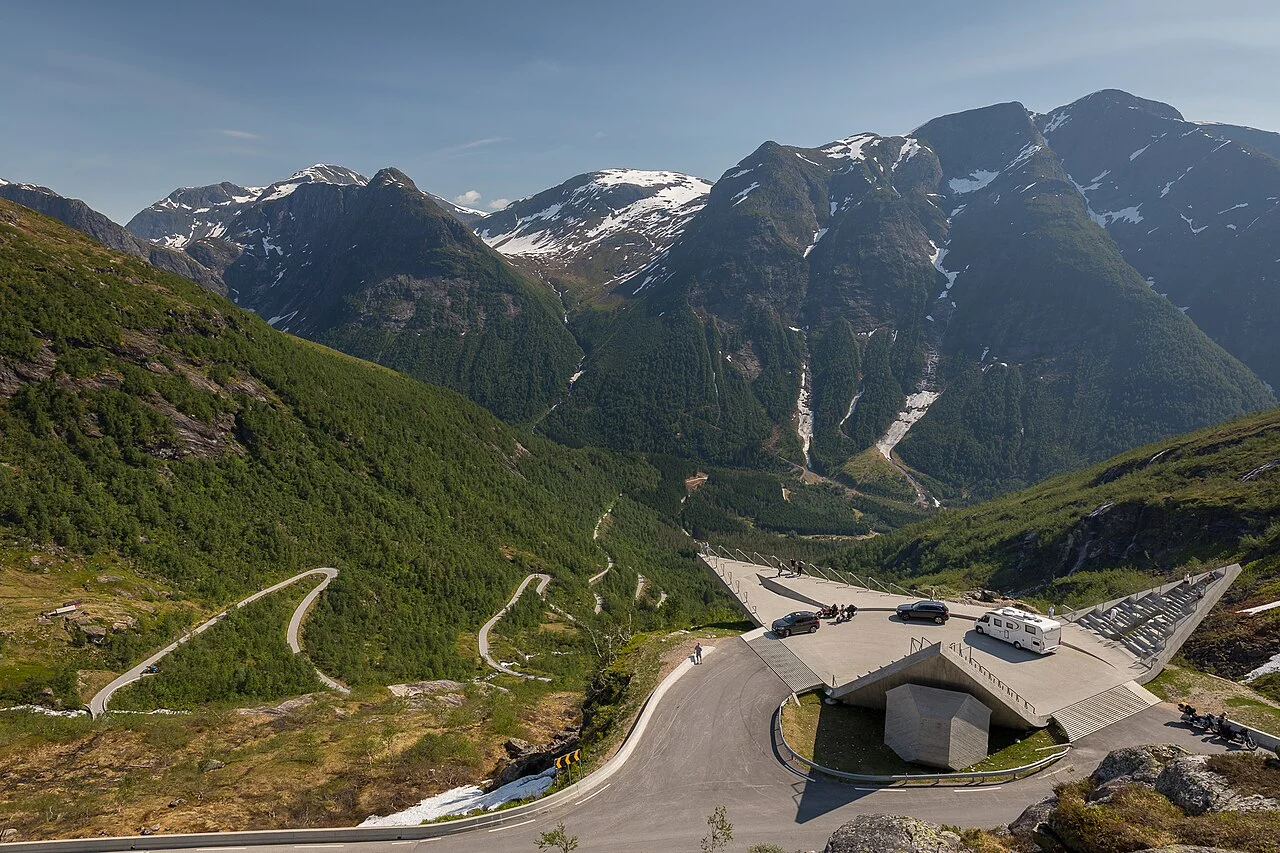
The Gaularfjellet scenic road offers an excursion away from the immediate waterfront, climbing towards a landscape of valleys and mountain country. Utsikten is a developed viewpoint overlooking the winding ascent. This is a road-based outing from Balestrand, not another central attraction reachable in a short walk.
Consult Norwegian Scenic Routes and current road information before committing to the trip. High sections have seasonal access limitations, and a line on a map does not guarantee an open route. Choose stopping places in advance and use designated parking rather than pulling over on a narrow bend for a photograph.
Allow time for the road itself, viewpoint stops and the return. The visit pairs well with a stay of several days, especially if you already have a car. For a short car-free break, a fjord boat or local trail may give a better balance than hiring transport solely to add another distant viewpoint.
Realistic Balestrand itineraries
One day: village, art and food
Begin with the quay and a heritage walk, including a respectful stop at St. Olaf’s Church. Visit the Norwegian Museum of Travel and Tourism when open, then allow a proper lunch or a prebooked Ciderhuset experience. Use the remaining time for the aquarium if available or another relaxed waterfront walk. Keep the order flexible around opening times and any departure boat. This is a village-focused day, not a realistic combination with the full Raudmelen hike.
Two days: add water or woodland
Use the first day for the museum, heritage buildings and food. On the second, choose a boat excursion or a suitable lower nature trail, leaving time to enjoy the waterfront again. Confirm the boat schedule before fixing accommodation or onward connections around it. If cloud and rain make the outdoor day unappealing, reverse the sequence. Travellers who prefer a gentler pace can spread the village experiences over both days and keep just one short walk.
Three days: one substantial excursion
Reserve the clearest suitable day for Raudmelen if your group has the experience and energy for a substantial climb. A scenic-road outing to Gaularfjellet is a separate alternative for drivers when the road is open. Keep the other days for the village and a shorter water or woodland experience. Do not assume the summit hike and a long drive can sensibly share the same day, and keep an easy plan available if mountain conditions change.
Practical travel tips
- Check boat and bus connections for your actual date before booking a short stay. Seasonal gaps can matter more than the apparent distance between villages.
- For a relaxed arrival, choose one nearby activity rather than immediately leaving the village on another long excursion. Time beside the fjord is part of Balestrand’s appeal.
- Treat artists’ villas as private property unless clearly open to visitors. Use public viewpoints and a guided heritage walk if you want more context.
- Book food experiences directly and distinguish the tasting, dinner and cultural-walk programmes. They may have different schedules, suitability and cancellation terms.
- For a mountain walk, choose the route according to the least confident walker and the day’s conditions. Lower trails provide a real alternative, not merely a consolation prize.
Frequently asked questions
Is Balestrand worth visiting for only one day?
Yes, if you focus on the waterfront, heritage buildings and one indoor or food experience. A short visit works less well if it is filled entirely with transfers and distant excursions.
Is the English Church a medieval stave church?
No. St. Olaf’s uses a design inspired by stave churches, but it is not one of the surviving medieval originals. It is still a distinctive part of Balestrand’s travel history.
Can I visit without a car?
The village sights are walkable. Check seasonal boat and bus services carefully, and choose your accommodation and excursions around confirmed connections.
Is Raudmelen suitable for a casual afternoon stroll?
The summit route is a substantial mountain climb. Visitors wanting a shorter outing should investigate the lower nature trails and make a deliberate route choice.
What can I do when the weather is poor?
The travel museum, aquarium and booked food experiences can provide alternatives when open. Their current schedules should be checked rather than assuming a full range of year-round services.
Can I drive Gaularfjellet at any time of year?
Do not assume so. Mountain-road access is seasonal and weather-dependent. Check the Scenic Routes information and current road status before setting out.
Continue exploring Norway
Sources and current travel checks
Official tourism, museum and operator information informed this guide. Opening calendars, access, fares and transport can change; follow these sources for your travel dates. Suggested visit lengths and itineraries are editorial planning allowances.
- Visit Sognefjord: Balestrand
- Norwegian Museum of Travel and Tourism visitor planning
- Visit Norway: St. Olaf’s Church
- Ciderhuset official information
- Balestrand attraction information
- Visit Sognefjord: hiking in Balestrand
- Visit Norway: Balestrand nature trail
- Norwegian Scenic Routes: Gaularfjellet
- Norwegian Scenic Routes: Utsikten