10 Best Things to Do in Røros: Mining Heritage, Streets and Food
Røros is best understood as a mining town and a living community, rather than simply a collection of picturesque wooden houses. Its streets, church, museum and industrial landscape tell connected stories about work, resources and daily life. Start in the town, then consider an excursion to the Storwartz mining area and Olav’s Mine if you have suitable transport and a confirmed visit. Two days give a comfortable introduction; three allow more time for food, craft and an outdoor outing. The upland setting also makes seasonal preparation important. Winter cold, ice and short daylight change the practical experience, while a summer photograph does not establish year-round access to every route or building. This guide separates the public streets from organised interiors and outlying mining sites, and suggests a pace that gives the town’s detail room to register.
Røros: quick answers
- Worth visiting?
- Yes, for historic mining-town streets and industrial heritage.
- Time needed
- Two days; three with a separate mine or outdoor excursion.
- Best time
- Summer for wider outdoor access; winter for snow and historic streets.
- Cost level
- Moderate to high; museum admission, tours and lodging are principal costs.
- Getting around
- Walk the town; arrange transport to Olav’s Mine.
- Top priorities
- Historic streets, Smelthytta, Olav’s Mine when open.
How this list was selected: NorwayTop10’s editorial choices balance distinctive places, practical access and variety for a first visit. The order is a planning guide rather than a public vote. Outings beyond the destination are identified in their descriptions; ten entries do not mean ten stops in one day.
Compare the ten options
Times are editorial planning allowances, not operator schedules. Add travel and waiting time unless the row explicitly describes a whole outing. For guided experiences, use the confirmed booking duration. See each description for terrain and seasonal restrictions.
| Place or activity | Access to plan | Time to allow |
|---|---|---|
| Walk the historic wooden streets | Historic centre on foot | 1–2 hr |
| Visit Røros Museum at Smelthytta | Town visit on foot | 1–1½ hr |
| See Røros Church | Town centre on foot | 30–60 min |
| Explore Sleggveien | Historic centre on foot | 30–60 min |
| Understand the slag heaps and industrial landscape | Use public heritage routes | 45–60 min |
| Join a guided town walk | Confirmed town meeting point | Use the booked walking-tour duration |
| Tour Olav’s Mine | Transport to the mine and guided admission | Use the booked mine-tour duration, plus travel |
| Explore the Storwartz mining landscape | Road transfer and selected route | Half-day with travel |
| Make time for regional food and craft | Town centre on foot | 1–2 hr |
| Use Doktortjønna for a gentler outdoor pause | Local walk | 45–90 min |
Bookings through Viator may earn us a commission.
1. Walk the historic wooden streets
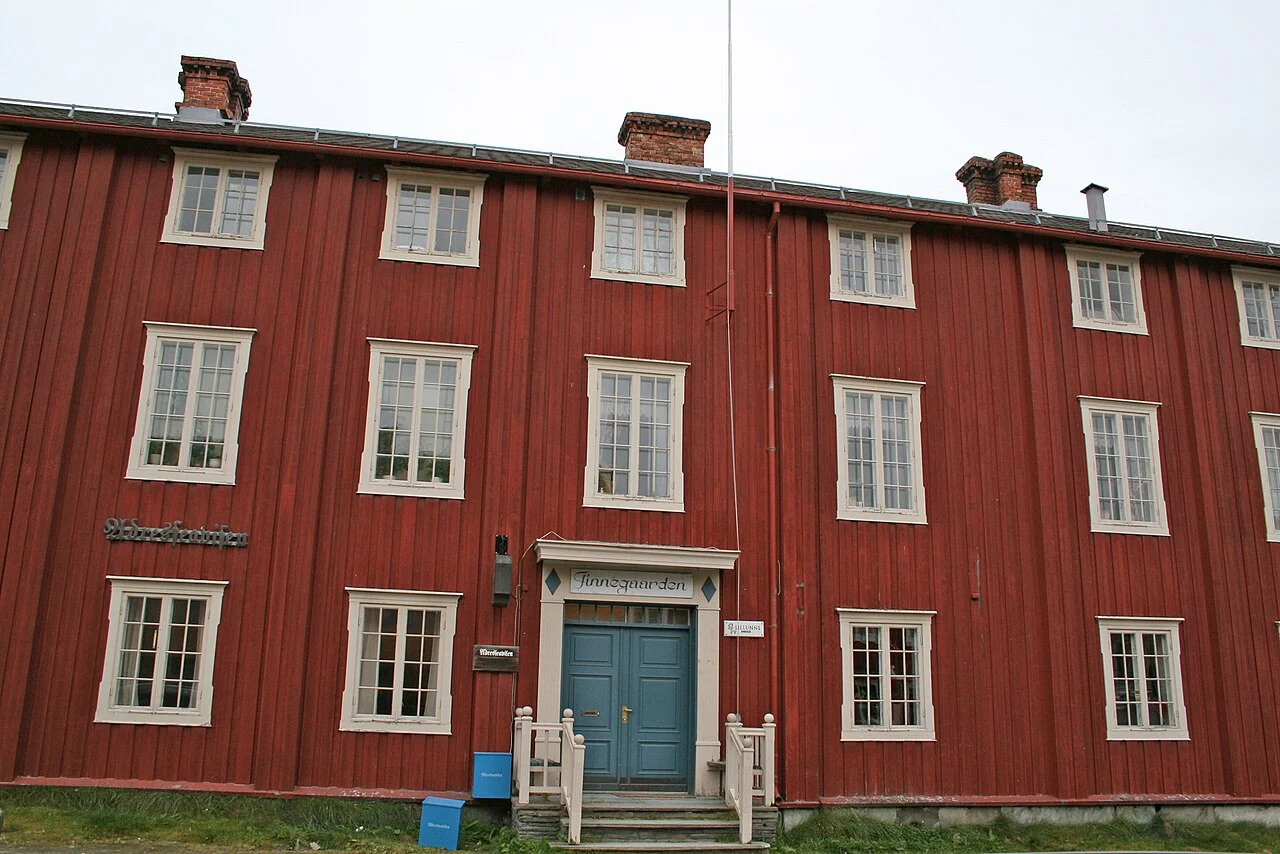
Book here with Viator → Self-guided historic town audio walk
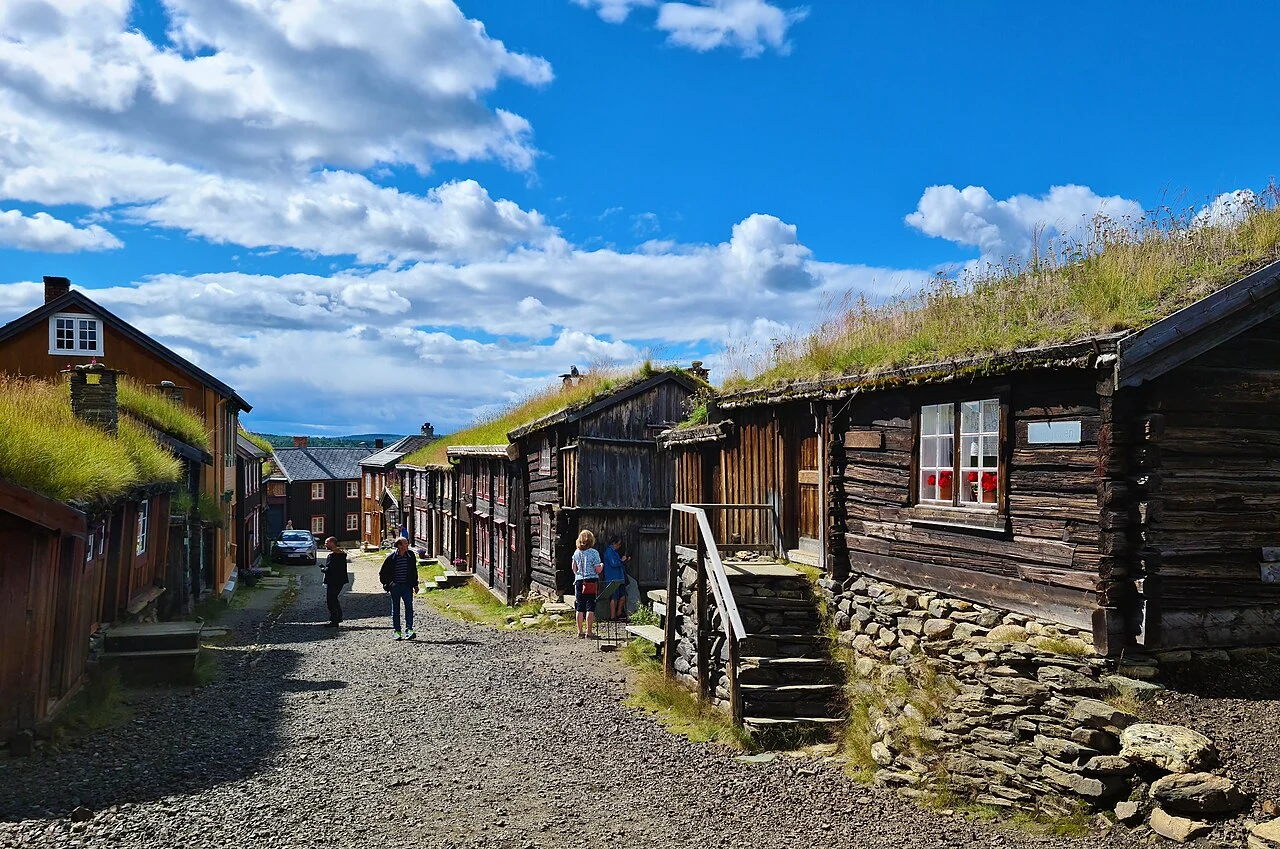
Røros’s streets are a strong first experience, but the town deserves more than a quick search for colourful façades. Walk slowly and notice the relationship between houses, outbuildings, yards and the broader industrial setting. The built environment becomes more meaningful when it is seen as a place of work and everyday life.
Choose a manageable first circuit rather than immediately trying to cover every lane. Stop to read interpretation and identify places you want to revisit after the museum. Many buildings still have ordinary uses, so distinguish public businesses and museum properties from private homes.
Respect entrances, residents and courtyards. In winter, allow extra time for footing and cold rather than keeping a summer walking schedule. A second short walk later in the stay can be more rewarding than one long circuit completed while tired or concentrating only on taking photographs.
2. Visit Røros Museum at Smelthytta
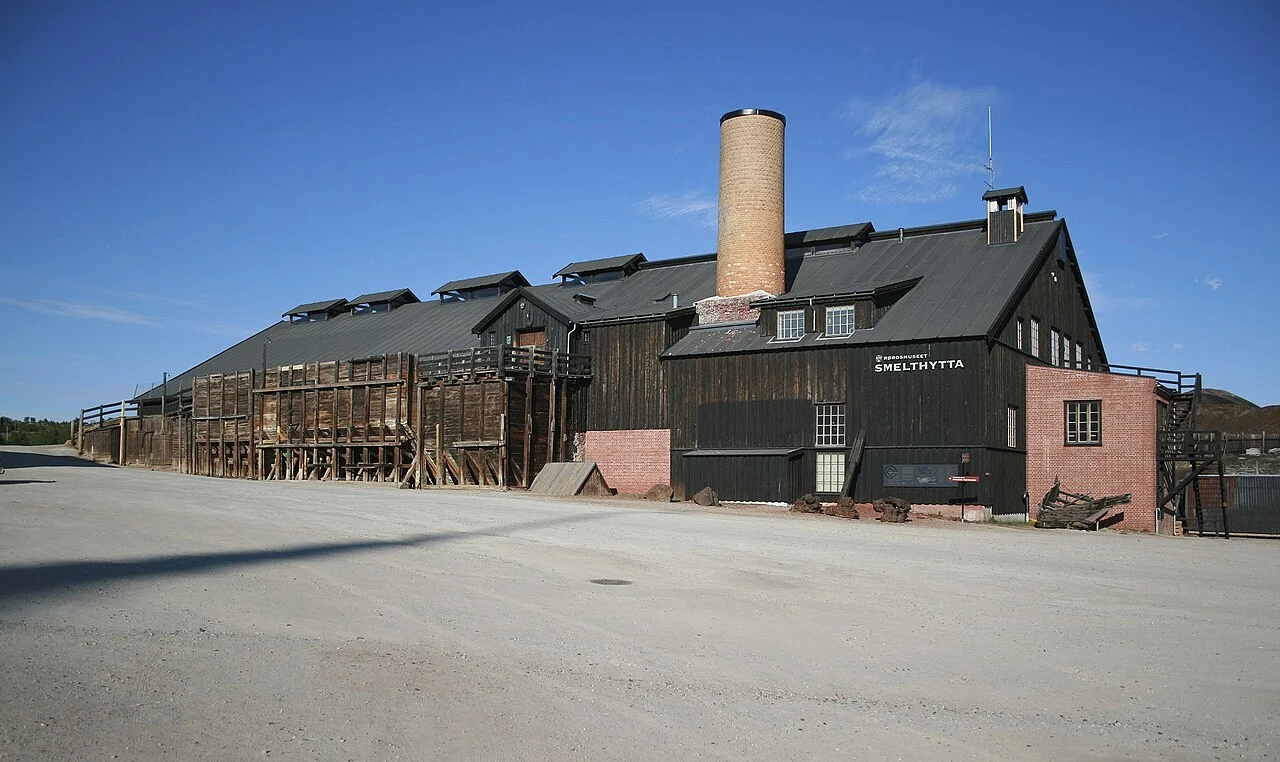
Smelthytta is the main indoor foundation for understanding Røros’s copper-mining heritage. The museum connects industrial processes and the wider community, helping explain why the town and surrounding landscape look as they do. Give it time before deciding that the visible streets tell the whole story.
Check the current exhibitions and any guided interpretation that might suit your interests. Visitors can focus on a few themes instead of trying to absorb every detail: how mining worked, how production affected the landscape, or how people lived within the mining economy.
Return outside afterwards and look again at the townscape and nearby industrial traces. The contrast between a museum explanation and the physical setting is particularly useful here. If you plan to visit Olav’s Mine, the museum can provide a clearer starting point before travelling to the outlying mining area.
3. See Røros Church
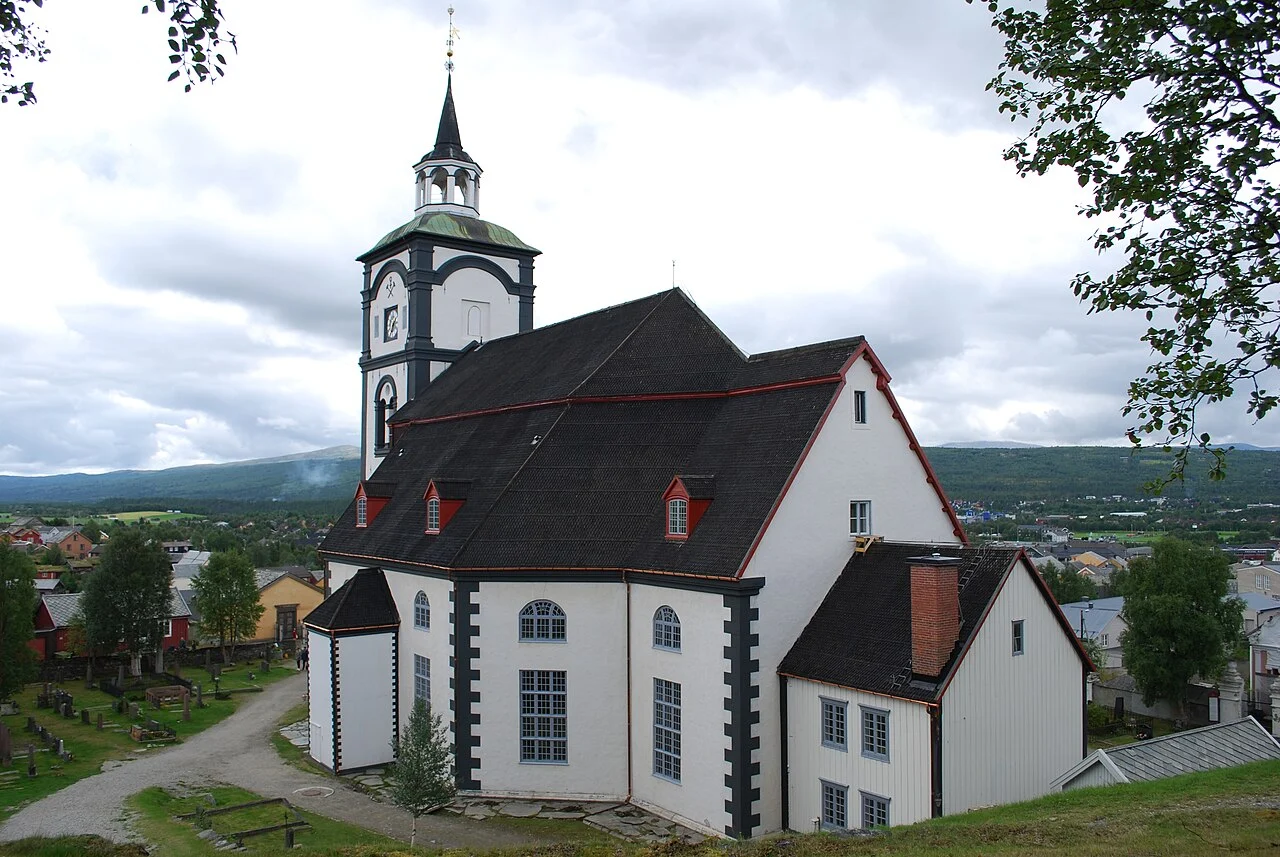
Røros Church is a defining presence in the historic town and adds another dimension to its mining story. Start with the exterior and its position among the surrounding buildings. A confirmed interior visit or guided town tour can add context, but should not be assumed to be available at every arrival time.
Check the current visiting arrangements and respect services and other church uses. If you join a town tour that includes the church, read the exact programme rather than planning a duplicate visit automatically. Current tour information is more useful than an old description of standard times.
A church visit works best as part of the town route, with room to pause afterwards. It does not need to become a lengthy stop for every visitor. Follow local guidance on photography and quiet behaviour, particularly when other people are using the building for its primary purpose.
4. Explore Sleggveien
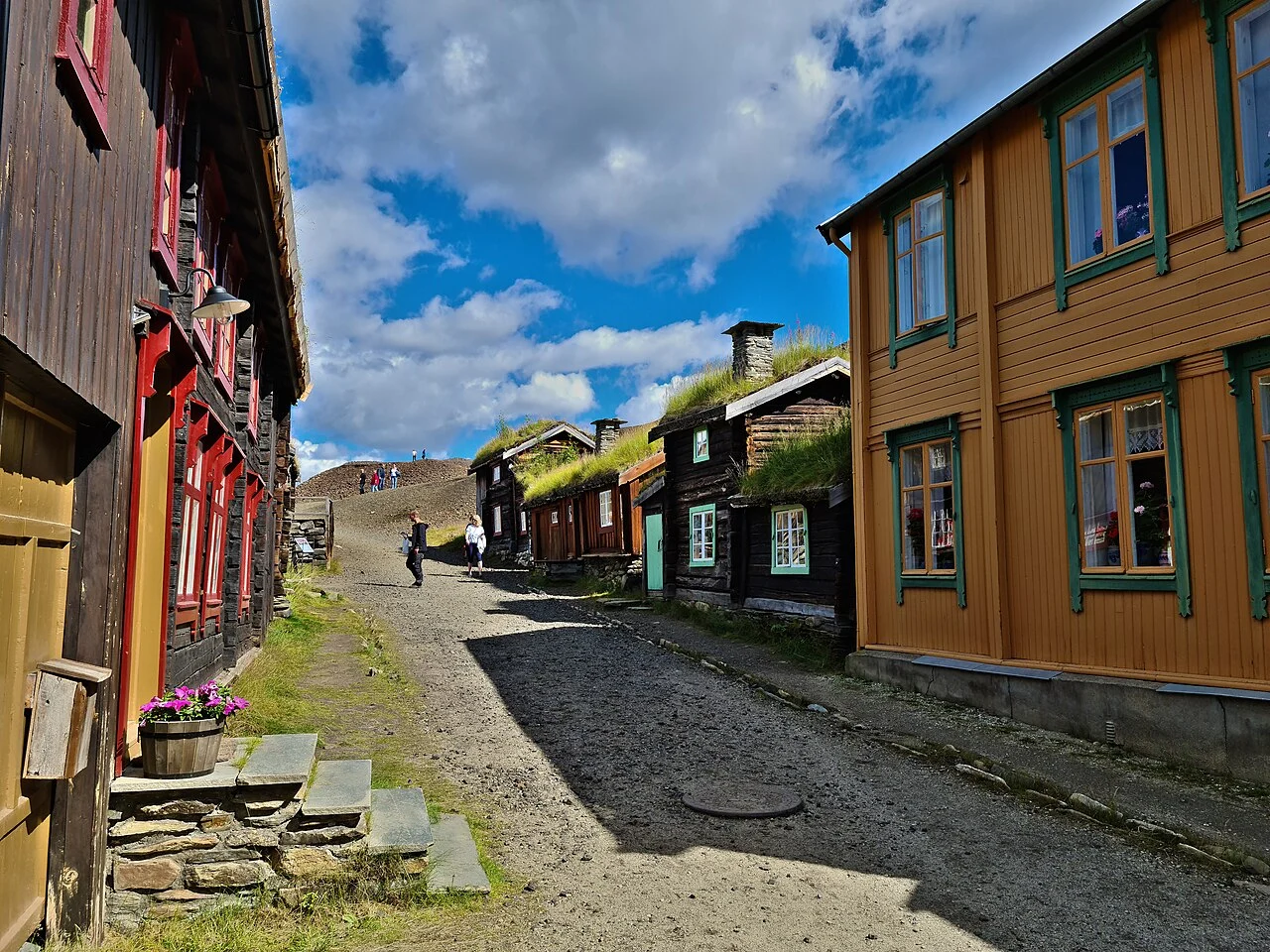
Sleggveien adds an important social perspective to Røros. Its small historic houses are associated with people whose lives were different from those of the most prominent figures in the town’s story. Seeing this area helps balance the larger church and industrial museum with the scale of ordinary domestic life.
The distinction between an exterior walk and an interior museum visit matters. Check the museum’s current programme before expecting buildings to be open. Even when entry is unavailable, approaching the area with some knowledge makes it more meaningful than simply treating the houses as an attractive photographic backdrop.
Stay within permitted areas and avoid entering gardens or doorways without an invitation. The ground and approaches may be uneven or slippery, especially in winter. Combine Sleggveien with the nearby town and industrial landscape rather than making an unnecessary separate journey across the settlement.
5. Understand the slag heaps and industrial landscape
The slag landscape makes the consequences of mining visible beside the town. It is an important contrast to neat images of wooden streets, showing that Røros was shaped by industry rather than designed as a picturesque visitor village. Look for safe public viewpoints and interpretation rather than trying to climb every feature.
Use the museum visit to help interpret what you are seeing. Industrial remnants are not simply anonymous scenery, and their meaning is easier to understand when connected with production and labour. A short, thoughtful look can add more than a longer walk without any context.
Keep to permitted routes and respect barriers or signs. Historic industrial ground can be uneven and is not an informal playground. Snow can also conceal surfaces or edges, so adjust the route to current conditions instead of assuming a familiar summer view has the same safe access in winter.
6. Join a guided town walk
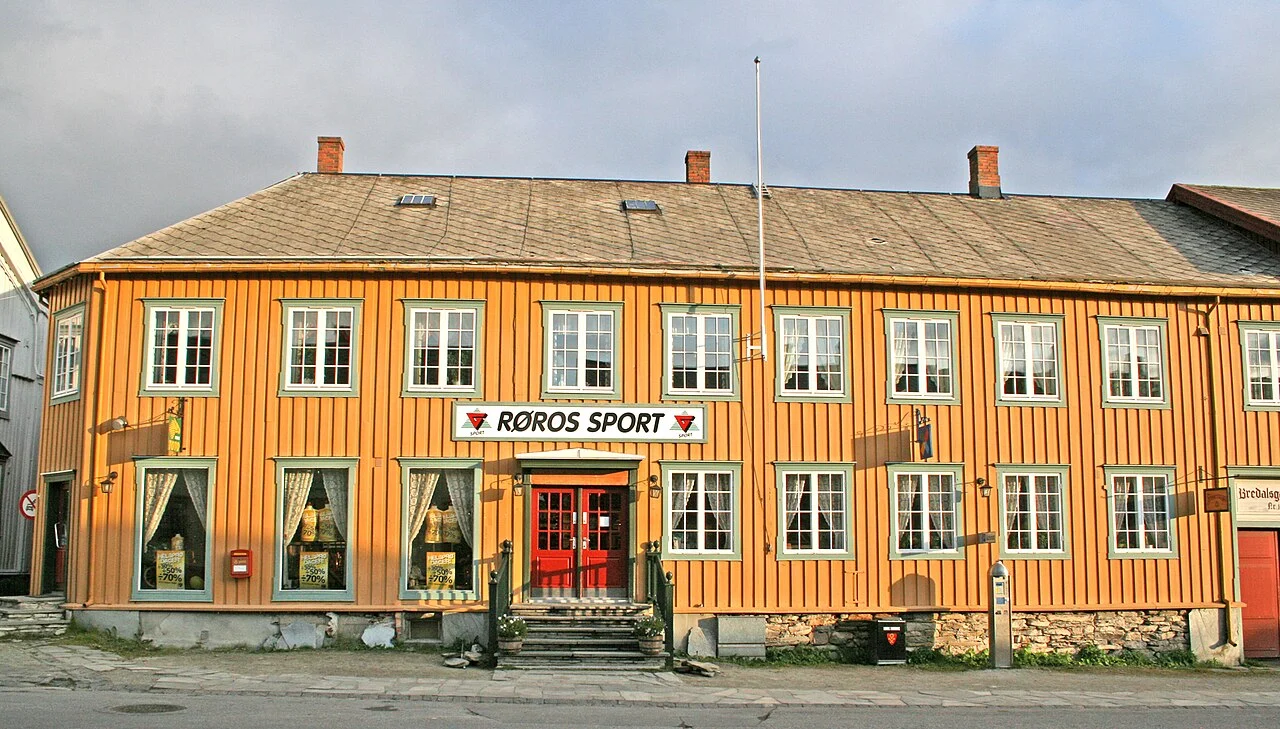
A guided walk can connect Røros’s streets, people and industrial history into a coherent story. It is a useful choice if you would rather have someone explain the relationships than rely entirely on signs and museum displays. Check the language, starting point and current route before booking.
Seasonal programmes can differ, so avoid relying on a fixed departure time copied from an old guide. Read what is included, particularly whether the church or another interior forms part of the experience. That helps prevent unnecessary duplicate tickets or planning the same visit twice.
Leave a little time after the tour to return to a place that caught your interest. Guided visits often introduce more possibilities than can be explored in the allotted time. A relaxed revisit is more useful than immediately rushing away to an unrelated excursion outside the town.
7. Tour Olav’s Mine
Verified planning detail: Olav's Mine publishes guided departures with advance ticket booking. Match the confirmed tour time to your outward and return transport. A visit to the underground mine is separate from walking around the town's outdoor mining landscape. Official visitor information.
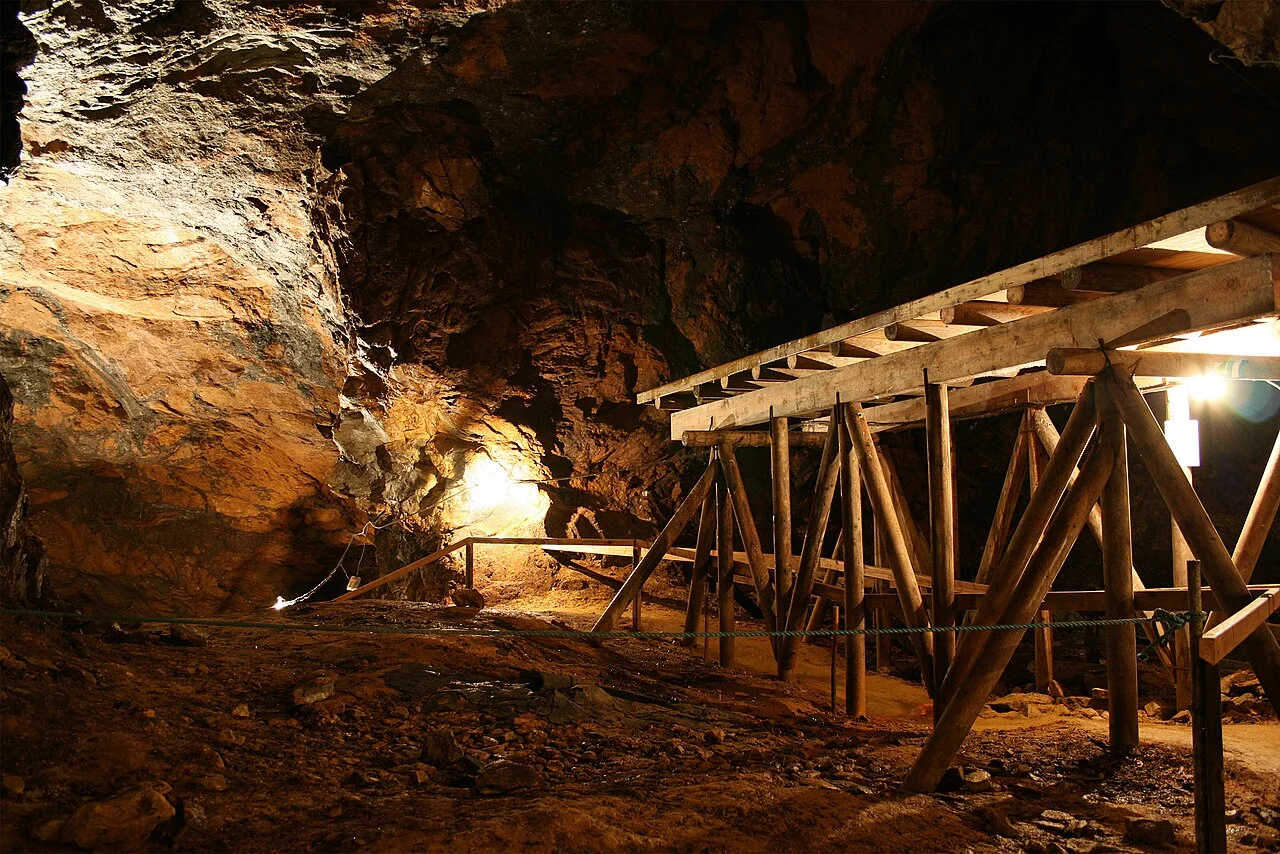
Olav’s Mine offers a direct encounter with the underground side of the region’s mining history. It lies outside the central town and should be approached as a booked or confirmed guided activity. It is not an informal place to explore independently, nor a quick extra between two central shops.
Confirm the tour, meeting point, equipment advice and transport before setting out. The underground environment has its own temperature and physical demands, which may differ from conditions in town. Ask the operator about access or mobility questions rather than assuming a general attraction listing answers them.
Allow enough time for travel, arrival and the return as well as the tour itself. Bring the clothing and footwear recommended by the museum. If a suitable visit or transport is unavailable, keep your focus on Smelthytta and the town rather than substituting an unplanned exploration of mine workings.
8. Explore the Storwartz mining landscape
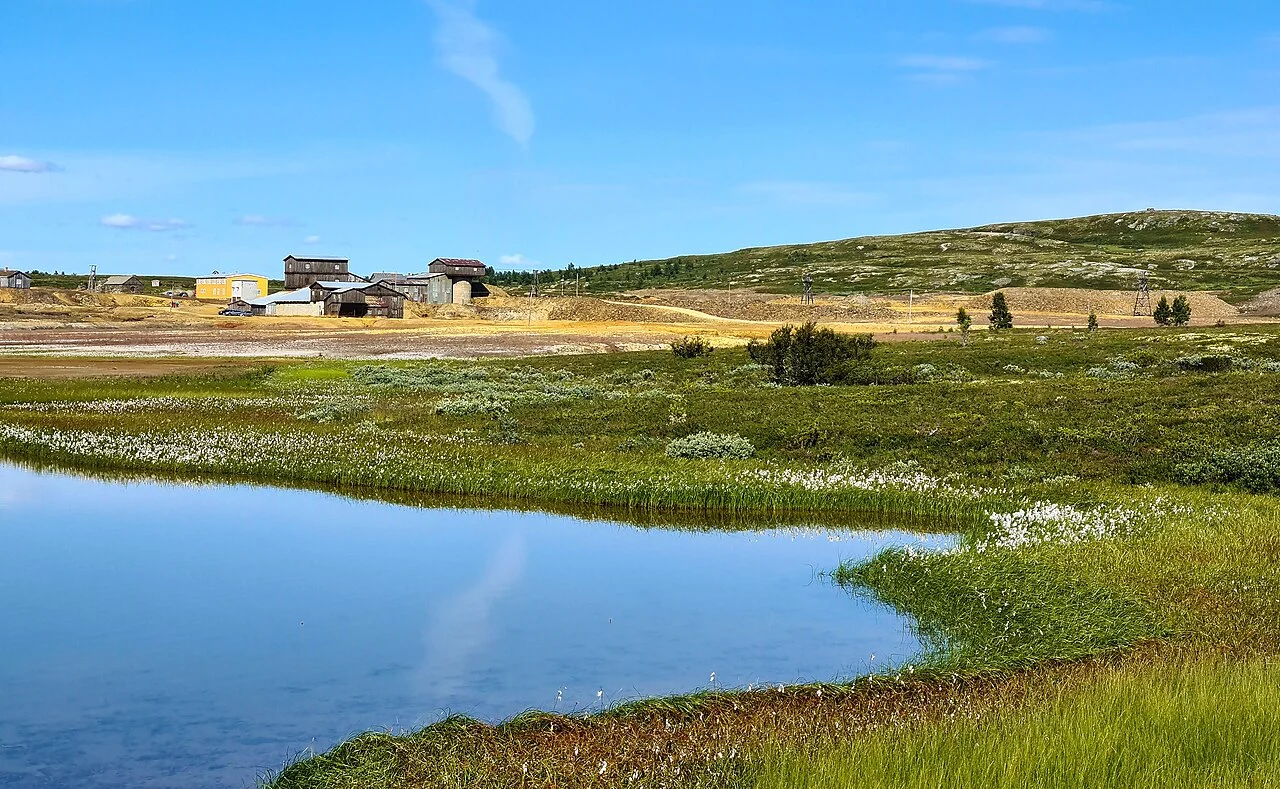
The Storwartz area shows the surface landscape associated with mining beyond the town. It complements Olav’s Mine but is not identical to going underground. Use the museum or official heritage information to identify a permitted route and understand the features rather than approaching the area as open ground without restrictions.
A combined mine and landscape outing can be worthwhile with enough time, suitable conditions and transport. Do not assume all industrial buildings or remains can be entered. Interpretation and a controlled walking route provide a safer and more informative experience than wandering between unidentified structures.
This exposed upland setting deserves proper footwear and weather preparation. Shorten the walk if conditions deteriorate and keep to the route you have selected. The aim is to understand how the mining landscape connects to Røros, not to cover a maximum distance or collect every industrial remnant in a single visit.
9. Make time for regional food and craft
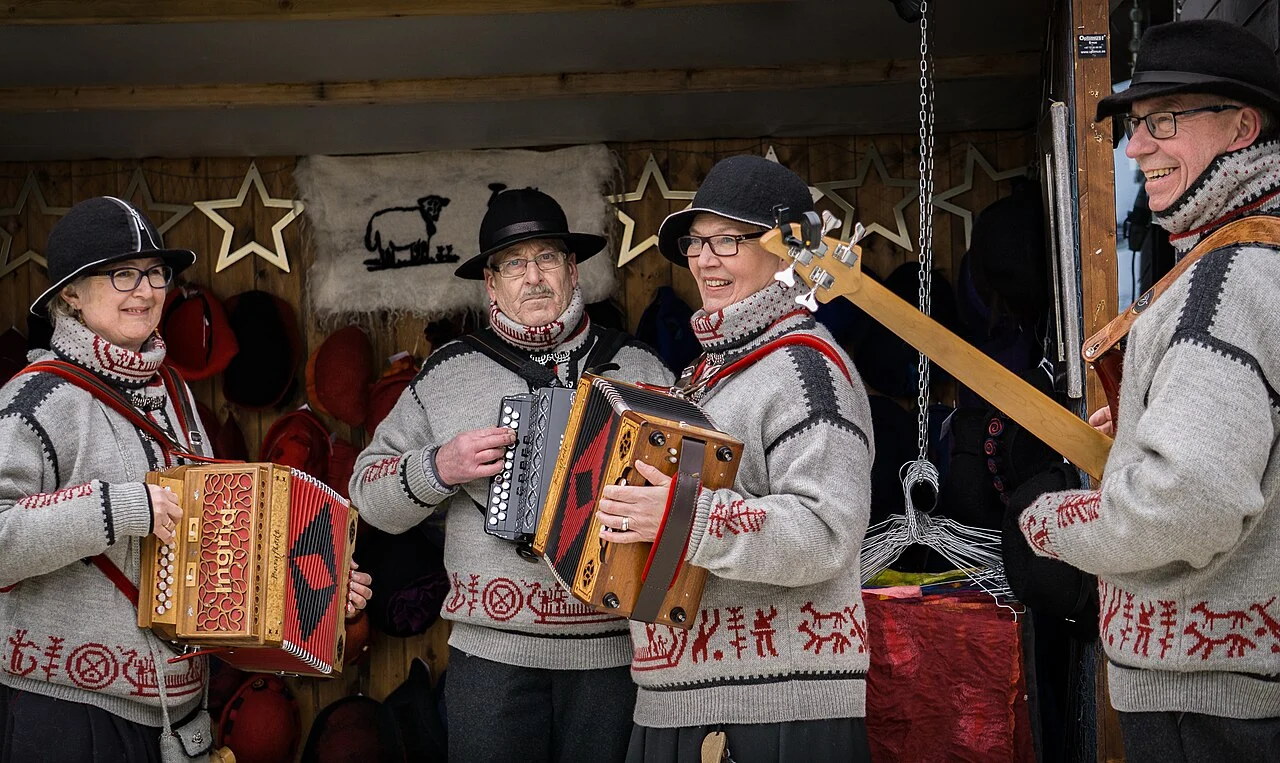
Food and craft add a present-day dimension to Røros’s historic setting. Look for businesses that explain the origin of what they sell, and choose a meal or shop visit according to your interests. A thoughtful conversation or a carefully chosen local product can be more rewarding than a quick sequence of purchases.
Specific menus, producers and demonstrations change, so check directly if a particular experience matters. Do not assume that a shop is also a workshop open for observation. Ask before photographing people at work and respect the practical needs of small businesses, especially during busy periods.
Leave this part of the visit relatively flexible. A warm indoor pause is particularly useful in winter, while a longer meal can provide a natural break after the museum or mine excursion. Avoid judging the authenticity of the whole town by a single restaurant or souvenir display.
10. Use Doktortjønna for a gentler outdoor pause
Doktortjønna offers an outdoor counterpoint close to the town, with the area also connected to visitor interpretation about the surrounding natural environment. It can suit a gentler break when you do not want another major heritage interior or an outlying excursion. Check the current visitor programme before expecting staffed activities.
Choose a manageable public route and keep the season in mind. Summer recreation, indoor interpretation and winter walking are different experiences, so do not transfer assumptions between them. If you want information about a national park outing, use reliable visitor guidance rather than treating a town-side stop as the park itself.
Respect water edges and local signs, and keep children supervised. A quiet hour outdoors can be sufficient after a concentrated morning of history. For a more ambitious wilderness day beyond Røros, plan separately with suitable transport, equipment and current route information instead of extending this short stop impulsively.
Realistic Røros itineraries
One day: town and industrial context
Begin with a historic street walk, then make Smelthytta the main indoor visit. After lunch, explore the church surroundings, Sleggveien and an appropriate public view of the industrial landscape. Add an interior church visit only if access fits. Finish with a meal or local craft stop. This is a complete first day without trying to reach the mine, and it leaves enough time to understand what you are seeing rather than moving continuously between attractions.
Two days: add a guided perspective
Use day one for the museum and town, then join a confirmed guided town walk or revisit the places that interested you most. On the second day, arrange Olav’s Mine if a suitable tour and transport are available. Keep the remaining hours flexible for a meal and a short outdoor pause. In winter, the mine journey and cold-weather logistics can use more time than expected, so avoid booking another substantial activity immediately afterwards.
Three days: include the wider mining landscape
After time in town and a mine visit, use the extra day for a suitably planned Storwartz surface outing or a slower town-based day with food, craft and Doktortjønna. Let conditions determine the balance. The surface landscape and underground mine can be grouped if the operator’s programme and your transport make that sensible, but do not assume that this creates a spare day for an unplanned wilderness excursion. Enjoy the opportunity to revisit the town with better context.
Practical travel tips
- Check the location of every activity. Smelthytta is in the town, while Olav’s Mine and the Storwartz mining area require a separate journey. A common destination label does not make their entrances adjacent or ensure convenient public transport between them.
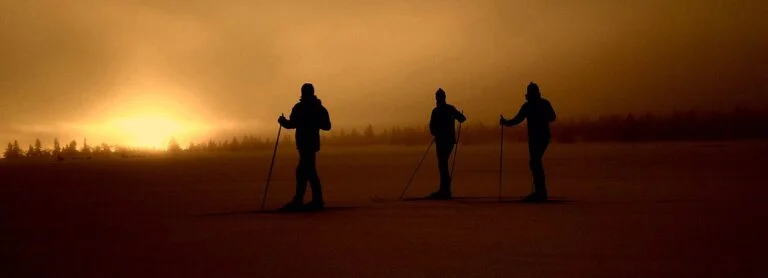
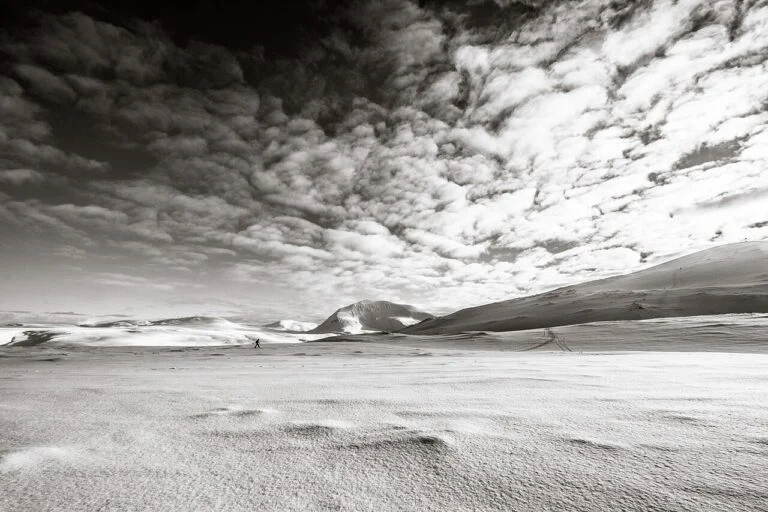
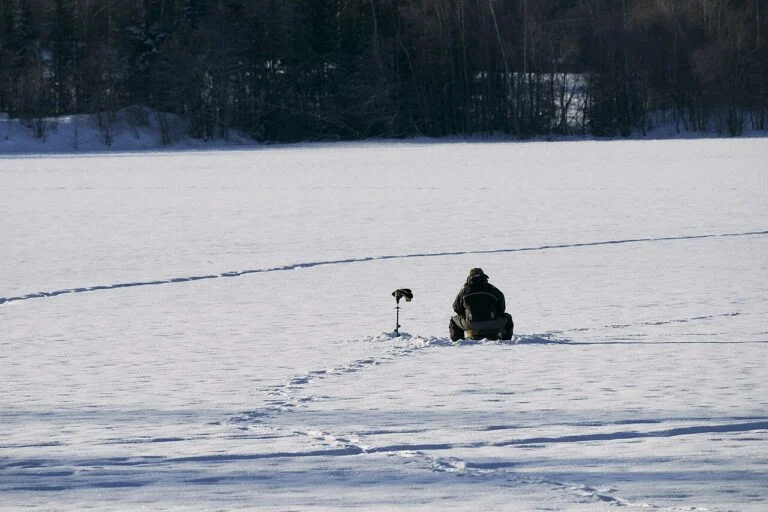
- Prepare for the upland climate. Wind, cold, ice and reduced daylight can change how much outdoor sightseeing is comfortable. Bring appropriate layers and footwear, and let shorter walks or indoor breaks shape the day instead of treating a summer itinerary as a fixed winter plan.
- Respect the living town. Attractive houses and yards are not all visitor attractions, and residents should not have to negotiate cameras at their door. Stay on public routes, ask before photographing people closely and use the museum properties for structured interior visits.
- Book or confirm organised experiences before travelling. Mine tours and guided town walks have their own schedules, languages and access requirements. Check what a tour includes so you do not book duplicate church or museum experiences or arrive at an unsuitable meeting point.
- Understand the difference between a nearby outdoor stop and a wilderness excursion. Doktortjønna can provide a manageable town-side pause; exploring the wider region requires its own route, conditions, transport and equipment checks. Distance from the centre is not the only measure of difficulty.
Frequently asked questions
Is Røros worth two nights?
Two nights can give you a full town-and-museum day plus time for a mine visit or a slower second morning. A longer stay is particularly useful if transport and organised activity schedules do not align with a short arrival window.
Can I reach Olav’s Mine on foot from the centre?
Do not treat it as a normal central sightseeing walk. The mine is outside town and needs separate transport planning. Check the current operator advice and arrange the full outward and return journey before confirming a tour.
Can I enter the mine independently?
No independent exploration should be assumed. Use the museum’s current organised visitor arrangements and follow the guide’s instructions. Historic mine workings are not places to enter because an entrance or path appears accessible.
What is the difference between Smelthytta and the mine?
Smelthytta is the town museum with industrial and community interpretation. Olav’s Mine is an outlying underground visitor experience. They complement one another but involve different locations, access and time commitments.
Is a winter visit practical?
Yes with appropriate preparation and current opening checks. Cold, ice and limited daylight mean you should allow warm breaks, shorter outdoor sections and extra time for travel. Do not assume a summer route has the same conditions.
Is Røros only a preserved historic site?
No. It is also a living community with residents, businesses and contemporary cultural life. A respectful visit combines heritage interpretation with ordinary streets, food and craft, while keeping private spaces separate from public attractions.
Continue exploring Norway
Sources and current travel checks
Official tourism, museum and operator information informed this guide. Opening calendars, access, fares and transport can change; follow these sources for your travel dates. Suggested visit lengths and itineraries are editorial planning allowances.
Choose accommodation and plan Røros
Compare accommodation options alongside the places you want to visit. Check the journey to the property before reserving.
Plan experiences around your stay
These guides compare regional options and practical considerations. Check the actual departure point; a related guide is not a promise that every activity is available in this town.