10 Best Things to Do in Farsund and Lista: A Practical Guide
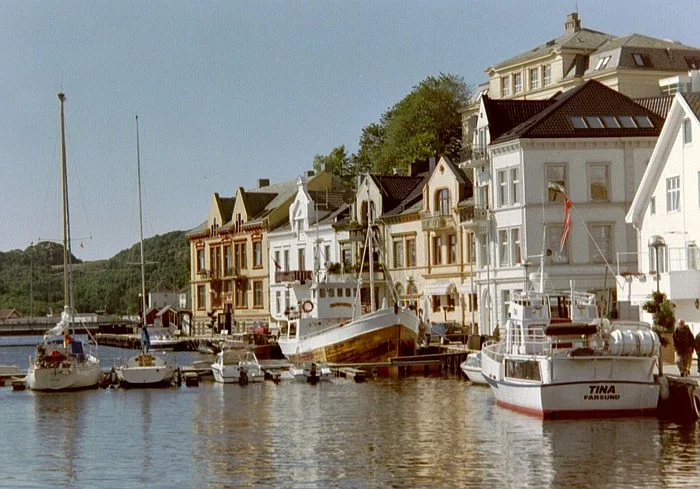
Farsund and Lista offer two complementary versions of southern Norway. Farsund has a harbour, streets and viewpoints that suit a compact town walk. The Lista peninsula opens into a broader coastal landscape of beaches, fields, stone walls and exposed sea. Together they make a good base for visitors who value nature and local history as much as a conventional sightseeing circuit. This is a place to move slowly, watch the weather and notice how the coast changes between a sheltered quay and an open headland. Two full days allow a sensible introduction to the town and part of Lista. A third creates room for a longer coastal walk, birdwatching or a deeper museum visit. A car can make dispersed places easier to combine, but cycling and public transport may work for selected routes after proper checks. Do not assume that all the places below form a single short walk. Visitor services, tower access and museum openings have their own calendars. The suggestions prioritise workable combinations, with enough flexibility to exchange an exposed outdoor afternoon for a sheltered or indoor experience.
Farsund and Lista: quick answers
- Worth visiting?
- Yes, for historic harbour streets, lighthouse landscapes and birdlife.
- Time needed
- Two days for Farsund and Lista; three for more coastal walks.
- Best time
- Late spring to autumn; bird migration and exposed coastal weather vary by season.
- Cost level
- Moderate to high; public coastal viewpoints are free, transport and lodging dominate.
- Getting around
- Walk in Farsund; a car or planned transport helps for Lista.
- Top priorities
- Farsund harbour, Varbak, Lista Lighthouse.
How this list was selected: NorwayTop10’s editorial choices balance distinctive places, practical access and variety for a first visit. The order is a planning guide rather than a public vote. Outings beyond the destination are identified in their descriptions; ten entries do not mean ten stops in one day.
Compare the ten options
Times are editorial planning allowances, not operator schedules. Add travel and waiting time unless the row explicitly describes a whole outing. For guided experiences, use the confirmed booking duration. See each description for terrain and seasonal restrictions.
| Place or activity | Access to plan | Time to allow |
|---|---|---|
| Farsund harbour and town streets | Town centre on foot | 45–90 min |
| Varbak viewpoint and park | Uphill local walk | 45–60 min |
| Lista Lighthouse | Road or dated bus connection | 1–1½ hr at the site, plus travel |
| Visitor Centre Wetland Lista and birdwatching | At the lighthouse area | 1–2 hr |
| Nordberg Fort and Lista Museum | Road trip to Nordberg | 1½–2 hr |
| Penne rock carvings and cultural landscape | Road approach and short local walk | 45–60 min |
| Lomsesanden and the Lista beaches | Choose a public beach access | 1–2 hr |
| Einarsnes coastal paths | Road approach and marked coastal path | 1–2 hr on a selected route |
| Loshavn historic outport | Road trip | 1–2 hr, plus travel |
| Vanse and the American Lista connection | Road or dated bus connection | 1–2 hr, plus travel |
1. Farsund harbour and town streets
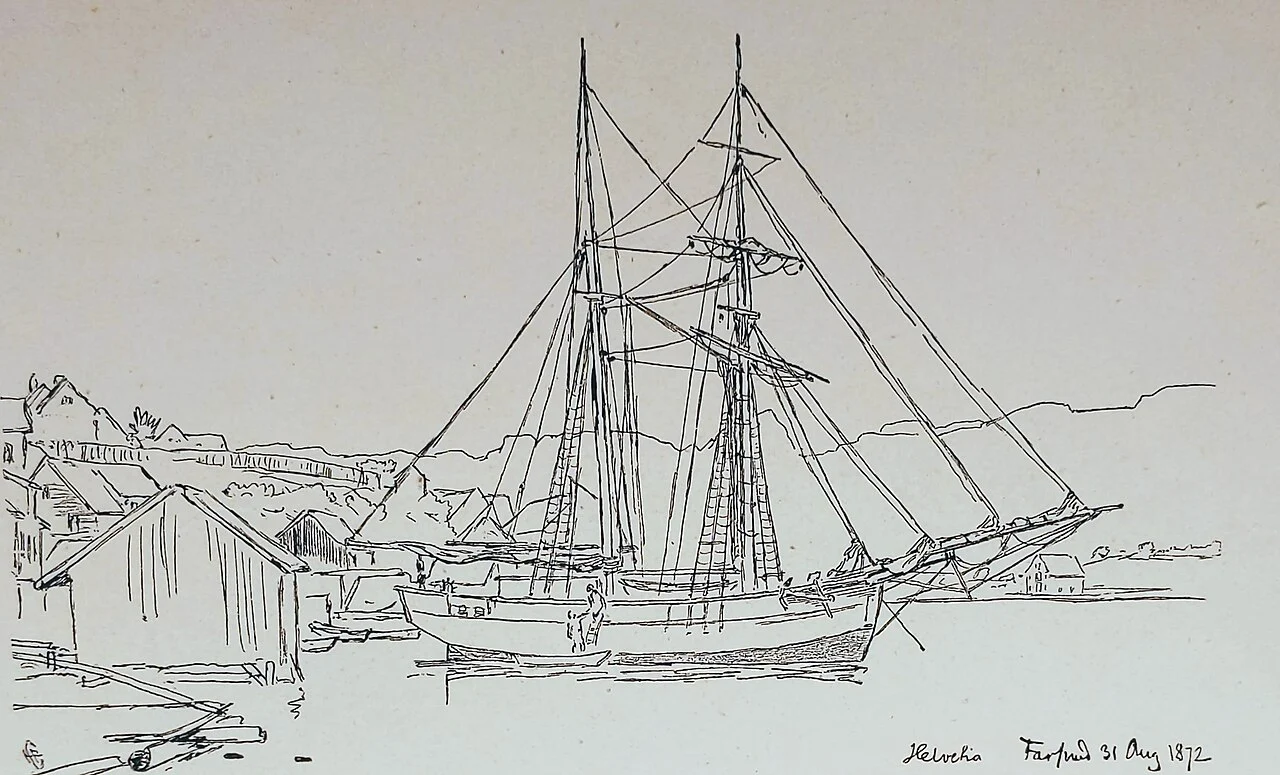
Begin at Farsund’s harbour to understand the town’s sheltered maritime setting before heading onto the more exposed Lista coast. Quays, streets and older buildings provide a useful introduction at walking pace. The point is not to see every facade but to spend time where the town meets the water, then explore the streets that lead away from it.
Use a modest central circuit as an arrival-day activity or combine it with lunch and the Varbak viewpoint. It is a sensible alternative when the outer coast is too windy for comfort. Check local visitor information if you want a guided walk; otherwise, leave room for observation rather than filling the route with uncertain building histories.
Waterfront businesses have different opening patterns, especially outside summer. Choose the place you want to eat from current information instead of assuming every quay is lined with open restaurants. Respect working harbour areas, moorings and private entrances, and keep children close beside the water even when the town feels quiet.
2. Varbak viewpoint and park
Varbak gives Farsund a higher perspective, helping you connect the harbour and surrounding waterways after walking the centre. It is a useful choice for visitors who enjoy a viewpoint without travelling far out into the region. The park setting also offers a different pause from remaining among the shops and quays throughout the day.
Check the local route and choose the approach according to your mobility and the ground conditions. A short distance on a map can still include a climb. Clearer weather makes the view more rewarding, so consider moving this stop within the day rather than treating a fixed morning or evening visit as essential.
Wear footwear suitable for the actual path and keep away from slippery edges. Visitors requiring step-free access should seek specific local advice instead of assuming a town park has a uniform surface. If the ascent is unsuitable, remain with the harbour circuit; seeing the town from above is an addition, not a requirement for a worthwhile visit.
3. Lista Lighthouse
Verified planning detail: Lista Lighthouse's published winter hours, checked 23 November 2026, are Saturdays and Sundays from 12:00 to 16:00 between 2 November and 30 April. Groups can arrange visits separately. Official visitor information.
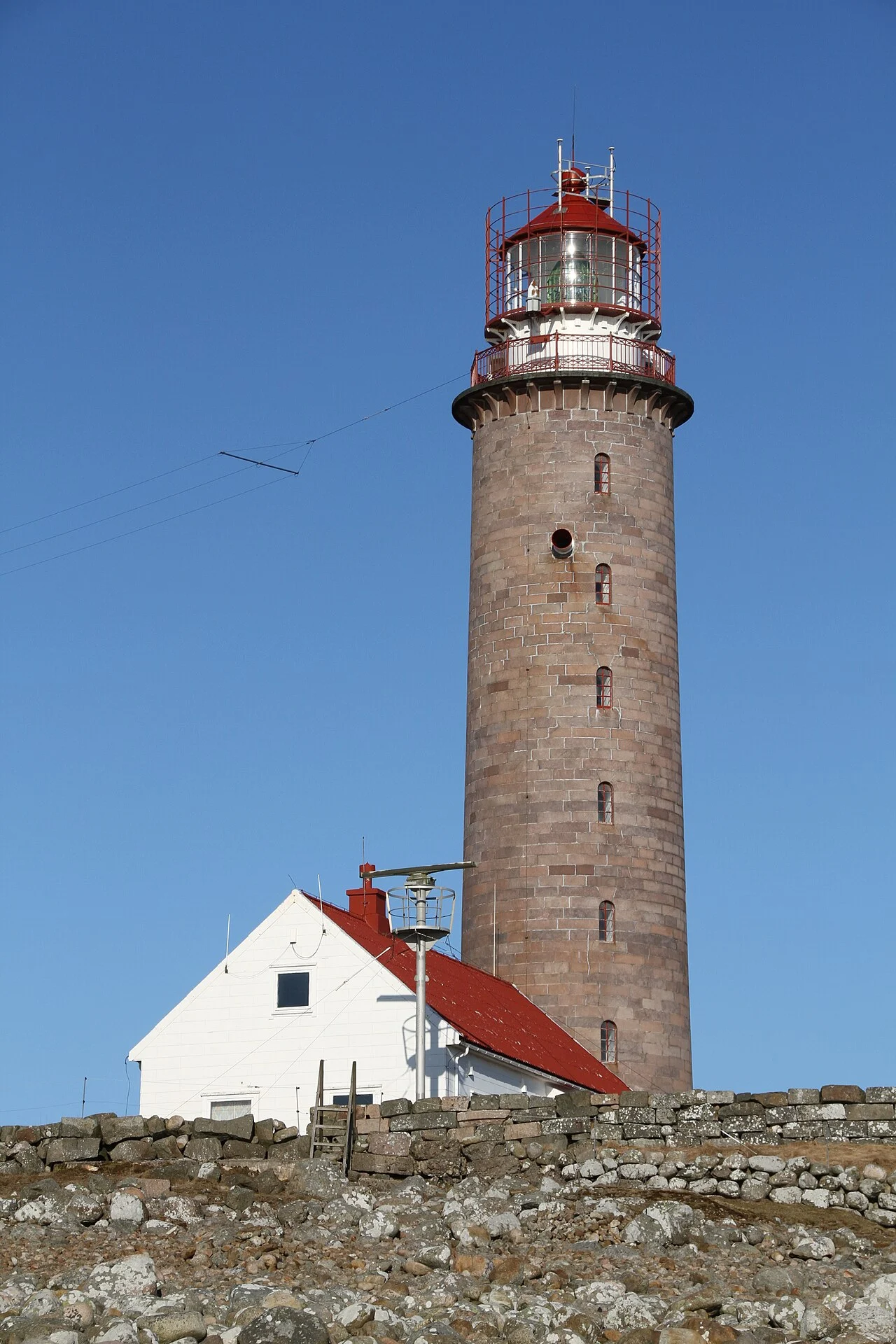
Lista Lighthouse is a clear focal point for exploring the peninsula. Its setting beside the open coast is as important as the tower itself, making it a useful transition from Farsund’s sheltered townscape. It can anchor a day that also includes natural history or nearby cultural-landscape stops without requiring you to drive around every beach.
Check the operator’s current arrangements for the tower, exhibitions and visitor services before travelling. Do not assume that arriving at the lighthouse grounds guarantees entry into every building. Give yourself enough time to look at the sea and surrounding landscape as well as any booked or open indoor experience.
Wind can make a low-lying coastal place feel much harsher than expected. Bring a protective layer and stay well back from hazardous shore edges. Tower access may involve restrictions or stairs, so ask directly if access matters to your group. A lighthouse visit should not depend on approaching waves for a dramatic photograph.
4. Visitor Centre Wetland Lista and birdwatching
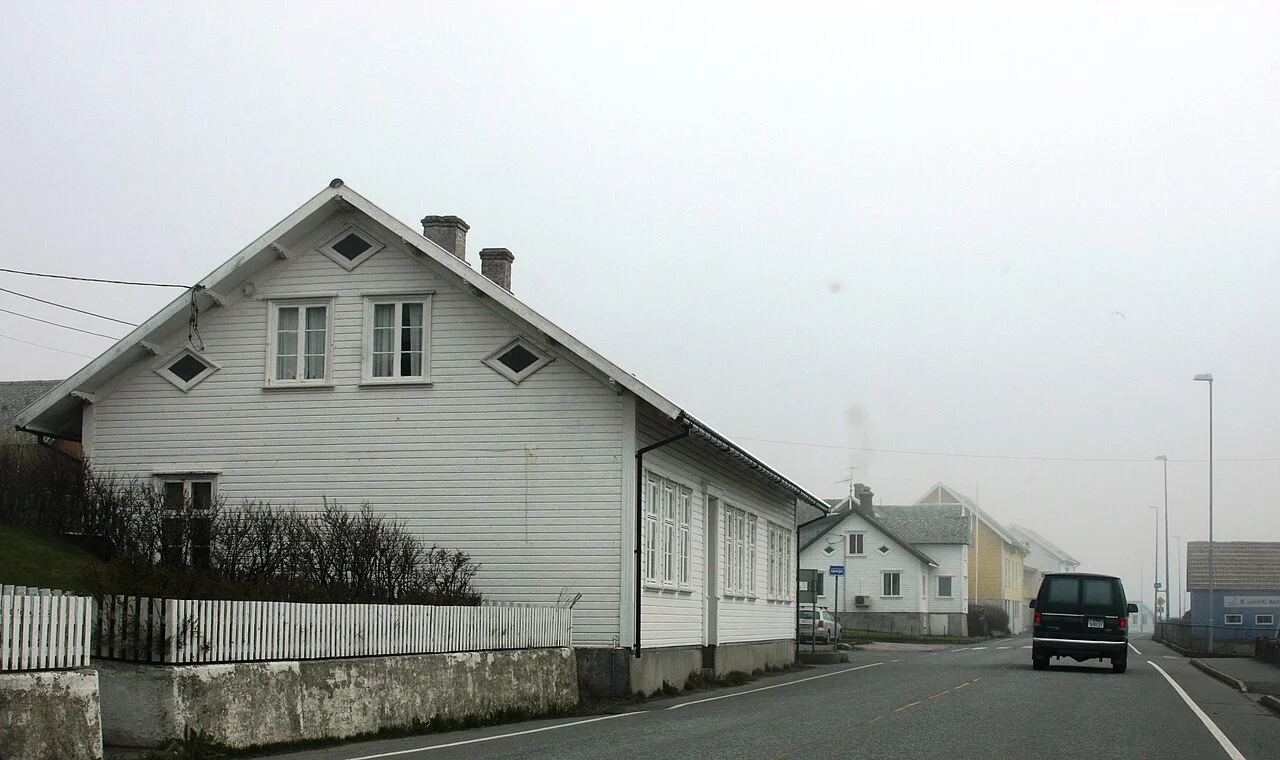
The wetland visitor centre at the lighthouse adds an explanation of the natural landscape beyond the obvious sea view. It introduces the area’s wetland protection and bird migration, helping visitors understand why fields, shoreline and water deserve attention as connected habitats. It is worthwhile for curious beginners as well as experienced birdwatchers.
Check opening and any guided activity with the centre. Bring binoculars if you have them, but do not build the day around a promised rare species. Bird activity depends on season, weather and chance. A shorter period spent watching patiently can be more rewarding than repeatedly driving between places in pursuit of an unverified sighting.
Keep to permitted routes, avoid disturbing feeding or nesting birds and follow seasonal restrictions. Do not enter observatory working areas without an invitation or assume scientific activities are public demonstrations. The protection of the habitat takes priority over getting closer to an animal, and responsible observation is part of the experience rather than an optional courtesy.
5. Nordberg Fort and Lista Museum
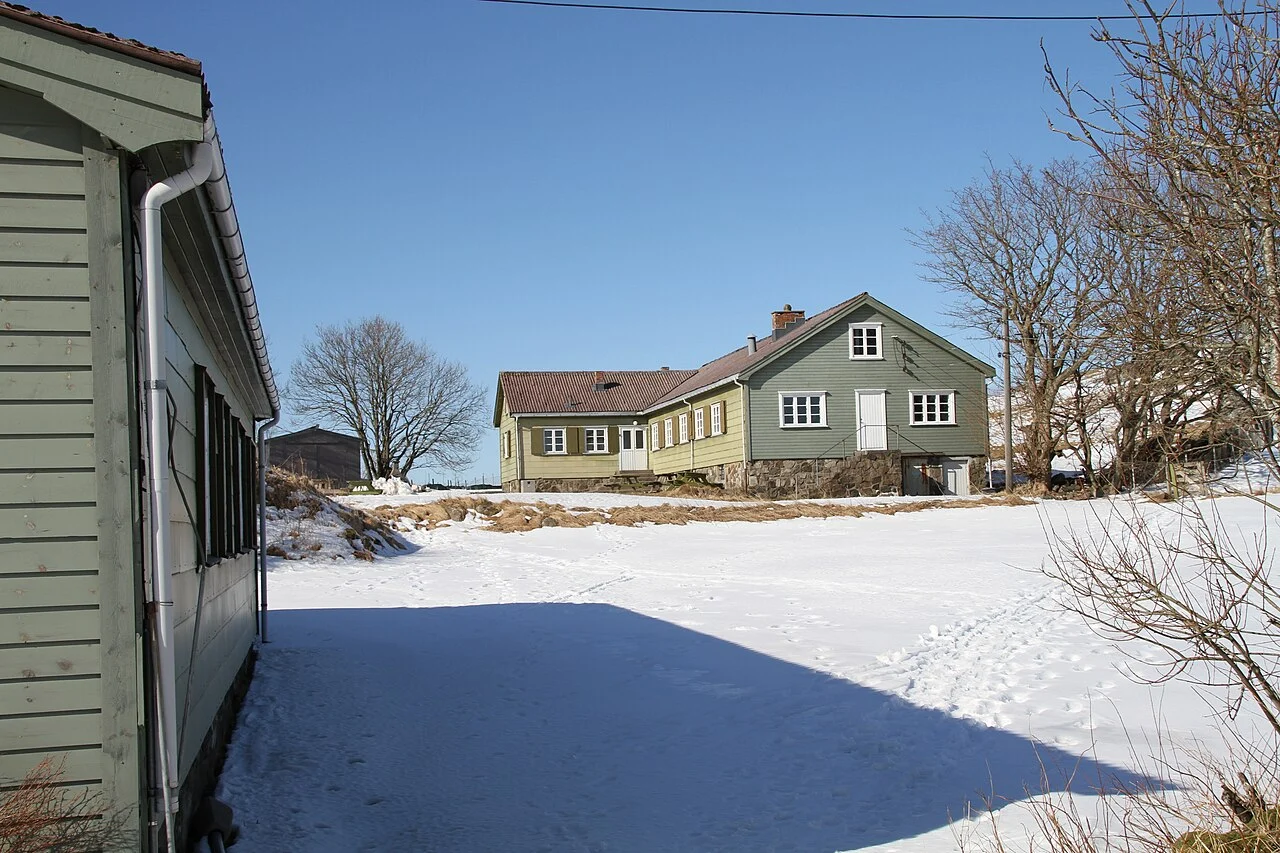
Nordberg Fort combines a Second World War site with museum interpretation of Lista’s wider history. Its surviving military setting adds a different perspective to the open coastal landscape, while the museum offers a substantial indoor component. Choose it when you want context for the region rather than simply another scenic stop beside the sea.
Check the museum’s current public calendar, exhibitions and guided arrangements before planning your route. Outside the main season, access may be concentrated on particular days or events. Pair Nordberg with nearby cultural-landscape places when practical, but give the museum enough time instead of arriving only to meet a closing deadline.
Follow signs around historic structures and do not enter closed or unsafe spaces. Outdoor access and exhibition access are separate questions. Some programmes or exhibitions can have distinct arrangements, so verify them directly. Visitors with accessibility requirements should consult the museum’s information about paths and buildings rather than relying on the open appearance of the site.
6. Penne rock carvings and cultural landscape
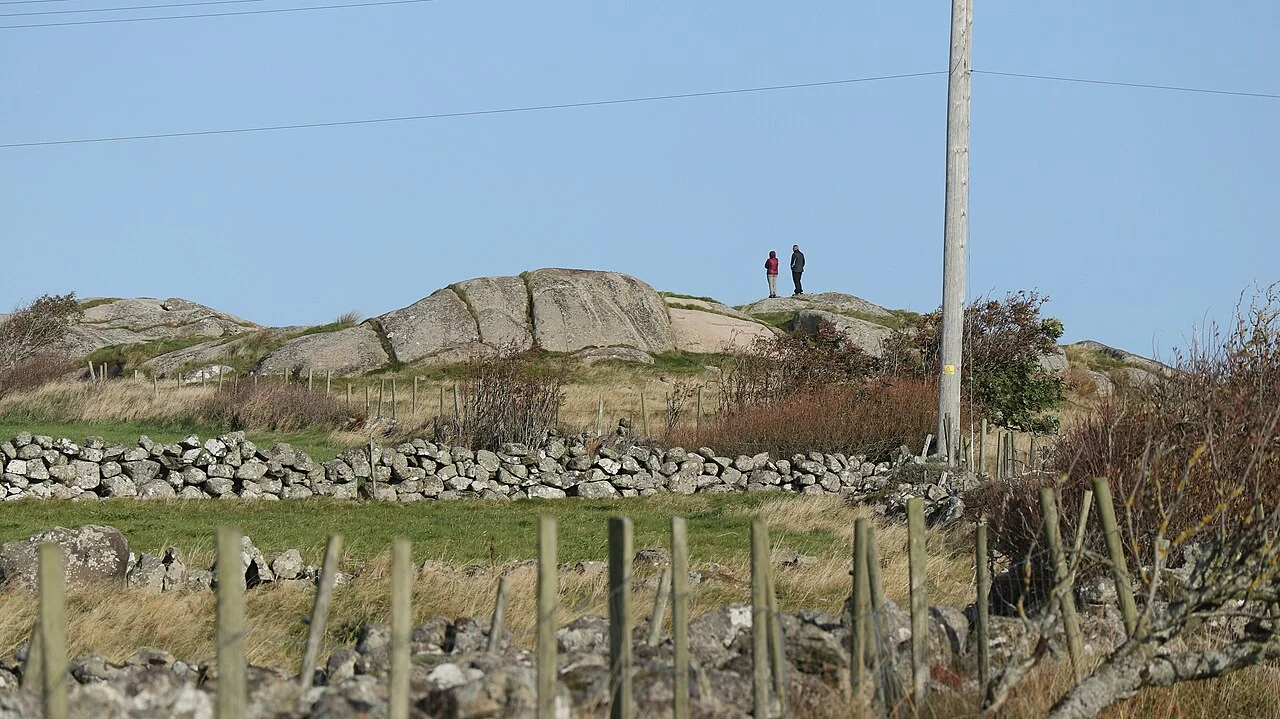
The Penne area brings an older layer of human history into a Lista itinerary. Rock carvings and the surrounding cultural landscape invite a different pace from a lighthouse tower or a museum display. It is a place to look carefully, use the interpretation provided and consider how the visible ground has been shaped over a much longer period.
Combine a visit with Nordberg if the access route and conditions suit your group. Use current local visitor information to find the permitted approach. The carvings can be less visually obvious than a reproduced photograph suggests, so allow time to read the signs and understand what you are looking at rather than expecting a dramatic painted exhibit.
Never trace, chalk, wet, clean or otherwise interfere with rock art to improve a photograph. Stay on the indicated route and avoid trampling sensitive ground or crossing private fields. A respectful visit leaves the site unchanged. If poor conditions make the surface difficult to navigate, use museum interpretation and return when the outdoor setting is more suitable.
7. Lomsesanden and the Lista beaches
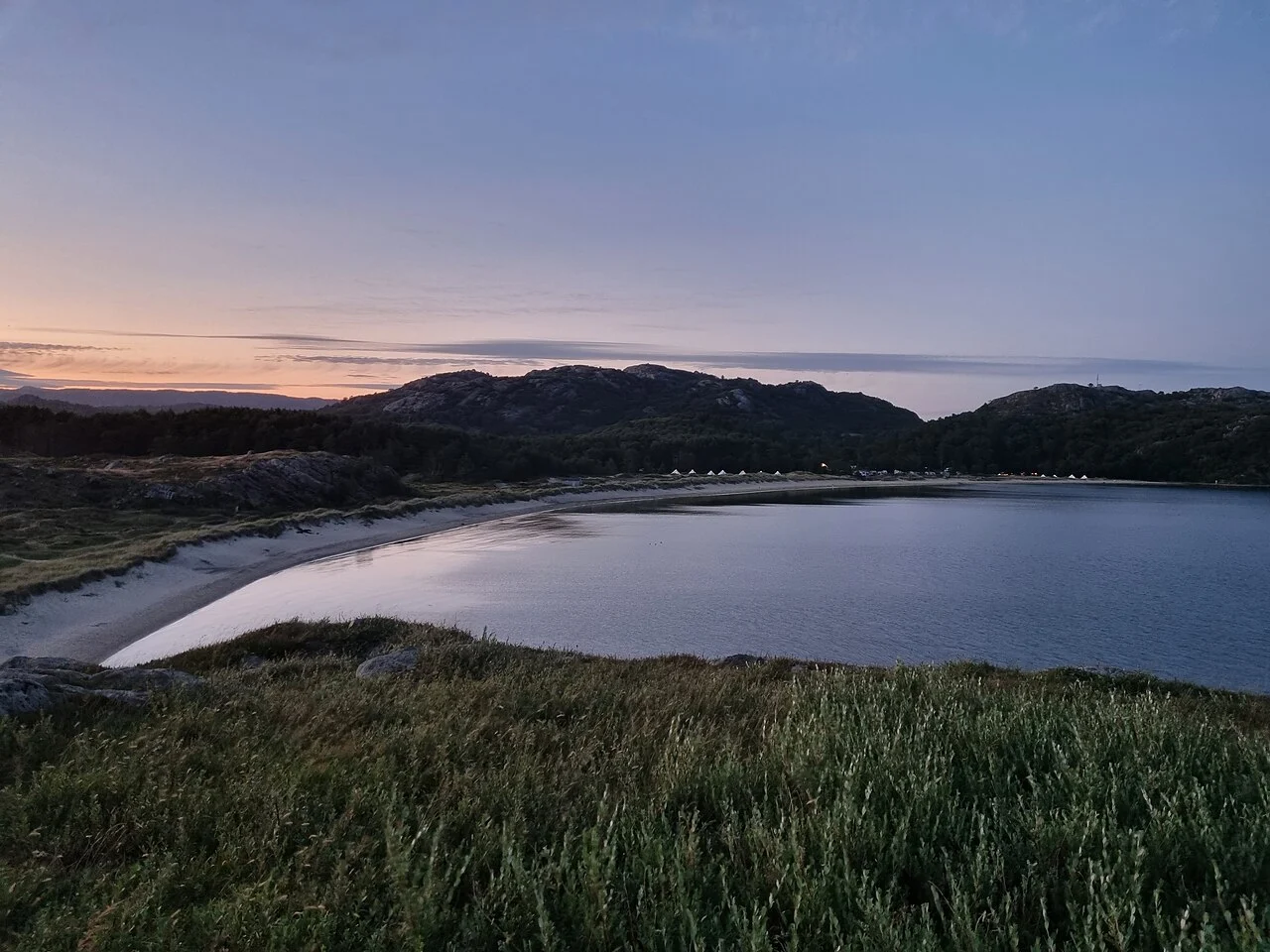
The long sandy coast is one of the principal reasons to spend time in the Farsund and Lista area. Lomsesanden is a useful starting choice, while other beaches offer different exposures and surroundings. The attraction is not only summer swimming: walking, watching the light and taking a picnic can make a rewarding visit in suitable conditions.
Choose one beach according to the wind, your interests and the available access rather than driving to every name on a map. Check local notices and keep facilities in mind if travelling with children. Pack food and layers when necessary, because a campsite or seasonal service nearby may not be open throughout your stay.
Open sandy beaches can have surf, currents and cold water. Assess conditions before entering and do not treat visual beauty as evidence of safety. Protect dunes and wildlife by following established paths. A windy day may call for a short shoreline walk, while more severe weather is a reason to choose a different activity entirely.
8. Einarsnes coastal paths
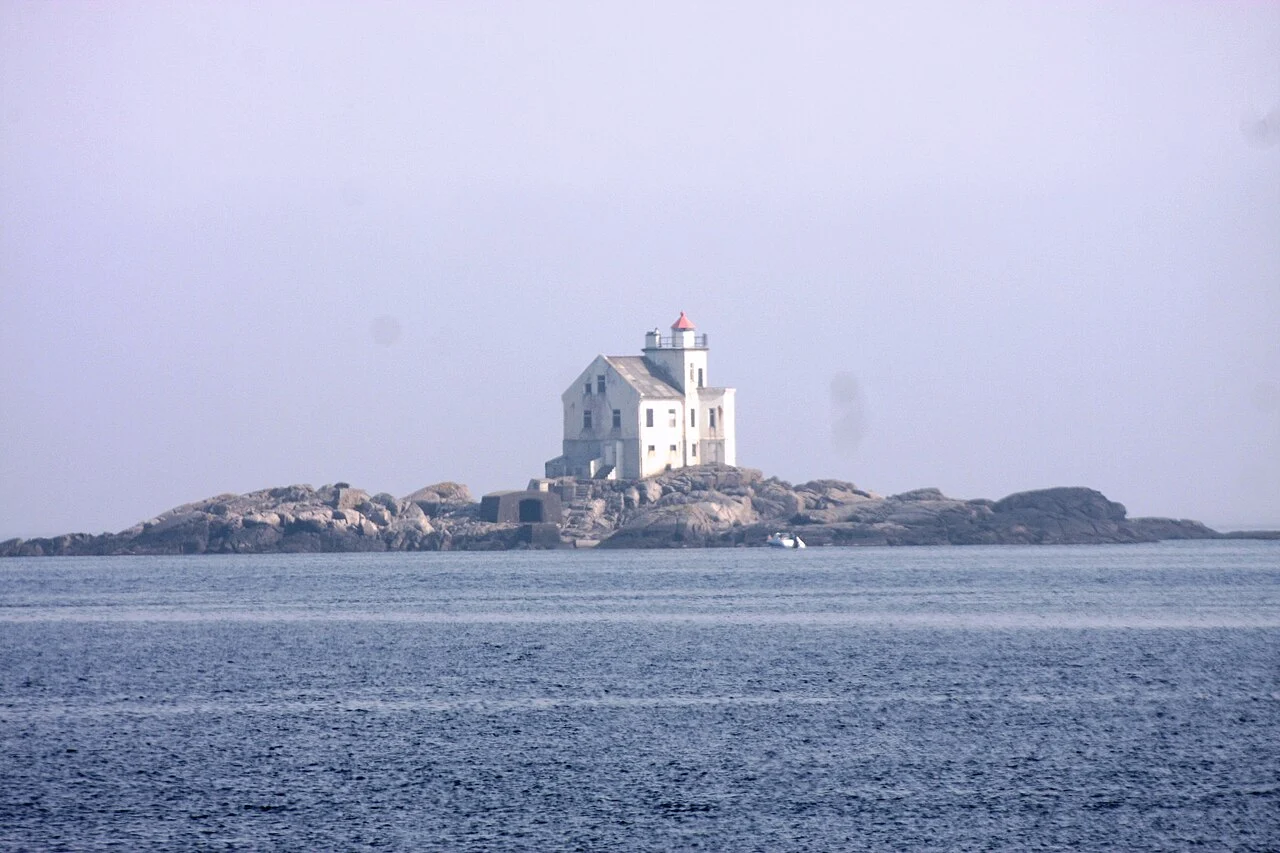
Einarsnes gives the beach landscape a more varied walking option, with paths and smaller coastal spaces rather than one long straight stretch of sand. It can suit visitors who prefer moving between viewpoints and sheltered pauses. Choose it as a main outdoor block when conditions are suitable instead of trying to append it to a full lighthouse-and-museum day.
Consult a local map for the approach from the Lomsesanden or Husebysanden area and decide how far you intend to go. Bring footwear suitable for uneven ground and allow time for stops. A route that looks short can still take longer when everyone wants to explore the shore or wait for a photograph.
Stay on public routes and respect private or protected areas. Small coves do not automatically provide safe swimming, and wind exposure can change as you move around the coast. Keep a clear idea of the return route and daylight. If the weather worsens, turn back rather than continuing around a headland solely to complete a circuit.
9. Loshavn historic outport
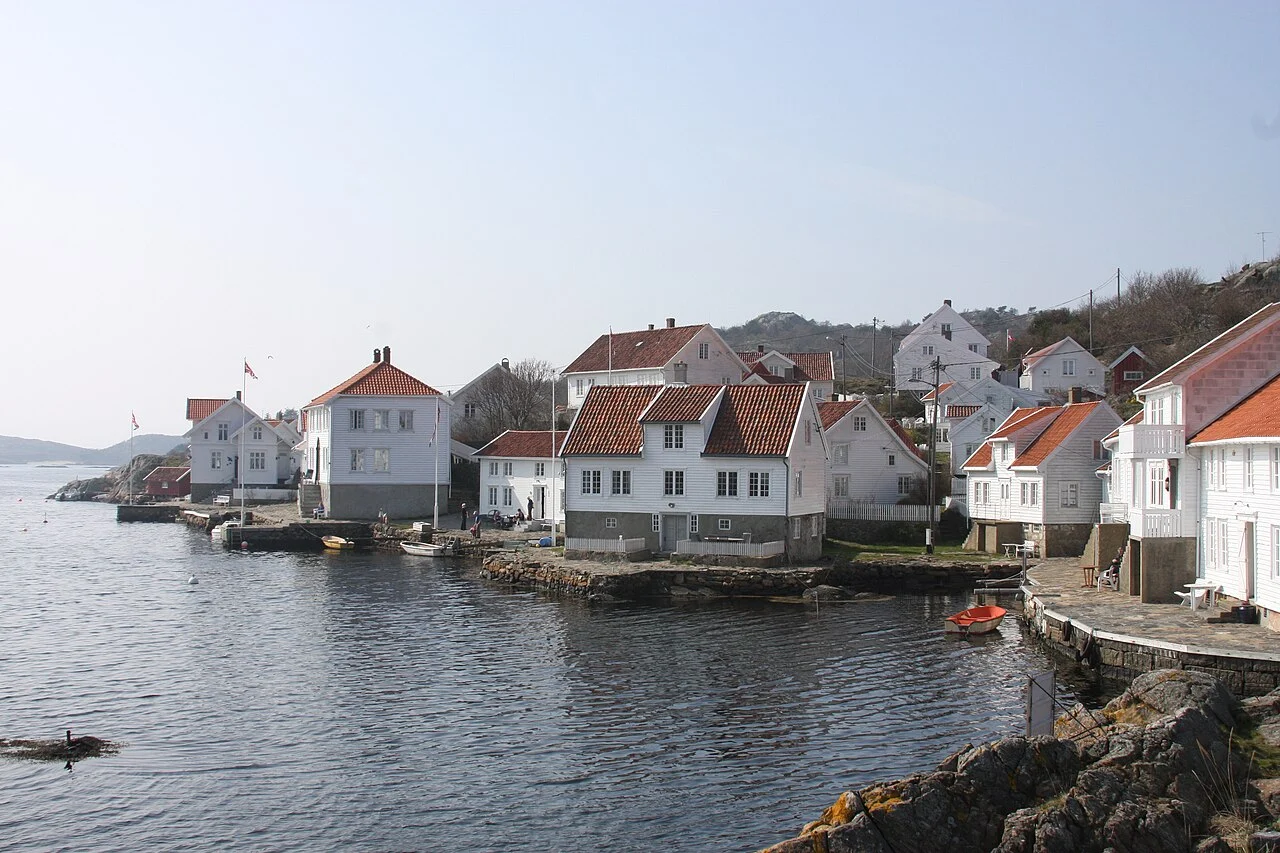
Loshavn offers a smaller harbour settlement south of Farsund and adds a different scale to the region’s maritime story. Its preserved wooden-house setting rewards a quiet walk rather than a search for a major visitor complex. It is particularly appealing to travellers who enjoyed Farsund’s streets and want another coastal place with time to observe details.
Plan the approach and parking or walking connection using current local information. A coastal route from the Lomsesanden area may be an option for suitable walkers, but include the return distance and conditions. If arriving by road, keep the visit modest and considerate rather than assuming narrow lanes are designed for unrestricted visitor traffic.
The houses are not a stage set. Keep to public areas, avoid blocking entrances and respect residents’ privacy. Shops or refreshments should not be assumed, so take what you need. The atmosphere is part of the appeal, and a respectful, unhurried visit is more appropriate than treating every waterfront building as a public attraction to enter.
10. Vanse and the American Lista connection
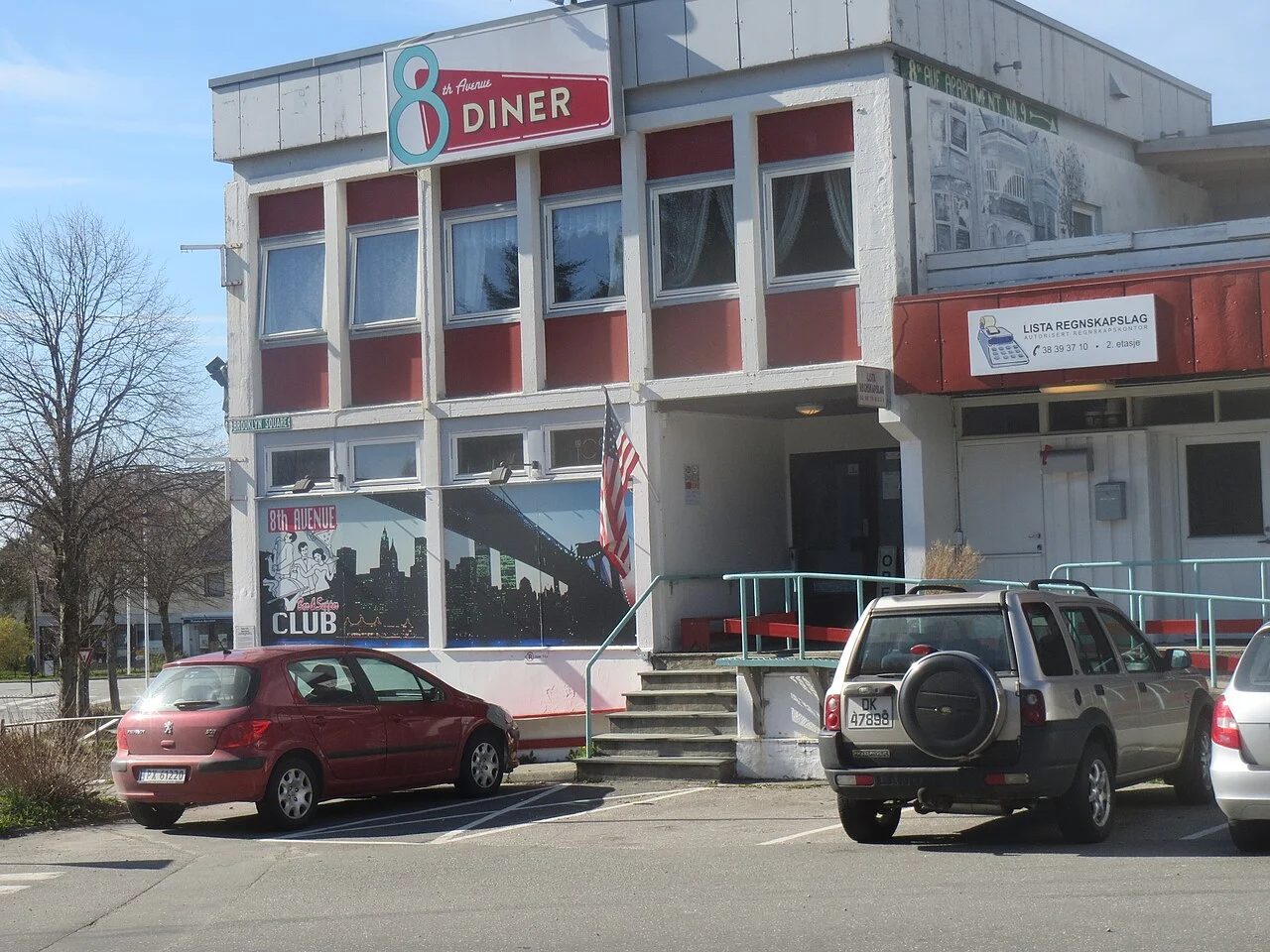
Vanse offers a cultural contrast to both Farsund’s harbour and the lighthouse coast. The area’s connections with emigration to the United States are reflected in local interpretation and American-inspired elements around the settlement. It gives visitors a reason to consider the lived history behind the surrounding farms and roads rather than viewing Lista only as scenery.
Use official local information to choose a small walking route or an open venue that explains the connection. Combine Vanse with another nearby stop rather than driving out solely for an assumed event. If a café, shop or exhibition is important, check its actual opening and availability before organising lunch around it.
An American theme does not mean the same festivities, displays or products are present all year. Avoid turning a general cultural description into a promise of a particular performance or festival. If the services you hoped for are closed, the wider landscape and the museums offer other ways to learn about migration and local identity.
Realistic Farsund and Lista itineraries
One day: choose town or peninsula priorities
Begin with Farsund’s harbour and a central walk. If conditions suit, add Varbak before lunch. For the afternoon, choose either Lista Lighthouse and the wetland visitor centre when open, or Nordberg Fort around confirmed access. Do not attempt every beach and historic settlement as well. A visitor chiefly interested in nature may reasonably shorten the town visit to give the coast more time; the important thing is to make that choice deliberately.
Two days: town and a connected Lista route
Use one day for Farsund, Varbak and a visit to Loshavn or Lomsesanden. Use the other for the lighthouse area, wetland interpretation and Nordberg when its calendar fits. Penne can be added as a careful cultural-landscape stop if time and conditions allow. Adjust the order so the windier period is not automatically assigned to the most exposed shore. Check transport before assuming all these places join into a convenient route without a car.
Three days: a slower outdoor focus
Reserve the third day for a longer Einarsnes walk, birdwatching or a selected cycle route using current local information. Vanse is another option for travellers more interested in local culture. Keep this extra day flexible: the best use may be revisiting a beach in calmer weather or giving a museum more time. Do not turn the added day into an attempt to reach every lighthouse and coastal endpoint in the municipality.
Practical travel tips
- Choose accommodation according to your main interests. Staying in Farsund supports evening town walks, while a peninsula base may reduce journeys for repeated nature visits.
- Check museum and lighthouse services separately. Outdoor arrival, tower access, exhibits and cafés can operate under different arrangements.
- Use the wind forecast as well as the rain forecast. An open coast can feel uncomfortable or become hazardous without heavy rain.
- Respect beach and wetland protection rules. Keep to established routes, control disturbance and never approach a bird simply to obtain a closer photograph.
- For cycling, use the official local route material and assess distance, surfaces and traffic. The flat appearance of parts of Lista does not mean every connection is easy or sheltered.
- Take supplies for dispersed outings. A picnic, water and an extra layer provide flexibility when a seasonal service is closed or the most comfortable stopping place changes with the weather.
Frequently asked questions
Should you stay in Farsund or on Lista?
Choose Farsund if you value a town setting and walking to evening food options, after checking what is open. A peninsula base can suit repeated outdoor outings. Compare actual journey times and services rather than assuming one location is universally better.
Do you need a car?
A car can simplify connections between the town, lighthouse, museums and beaches, but selected trips may work by public transport or bicycle. Check the full route and return before committing. The places in this guide are dispersed and do not form one short central walk.
Is Lista Lighthouse the same as Lindesnes Lighthouse?
No. They are different lighthouse destinations on the southern Norwegian coast. Use the correct operator, address and travel route when booking or navigating. Do not assume that ticket or opening information for one applies to the other.
Can you see birds throughout the year?
Birdwatching opportunities vary by season, weather and chance, and no particular species is guaranteed. The visitor centre and observatory information help explain what is relevant for your dates. Follow restrictions and observe from a respectful distance rather than chasing a sighting.
Is the area only worthwhile in summer?
No, but the style of visit changes. Walking, landscape and selected museum openings can remain appealing outside the main season, while services and daylight may be more limited. Check dates directly and build a plan that does not depend on swimming or every summer attraction being available.
How many days do you need?
Two days provide a useful town-and-peninsula introduction with clear priorities. Three allow a longer walk, more nature observation or flexibility for weather. A single day should concentrate on a few connected places instead of attempting to cover the full region.
Continue exploring Norway
Travel onward to Flekkefjord’s Hollenderbyen, street art and railway heritage for a change from Lista’s open coastline. Check the seasonal railway experience separately before designing your route around it.
Sources and current travel checks
Official tourism, museum and operator information informed this guide. Opening calendars, access, fares and transport can change; follow these sources for your travel dates. Suggested visit lengths and itineraries are editorial planning allowances.