Norway’s Coastal Voyage: 10 Ports and Planning Tips
Norway’s coastal voyage runs between Bergen and Kirkenes through working ports. Compare Hurtigruten and Havila, a full round voyage or a shorter leg, cabins, meals and time ashore.
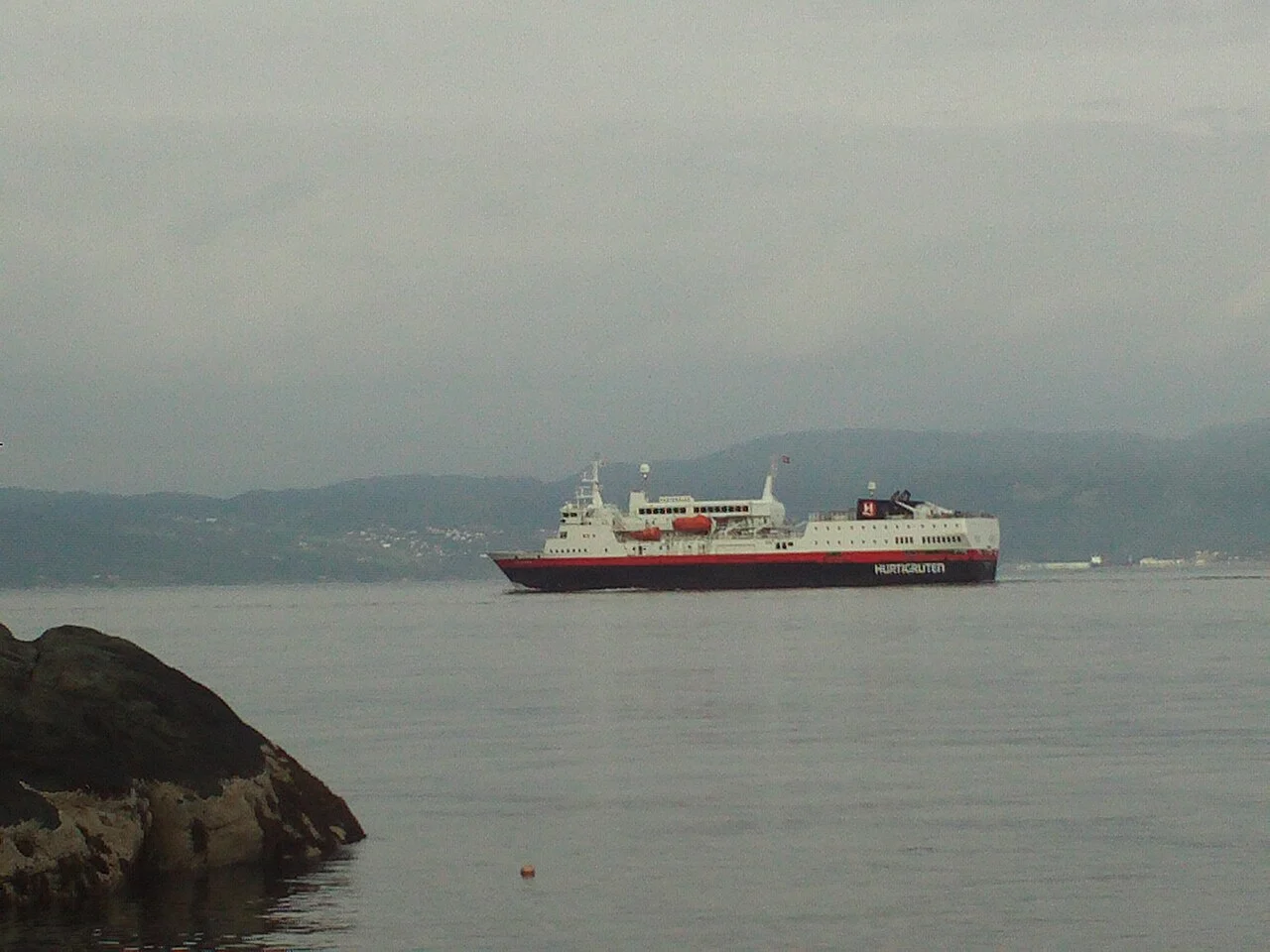
At a glance
- Worth it? Yes for coastline and working ports, with time aboard between calls.
- Time? Allow 12 days for the round voyage or choose a shorter leg.
- Season? Summer for daylight, winter for Arctic low light and possible aurora.
- Cost? Compare date-specific fares and meal, cabin and transfer inclusions.
- Transport? Check the exact terminal and leave a buffer at both ends.
- Priorities. Choose the direction, compare actual port calls and confirm the return deadline ashore.
1. Choose a round voyage, a full leg or a short sailing
Norway’s coastal voyage connects Bergen and Kirkenes through working ports. The ship is part of the transport network as well as a place to sleep, eat and watch the coast. That matters when you plan your time. Some calls last long enough for a walk or an excursion, while others are short stops for passengers and freight. Choose the trip by the places you want to see in daylight and the time you want to spend aboard.
Hurtigruten lists the Bergen–Kirkenes–Bergen round voyage as 12 days with calls at 34 unique ports. Havila Voyages also offers a 12-day round voyage. The full loop works for travellers who want to start and finish in Bergen and spend time on both directions. A port visited at night in one direction may have a daylight call in the other. Compare the timetables before assuming the two halves will feel alike. Allow time at either end if you also want to visit Bergen on land.
Choose a one-way leg if you want more time in the north or already have a route that starts there. Hurtigruten lists Bergen to Kirkenes as seven days and Kirkenes to Bergen as six. A shorter port-to-port sailing can suit a trip with only two or three days to spare, or replace part of an overland journey. Search the exact pair of ports for your date and read the fare terms. A short transport booking can come with different meal and cabin arrangements from a full voyage package.
2. Compare Hurtigruten and Havila on the same dates
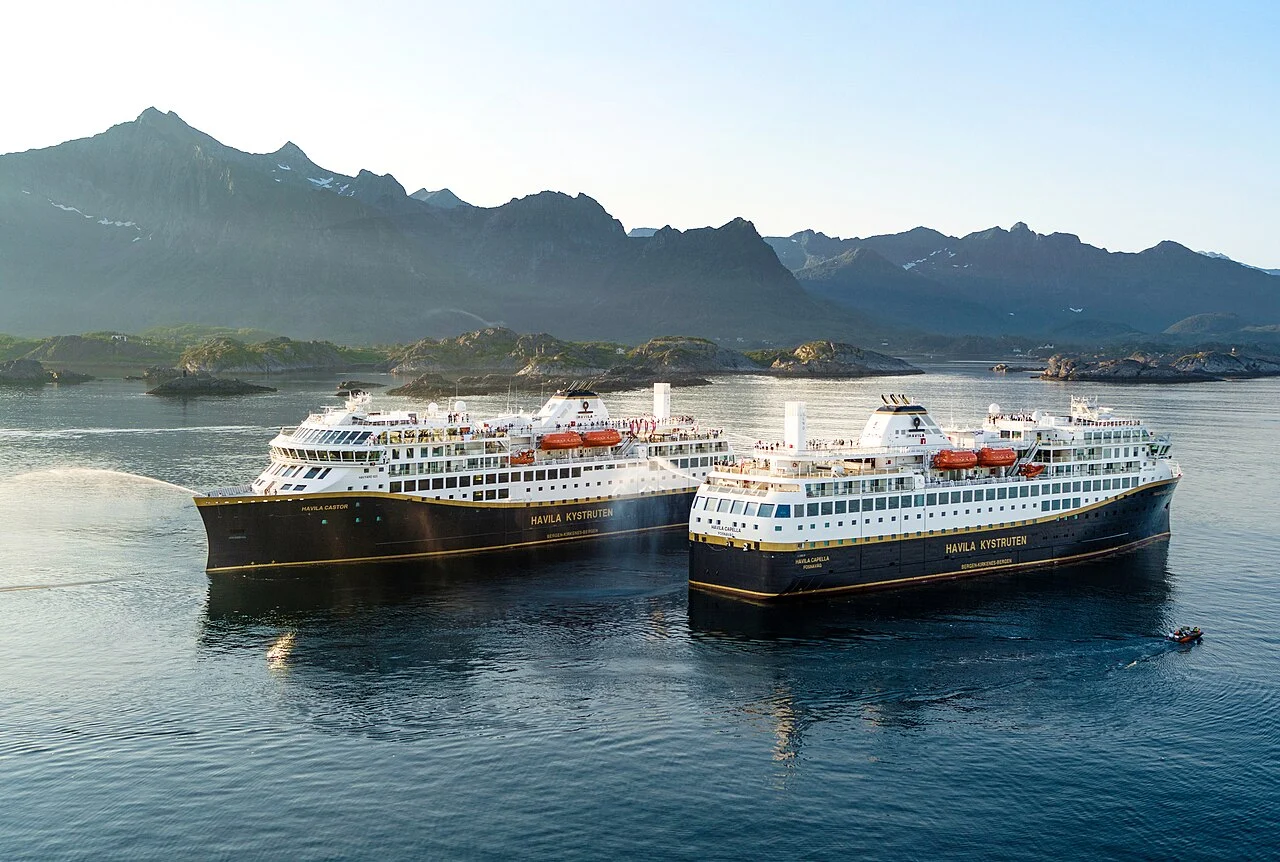
Compare the date, direction and ship before comparing headline fares. Check departure and arrival times, cabin type, meals, luggage and the cost of getting to and from the ports. If a deal is advertised for two guests sharing, check the price for your actual party. A solo traveller may see a different total. Also check the booking currency and terms for payment, cancellation and changes. An apparent price advantage can shrink once you include a hotel or flight needed to reach the sailing.
Hurtigruten’s international Coastal Express overview displayed a promotional round-trip example from €1,738, with breakfast, lunch and dinner listed for that product. Treat that as a starting-price example and look up a live quote for your chosen dates. Different product pages, markets and dates can display different figures. Compare the equivalent cabin and meal terms against Havila’s quote. For a short segment, compare the cost with any extra night you would need on land and the price of transport to the next destination.
Read what the fare includes before booking excursions. A package advertised with meals can still price excursions, drinks or transfers separately. Check whether a cabin is included for the section you want, what the operator requires for your sailing and how early you can access it. If the coastal voyage is part of a wider trip, list each overnight stay, transport leg and meal arrangement in date order. That makes it easier to see which item is driving the total cost.
3. Match the direction to the ports you want
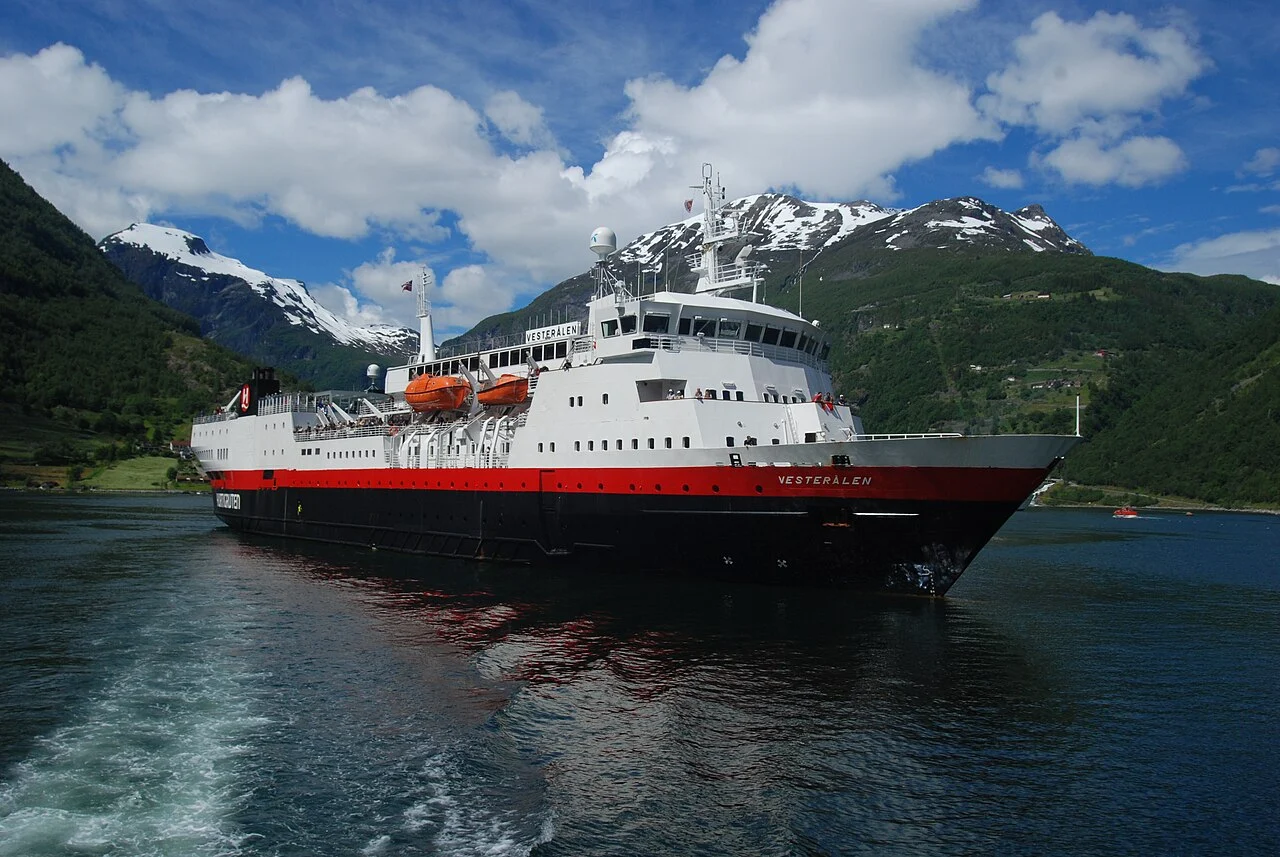
Bergen is the southern starting point for the full northbound leg. Arrive early enough to manage the terminal and luggage before the ship leaves. If you want to see Bryggen or spend time in the city, give yourself an overnight rather than relying on the boarding day. The Bergen travel guide can help you choose a compact route near your hotel before you transfer to the terminal.
Look at the schedule for towns that matter to you, such as Ålesund, Trondheim and Tromsø. Check the time alongside the duration of the call. Three hours in a town can feel short once you account for disembarking, walking to the centre and returning before the deadline. A late call may be suitable for a waterfront walk while museums are closed. If seeing a particular attraction matters, verify its hours for that day and consider a separate overnight.
Kirkenes is the turning point of the full route and a starting or finishing port for a one-way leg. A northbound arrival and the southbound departure are separate planning situations. If you are leaving the ship in Kirkenes, confirm when you can collect luggage and how you will reach your lodging or the airport. If you are joining there, allow a margin for the flight and transfer. The Kirkenes guide covers options when you have time to stay on land.
4. Working ports, excursions and return deadlines
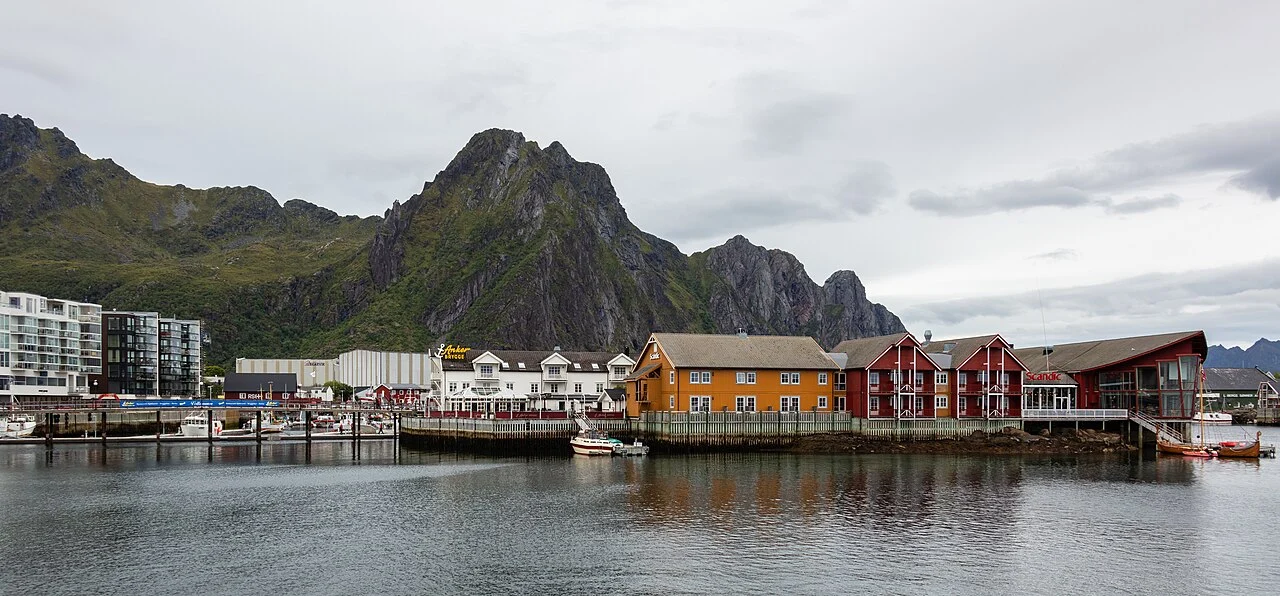
Use the operator’s live timetable and the specific port address. Coastal calls can be brief, and the gangway and terminal arrangements vary. Havila’s schedule tells passengers to be ready to board at least 15 minutes before departure at each port and gives a separate terminal timing instruction for Bergen. Use the instructions for your exact sailing and follow any announcement from the crew. Check the return deadline before leaving the ship, even if the displayed timetable has been stable all day.
For independent time ashore, choose one stop with an easy return. A short harbour walk can be a better plan than a museum across town when the call is brief. Keep the ship, quay and local time clear, and save the address offline. If an outing requires a taxi, check the return before starting. Avoid relying on a distant stop or a transport route you have not checked in both directions. Leave enough time to return if the weather slows your walk.
For an excursion, ask where you meet, where it ends and whether the return is to the same port or a different one. A shore excursion can make sense when you want to reach a place that would be impractical on a brief independent stop. Compare the cost and what is included, including transport, equipment or admission. If you are mainly interested in town, you may get more value from a separate overnight. The Tromsø guide gives options for a stay outside the ship’s timetable.
5. Cabins, meals and life between ports
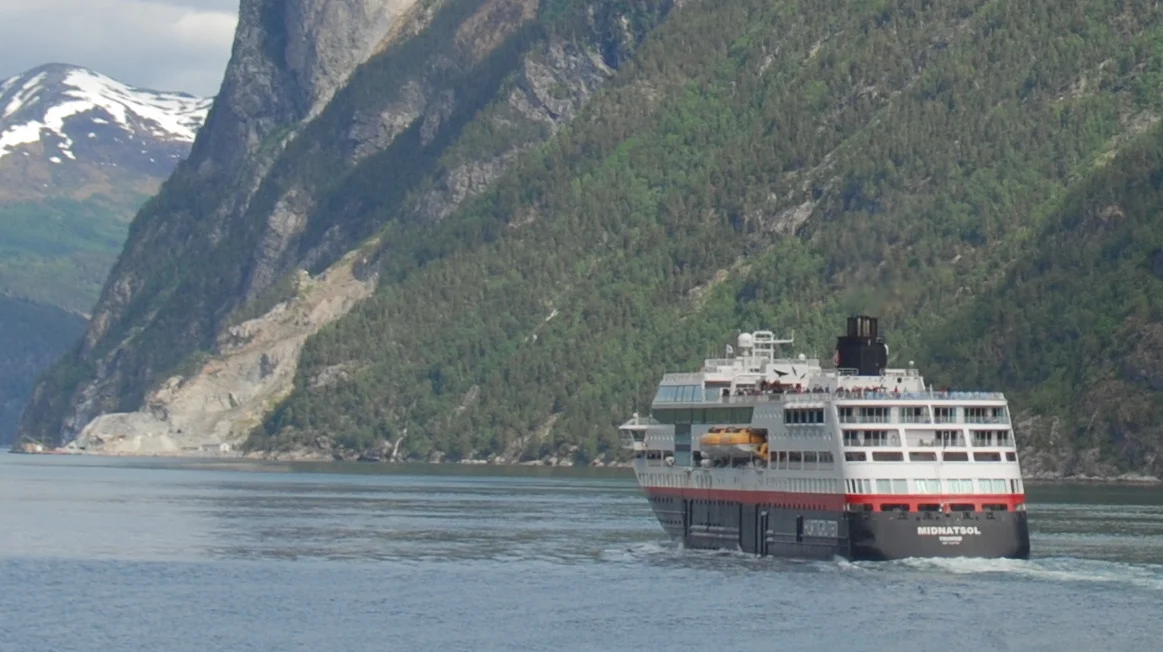
Choose the cabin around sleep and how you expect to use the ship. An inside cabin may make sense if you plan to spend most daylight hours on deck or in shared areas. An outside cabin can be useful if you want daylight and a view when you wake. Ask whether the view is obstructed and check the ship’s own layout. Cabins and amenities vary across vessels. If you have mobility needs, ask about thresholds, cabin access, lifts and the route from the terminal.
Check how meals are assigned on your fare. A full-board voyage and a short transport leg can differ. Ask about dietary requirements, the availability of meals on embarkation and disembarkation days and what happens when an excursion overlaps a meal. If you will spend a long time on deck, know where you can warm up or get a drink. Pack a small day bag for layers, essential medication and the items you want while your luggage is stowed.
Allow for the possibility of motion in open coastal stretches. Check cabin options and ask the operator which areas are easiest to reach if you want to rest during a rough spell. Pack windproof layers even if you are travelling in summer and protect yourself from cold during longer viewing stops. Use the crew’s instructions about deck access. The point of the voyage is the passing coast, and some of the most pleasant viewing happens during an unplanned stretch between named stops.
6. Choose a season for light and access
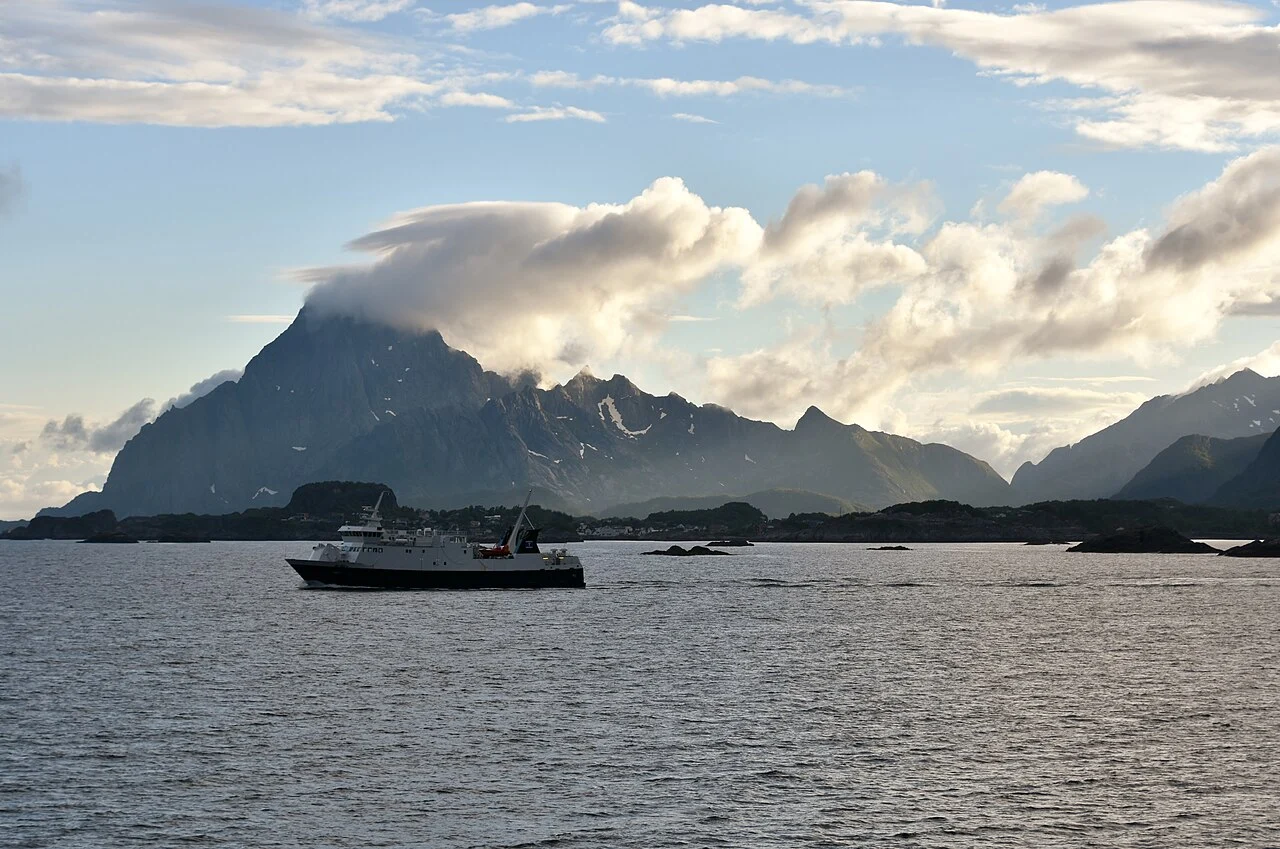
Summer offers longer daylight and more chances to watch the coast between calls. If your route crosses the Arctic Circle, the northern part of the voyage can have much longer days than Bergen. That can make evening viewing attractive, but keep meals and sleep workable. Check date-specific itinerary variations and shore availability before paying for a trip around one landmark. A scenic detour advertised for one season may be absent on another sailing.
A winter voyage offers low light, snow in some ports and the possibility of aurora. Visibility depends on cloud and auroral activity, and a coastal journey does not guarantee a sighting. If scenery and outdoor time are your priorities, compare winter daylight at the ports you care about before choosing direction. Use the northern lights guide when weighing a winter sailing against a stay on land.
Keep plans flexible in any season. Weather, operations and the timetable can change how long you have ashore. If a particular town or museum is essential to your trip, plan to stay there before or after the ship instead of relying on a call. For flights or rail connections, leave a margin and check the current arrival information before departing the ship. Use the carrier’s own schedule for exact port times and current instructions.
7. Start in Bergen with time for embarkation

Bergen works as the start for a northbound sailing. The terminal and check-in are separate from your arrival at the station or airport.
Use the published port address and give yourself a separate block for bags and boarding. A spare evening is useful if your inbound journey is delayed.
Check terminal times, transfers and cabin fare before paying. Allow a buffer after the last fixed connection.
8. Use Trondheim when the port call permits
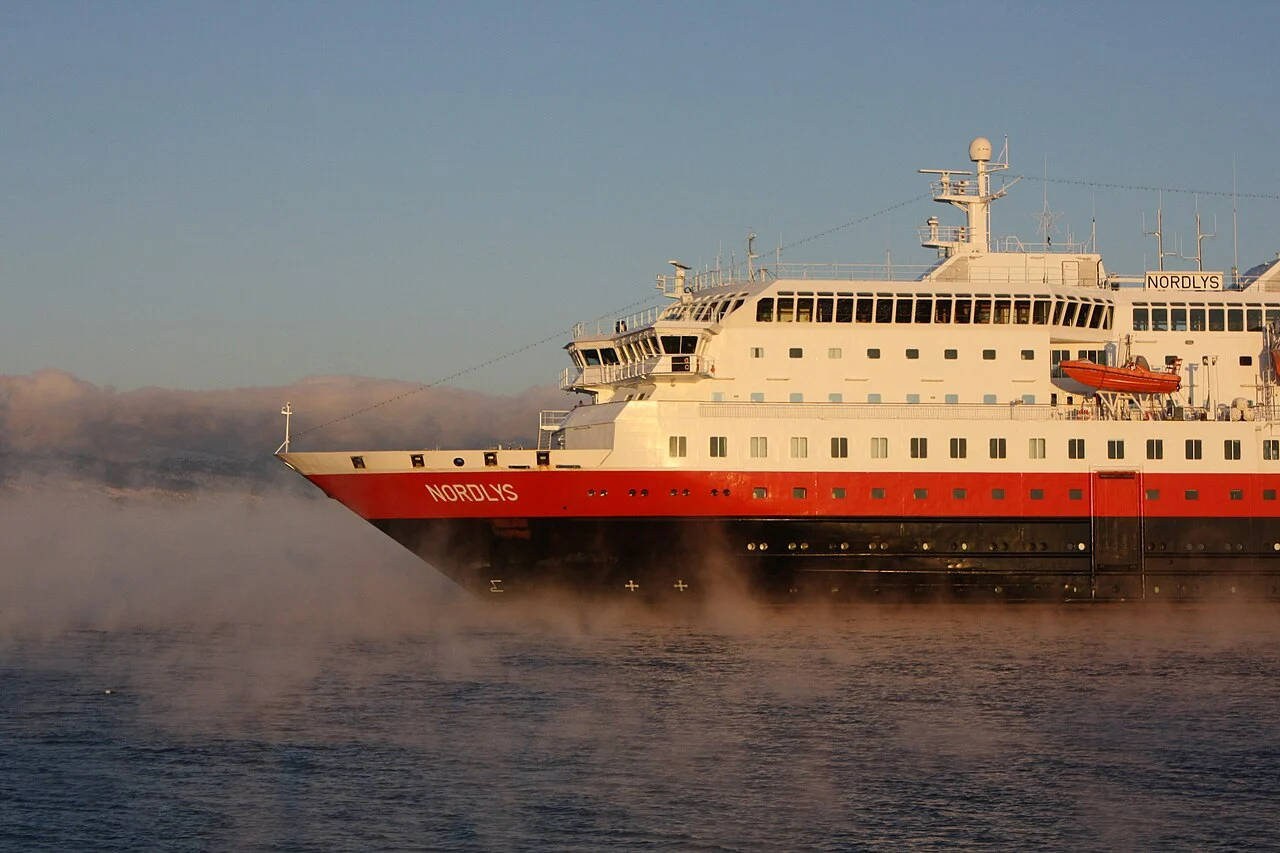
Trondheim can be a place to break a voyage or a brief visit during a port call. The duration may differ by direction and sailing.
Decide how much walking you can do while leaving a comfortable return margin. Check whether a listed excursion includes transport back to the quay.
Compare the day’s port time with attraction hours and any tour charge. Keep the ship’s departure as the fixed point of the plan.
9. Make Tromsø a separate stay for longer trips
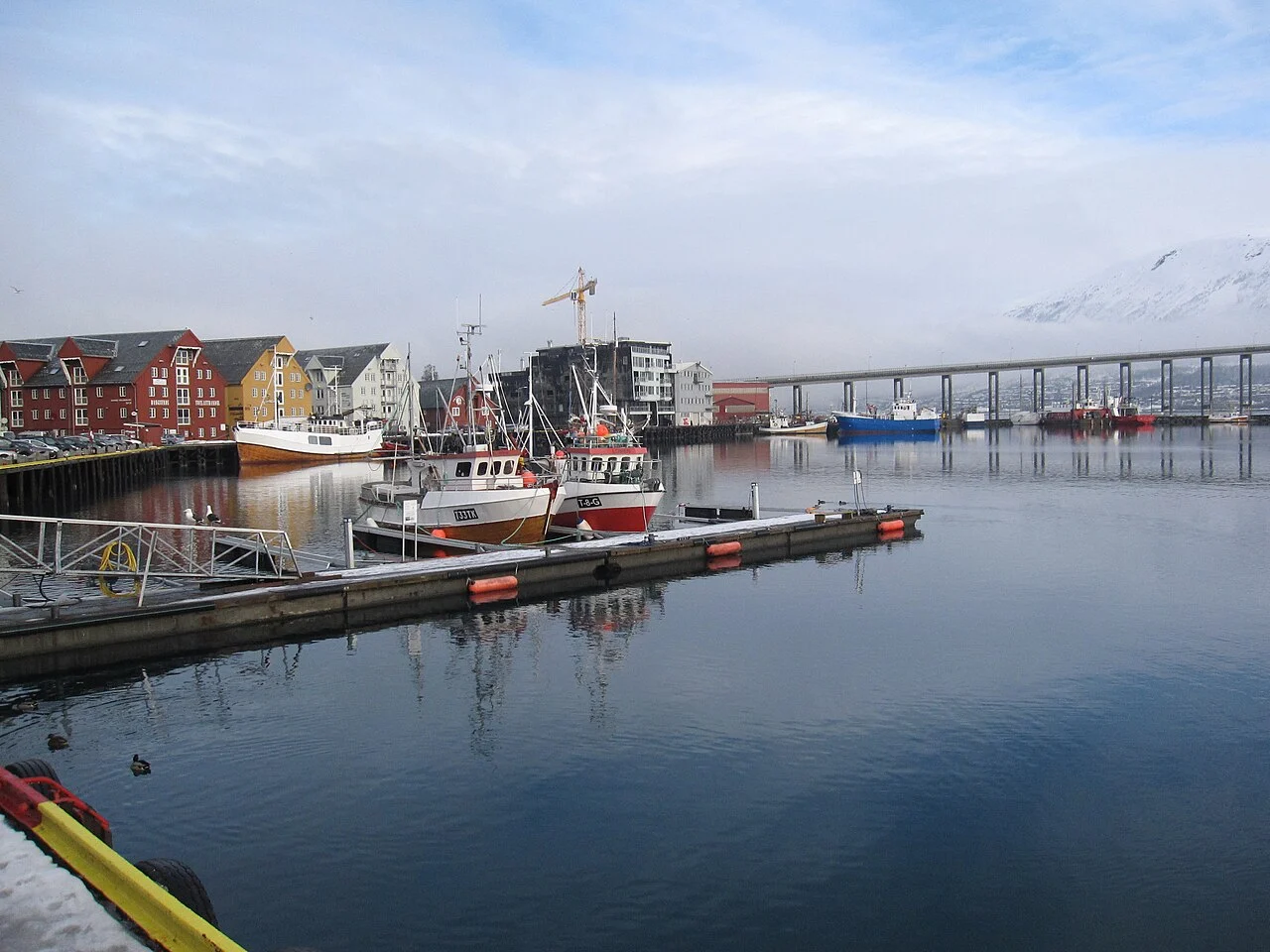
Tromsø works for a port-to-port journey if you want time for town activities. A separate overnight lets you use more of the city than a short port window.
Confirm the vessel’s quay and the actual time on shore. Use a central stop if the port call is brief or the roads are icy.
Compare your lodging, onward fare and transfers with the cost of staying on the same sailing.
10. Use Kirkenes to plan the far end of the route
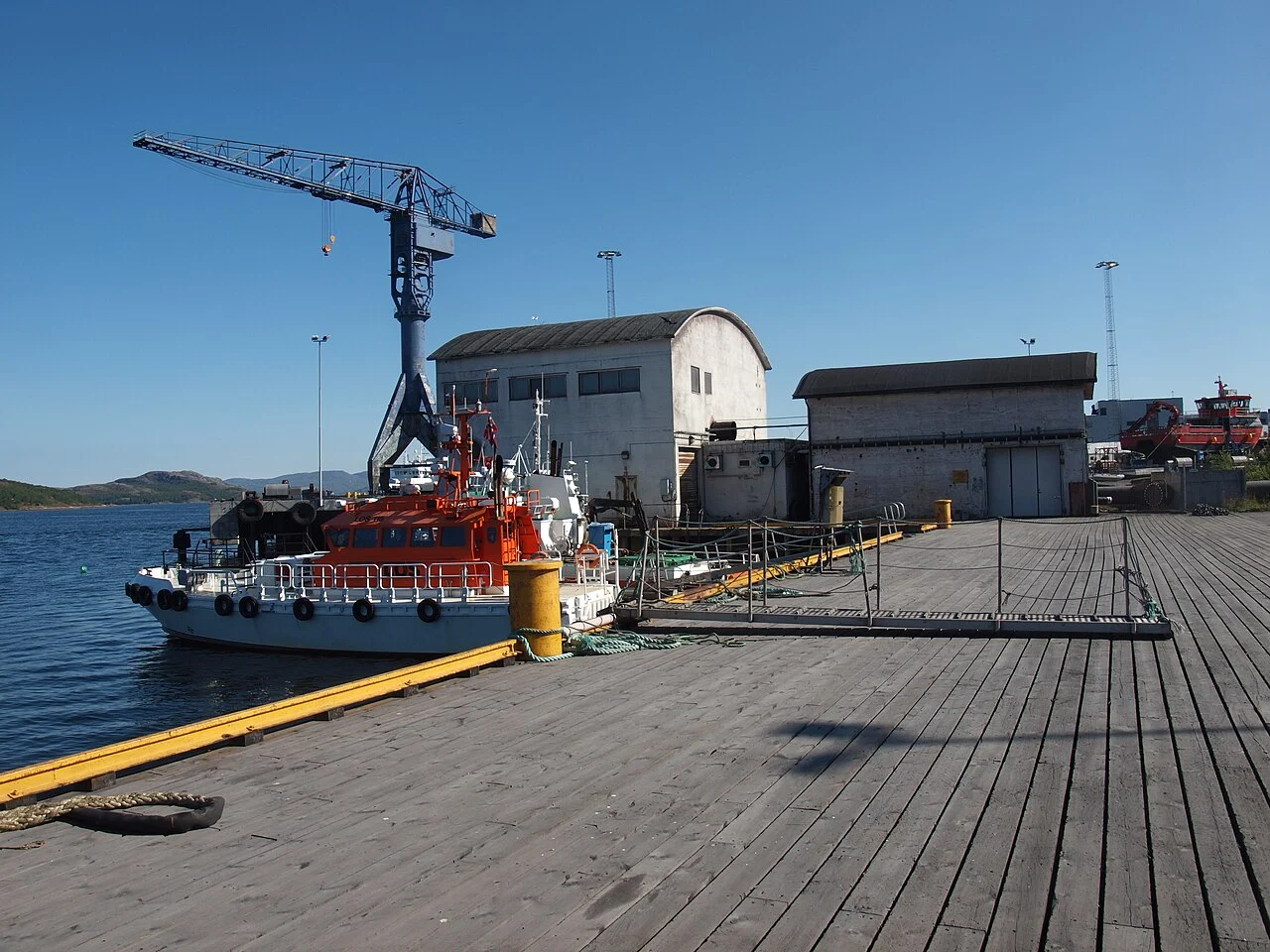
Kirkenes is the far end of the round voyage and can also be the start or finish of a shorter leg.
Check whether passengers can use the time ashore as you expect. A separate stay gives you more control over town activities and the airport transfer.
Confirm the next check-in or flight and price the onward transfer. Allow for winter conditions when choosing the margin.
One-, two- and three-day itineraries
One day with Bergen and boarding. Use the morning for a short city visit, then have lunch and collect luggage in the afternoon. Check the terminal address and arrive in time for your confirmed sailing. Spend the evening aboard if that is when your ship departs. If weather makes the city walk impractical, use an indoor stop near your route to the terminal. A short sailing can also work on a different route, but confirm the timetable and both transfers before treating it as a day trip.
Two days with a port-to-port leg. Choose your embarkation town and the next destination only after checking a sailing that fits your dates. Use day one for the transfer, check-in and the first stretch aboard. Eat and sleep according to the fare and cabin arrangements. On day two, use the morning or afternoon for arrival and a short local visit, then stay near the port or travel onward with a buffer. If the schedule changes, drop the local visit first and confirm your connection.
Three days around a short sailing and a northern stay. Use day one for arrival, a town visit and dinner near your departure point. On day two, take your booked coastal leg and reserve the main daylight block for viewing from the ship or an authorised shore excursion. On day three, spend the morning or afternoon in the arrival town and travel onward after checking actual ship and local transport times. If weather disrupts the sailing, keep a town-based alternative and a flexible connection. Use the operator’s live schedule to choose the direction and ports.
Related planning

Destinations for your trip
Questions and answers
Is Norway’s coastal voyage worth it?
Yes if you enjoy the changing coastline and working ports and can build your trip around the ship’s schedule. Choose a short leg if you want to try the experience before spending several nights aboard.
How many days should I allow?
Allow 12 days for the full round voyage. Hurtigruten lists seven days northbound and six southbound. A shorter segment depends on the ports and timetable.
How much does it cost?
One published Hurtigruten round-trip promotional example started at €1,738. Get a date-specific quote and compare cabin, meals, excursions and transfers.
Should I book in advance?
Book early if you want a specific cabin, a popular sailing or an excursion with limited places. Check the conditions for changes before paying.
Can I explore ports independently?
Yes when there is enough time and the operator allows disembarkation. Check the return deadline, distance to the attraction and opening hours.
Which season is best?
Choose summer for longer viewing hours or winter if you want Arctic low light and the chance of aurora. Check the exact route and dates for the places you most want to see.
Book around the ports and the sailing you want
Decide whether the ship is the main holiday or a link between places you want to visit on land. Confirm your ports, meals and cabin, then leave enough time for both transfers and any shore visits.
Sources and further reading
Confirm current schedules, prices, hours and access before booking.