Getting Around Norway: Trains, Ferries, Cars and Flights
NorwayTop10 Editorial
Getting around Norway starts with the last leg. A railway can get you across the mountains, but the bus to the village may determine where you sleep. Compare ten transport decisions here, from city tickets to ferry queues and the one-way rental car.
Getting around Norway is easier when you compare the whole route. Learn when to use trains, buses, ferries, domestic flights or a rental car.
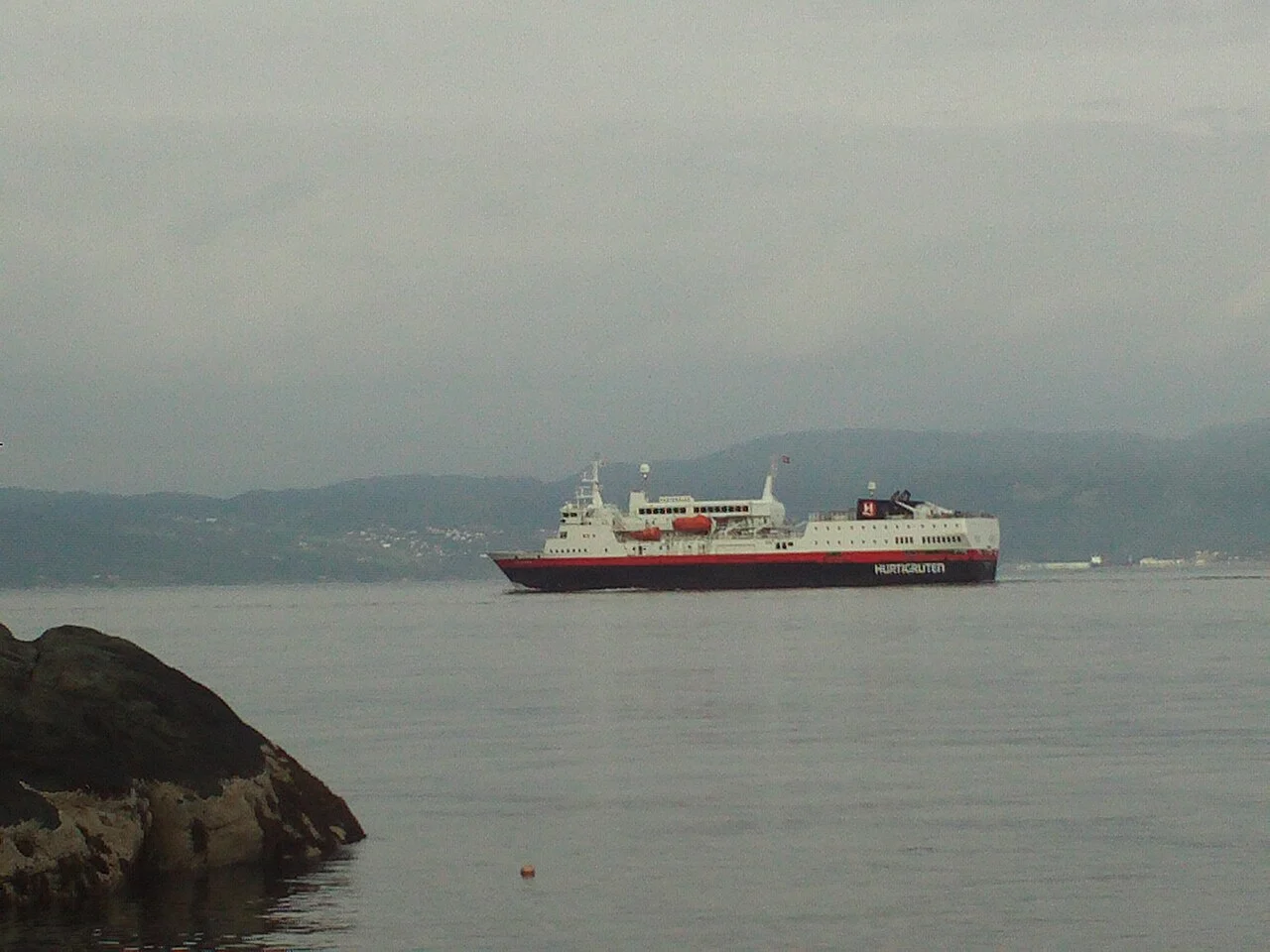
Getting Around Norway at a glance
For a first car-free route, use the train between Oslo, Myrdal and Bergen and add the Flåm branch if the seats and connections fit. Rent a car for rural stops and return it before a city break. Fly when it removes a long surface day. Summer usually offers more route choices, while winter roads and short daylight call for fewer transfers. Compare total fares, fees and terminal transfers.
Plan your Norway trip
- Trip costs — Compare three worked budgets in NOK.
- Itineraries — Compare western fjord and Northern Norway routes.
- Visitor essentials — Check documents, payment, safety and public holidays.
- Start Here — Bring your route, season and booking plan together.
Compare three ways to travel from Oslo to Bergen
NorwayTop10 route comparison · Sources reviewed 19 November 2026. Choose the experiences you want before comparing fares. A direct rail journey, a rail detour via Flåm and a route including a Nærøyfjord cruise are different products. The table separates them so you can request like-for-like prices.
| Option and route order | What it includes | What to price and reserve | Main trade-off |
|---|---|---|---|
| Direct rail: Oslo → Bergen | Bergen Line journey; no Flåm Railway or Nærøyfjord cruise | Dated rail fare, seat arrangements, arrival transfer and hotel | Fewest planned train changes of these options; misses the Flåm and cruise experiences |
| Rail via Flåm: Oslo → Myrdal → Flåm; later Flåm → Myrdal → Bergen | Bergen Line and Flåm Railway; no Nærøyfjord cruise unless separately added | Every rail leg, the Myrdal changes, village accommodation and local access | Adds fjord-village time but repeats the Flåm–Myrdal branch; an overnight avoids assuming it all fits one day |
| Rail, cruise and bus: Oslo → Myrdal → Flåm → Gudvangen → Voss → Bergen | Bergen Line, Flåm Railway, Nærøyfjord cruise and bus connection | Both train sections, Flåm Railway, cruise, Gudvangen–Voss bus, overnight stays and all connection times | Adds more transport experiences and more connections to coordinate; winter cruise changes can alter the plan |
Our planning judgement: choose direct rail when moving between cities is the main purpose. Choose the Flåm rail detour when village time and the railway matter more than a cruise. Choose the cruise-and-bus route when Nærøyfjord is a priority and the dated connections work. These are editorial recommendations, not a claim that one option is universally cheapest or fastest.
The Flåm Railway branches from the Bergen Line at Myrdal; the direct Oslo–Bergen train does not call at Flåm. Vy provides route information for Oslo–Flåm and Bergen–Flåm. Use its dated journey planner for actual departure, arrival and connection times. If you book the detour as separate legs, check the return from Flåm before paying for the outward journey.
Norway’s Best describes Flåm–Gudvangen as an approximately two-hour one-way cruise operating year-round. That is sailing time, not total transfer time. The operator warns that winter conditions can change the route to a return sailing from Flåm with a connecting-bus option. Reconfirm what happens to your onward journey rather than assuming you will disembark at Gudvangen.
Separate tickets or a through-booking? Get quotes for the same date, direction, passenger ages, route and overnight plan. Include every bus and cruise leg. Fjord Tours describes its Norway in a Nutshell product as self-guided and allows overnight additions. Read the quoted inclusions and disruption terms; a package does not automatically include a human guide, every meal or every hotel. We have not established a current price winner between separate tickets and a package.
Use the budget adjustment table to price extra nights and the season-and-route comparison before choosing dates. The worked seven-day budget splits this route across overnight bases; it is not a promise of a same-day connection. Check Entur and the relevant operators before booking.
1. Compare the whole journey in Entur

Start with the address of your accommodation and the venue you need for the following day. Norway’s Entur planner combines public transport from multiple operators, so it can show a train, bus and ferry on the same search. Use the actual date, including the weekday, for the outward and return journeys.
A route that looks short on a map can involve a regional stop some distance from your accommodation. Open the stop details and compare the walk with your luggage and arrival time. For a quay, check which terminal you need. A city can have more than one place where boats depart.
Save the complete journey and the names of each operator. Check where each ticket is sold and whether the connections are part of a single booking. If the last connection matters, treat its departure as the anchor and work backwards. Verify any required check-in time separately.
2. Use the Bergen Line for Oslo, Geilo and Bergen
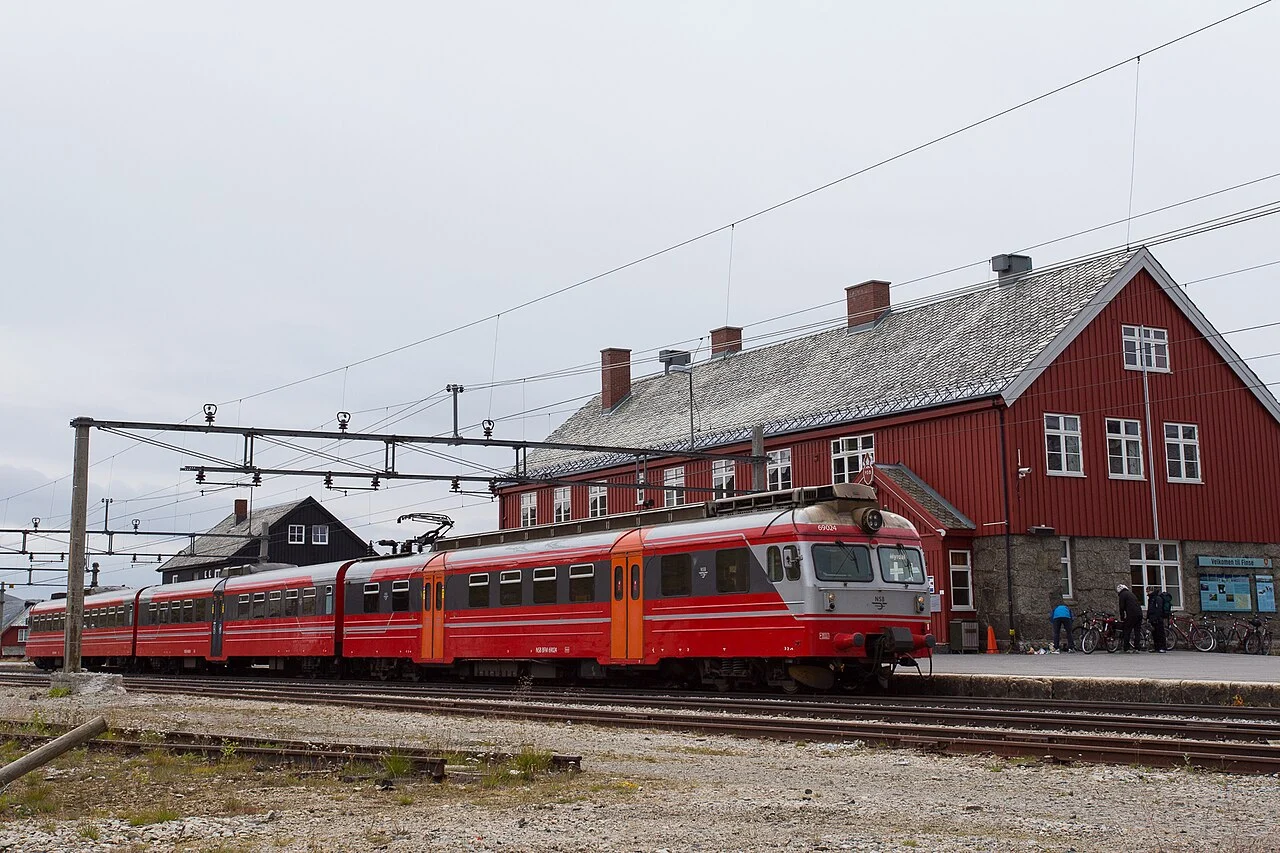
The Bergen Line joins Oslo and Bergen through inland stations including Geilo, Finse, Myrdal and Voss. Use it when the stations fit your plan. A long-distance train can replace a whole day of driving and lets each passenger enjoy the route. A rural destination still needs a separate plan for the distance from station to door.
For an Oslo–Bergen trip with luggage, compare a direct train against a flight including both airport transfers and check-in. For a mountain stay, check how to reach your accommodation from the specific station. A rail stop and a nearby ski area do not necessarily share the same bus service.
Allow most of a day for an end-to-end railway leg. Compare departure-specific prices and change terms, and book the train before committing to a timed activity at the other end. Check service notices for planned work. When buses replace trains, the pick-up point and luggage arrangements may change.
3. Change at Myrdal for the Flåm Railway
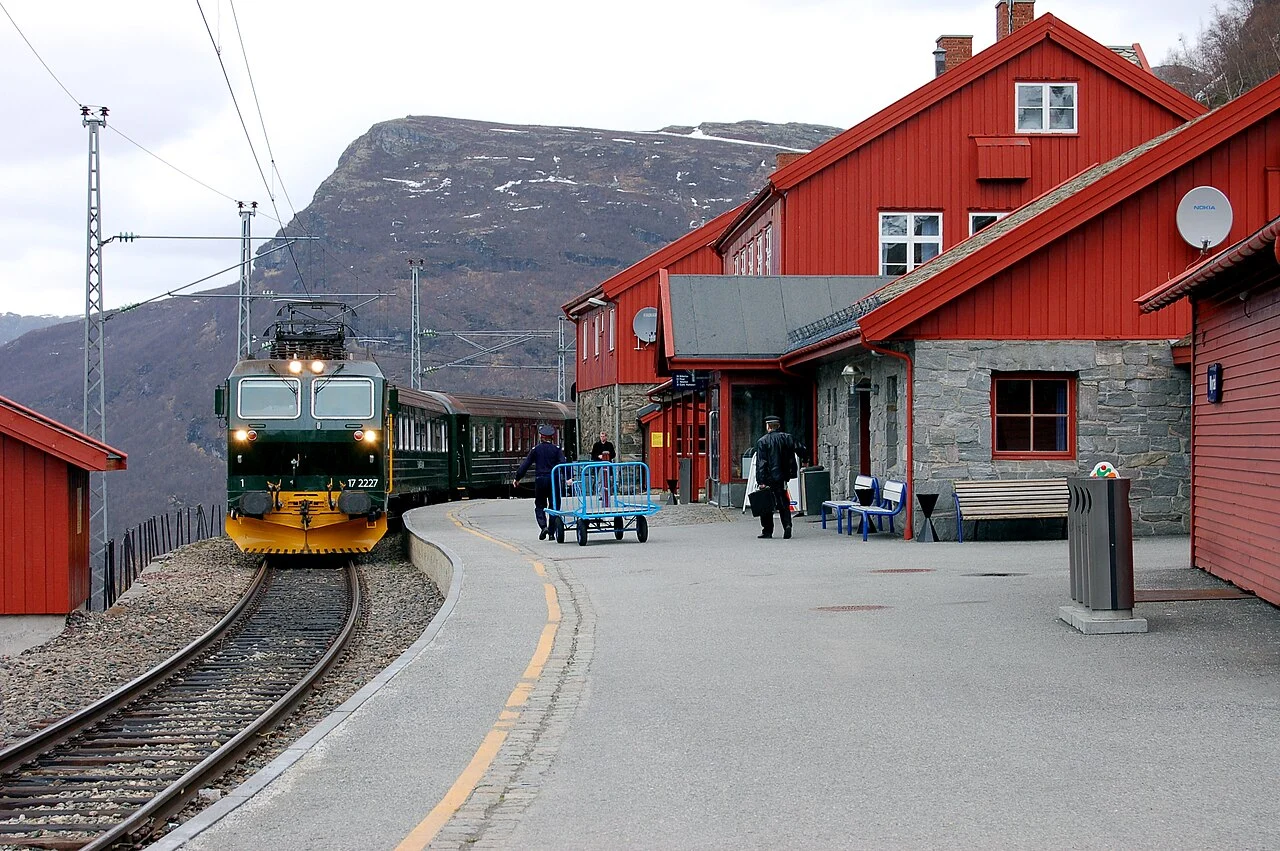
For Flåm by rail, change at Myrdal between the Bergen Line and the Flåm Railway. Check the combined journey and the direction of travel, especially if returning towards Oslo after a fjord stop. The railway is both a connection and a sightseeing experience, so popular departures can be a booking constraint.
Decide whether you need a round trip up the branch line or a one-way segment as part of a longer route. A stay in Flåm lets you separate the railway from a fjord cruise. If combining them in one day, check how much time your actual bookings leave for food, baggage and walking to the quay.
Book by date and confirm each segment on the ticket. Use the rail operator’s connection advice and verify the final departure. Myrdal is a mountain rail interchange, so check the disruption plan before counting on road transport from the station. A flexible night on either side can protect the schedule.
4. Choose regional coaches for direct fjord legs
A coach can beat a multi-change rail and ferry route when it serves your exact valley or town. In western Norway, look for the through coach as well as local connections. The bus may stop on the main road rather than at the waterfront, and stops with similar names can be several minutes apart.
Check both a mid-morning and late-afternoon departure before setting a hotel night. The second option may give you time for a short visit, or reveal that the only practical way to keep the route is to leave earlier. If you need accessible boarding or bulky luggage space, ask the operator about the actual vehicle.
Compare the whole fare, including connections, and ask when advance booking is available. Allow a buffer before separately booked services. Save the stop position offline, know which side of the road you need and check whether the shelter or station has somewhere to wait.
5. Use local transport for city days
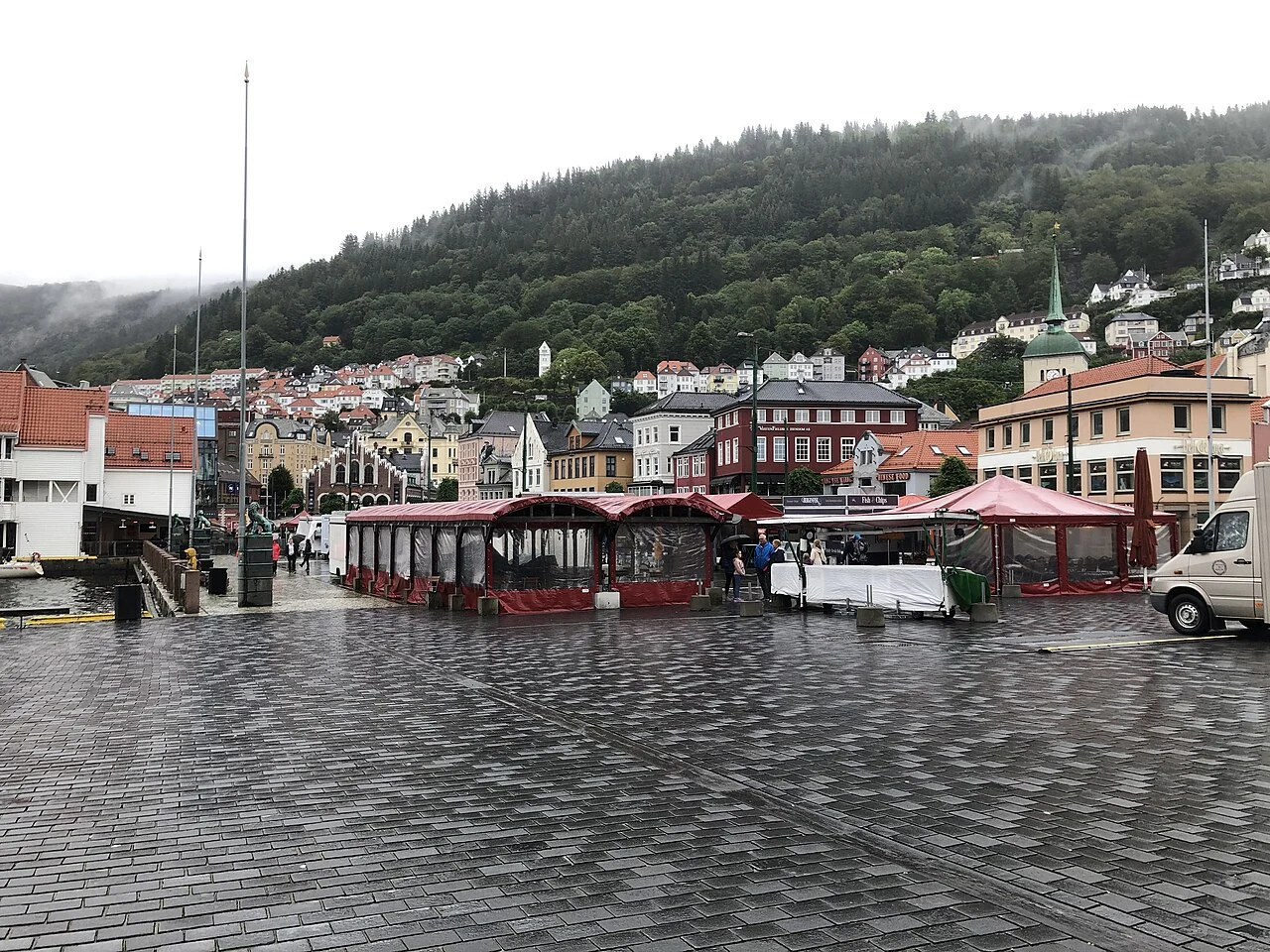
Oslo and Bergen can be planned with local transport and walking. In a city, start with the neighbourhoods you will actually visit. One or two well-chosen lines can be easier than finding parking near several museums. Confirm your local ticket’s zones and validity before you buy it.
Check airport trains and buses separately from the city pass. An operator can sell a separate ticket even when it uses the same station or stops nearby. In Bergen, compare the light rail or airport bus with your accommodation’s exact location and your luggage. Include the walk to the room in your estimate.
Use flat routes or confirmed lift access when travelling with a wheelchair, stroller or large case. For a late arrival, look up the last service on that day and identify a backup. A central room may cost more but can remove several separate transfers.
6. Rent a car for a specific rural section
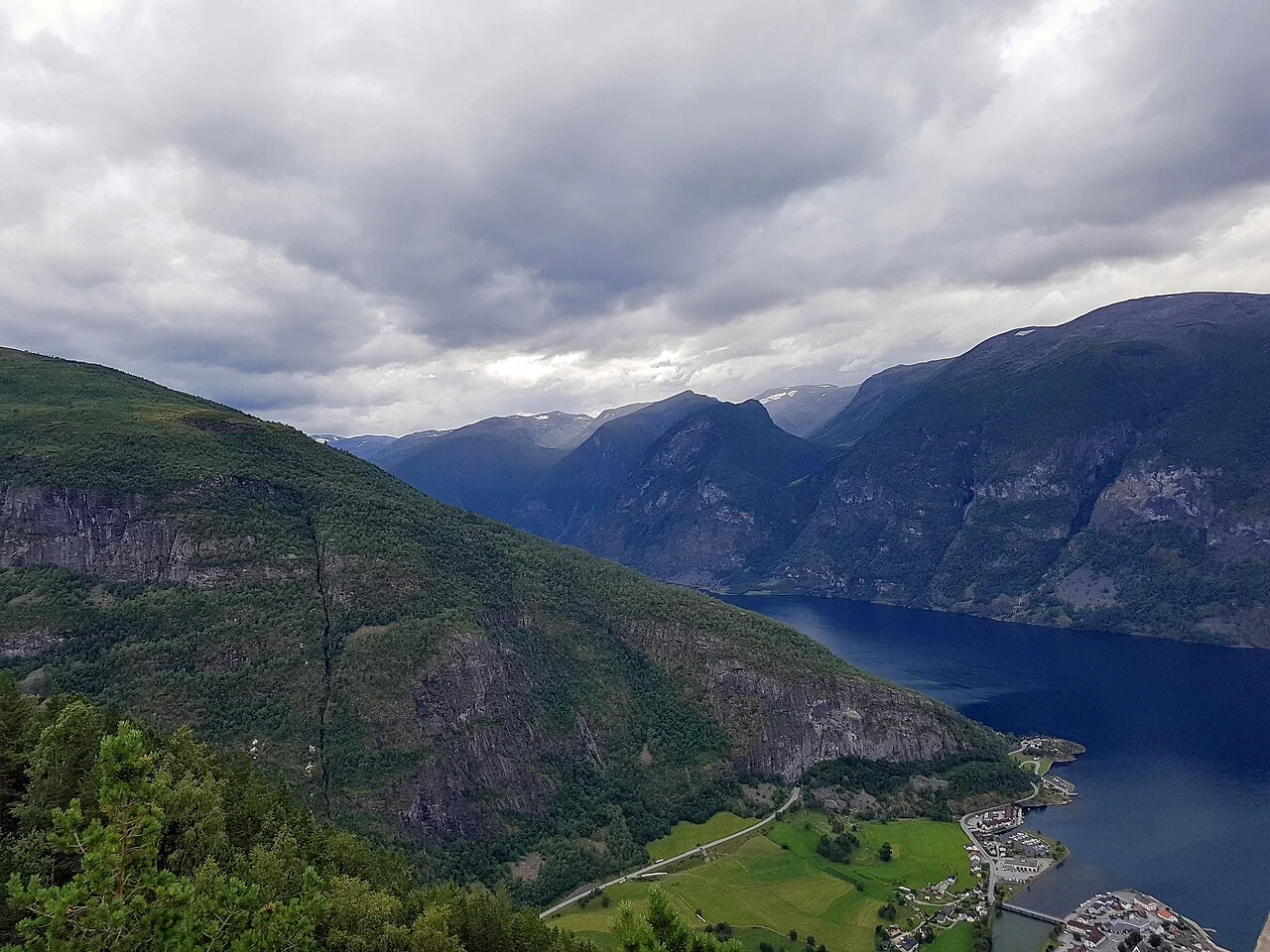
A rental car is most useful when you want stops that do not align with bus departures, such as a lakeside detour, several beaches or accommodation away from a town. Rent for that part of the trip. Compare pickup at a city branch with the airport and confirm opening hours at both ends.
A driving day includes more than time behind the wheel. Allow for viewpoints, breaks, ferry queues and time to find the correct car park. In the fjords, check whether your route selection depends on a high road that closes seasonally. Put a timed attraction on a different day if the driving route is uncertain.
Compare the quote with one-way charges, fuel or charging, tolls, parking, ferry charges and any insurance excess. Confirm licence requirements and conditions with the rental company. Ask how toll bills are passed on and how to return the car if your flight leaves outside office hours.
7. Check road restrictions and tolls before departure
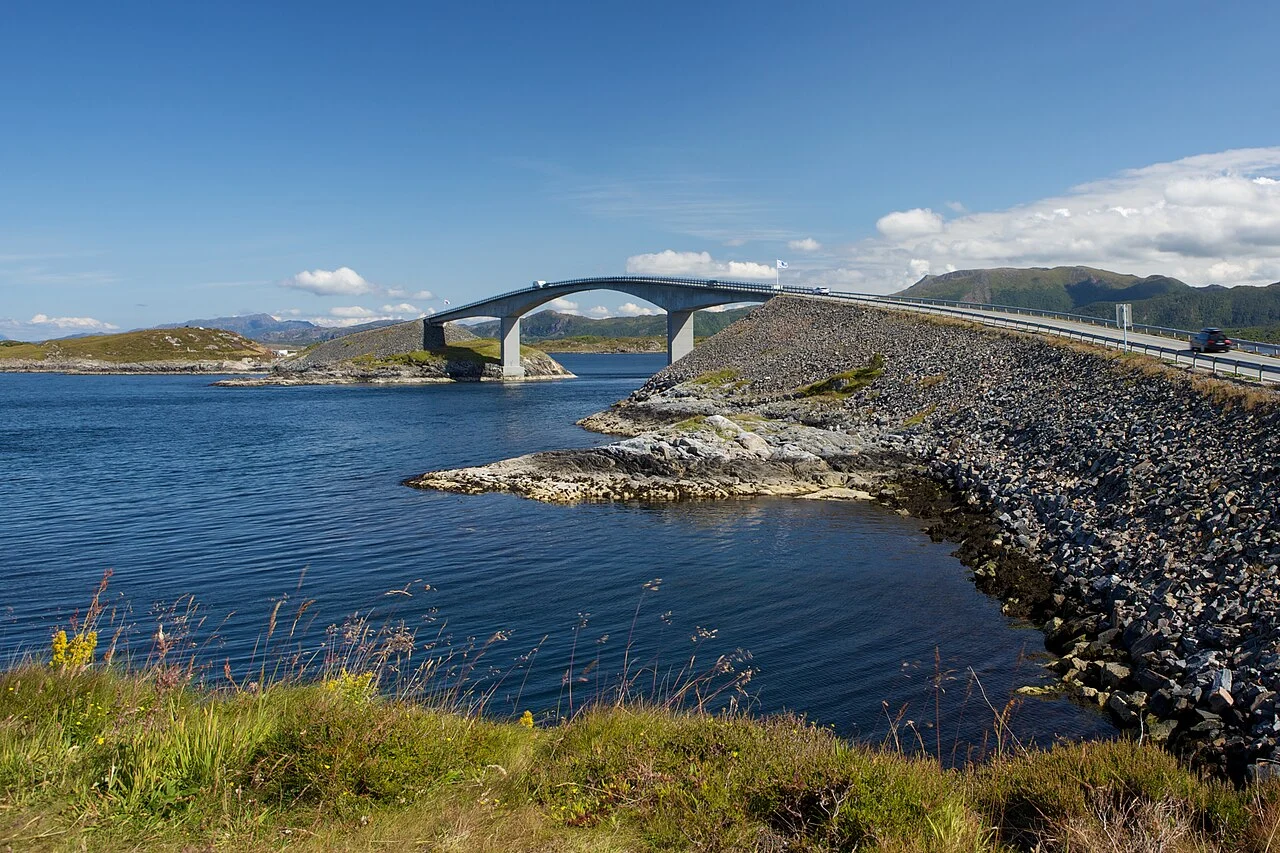
Norwegian road tolls are handled electronically. Rental guests should confirm how their company invoices tolls and fees. When bringing your own vehicle, use the official AutoPASS information for foreign vehicles and verify which registration or payment arrangement suits the trip.
Use the Norwegian Public Roads Administration to check live traffic and scheduled restrictions. Snow, incidents and roadwork can change a route. For a scenic mountain road, read the current route notice as well as the general map. A viewpoint may have a usable approach even when the full pass is closed.
If winter driving is unfamiliar, plan shorter daylight legs, ask the renter about equipment and choose bases that remain useful if you leave the car parked. Avoid building a tight ferry or flight connection around a high road. Allow an extra night if missing the last connection would cost more than staying put.
8. Know which kind of boat you are booking
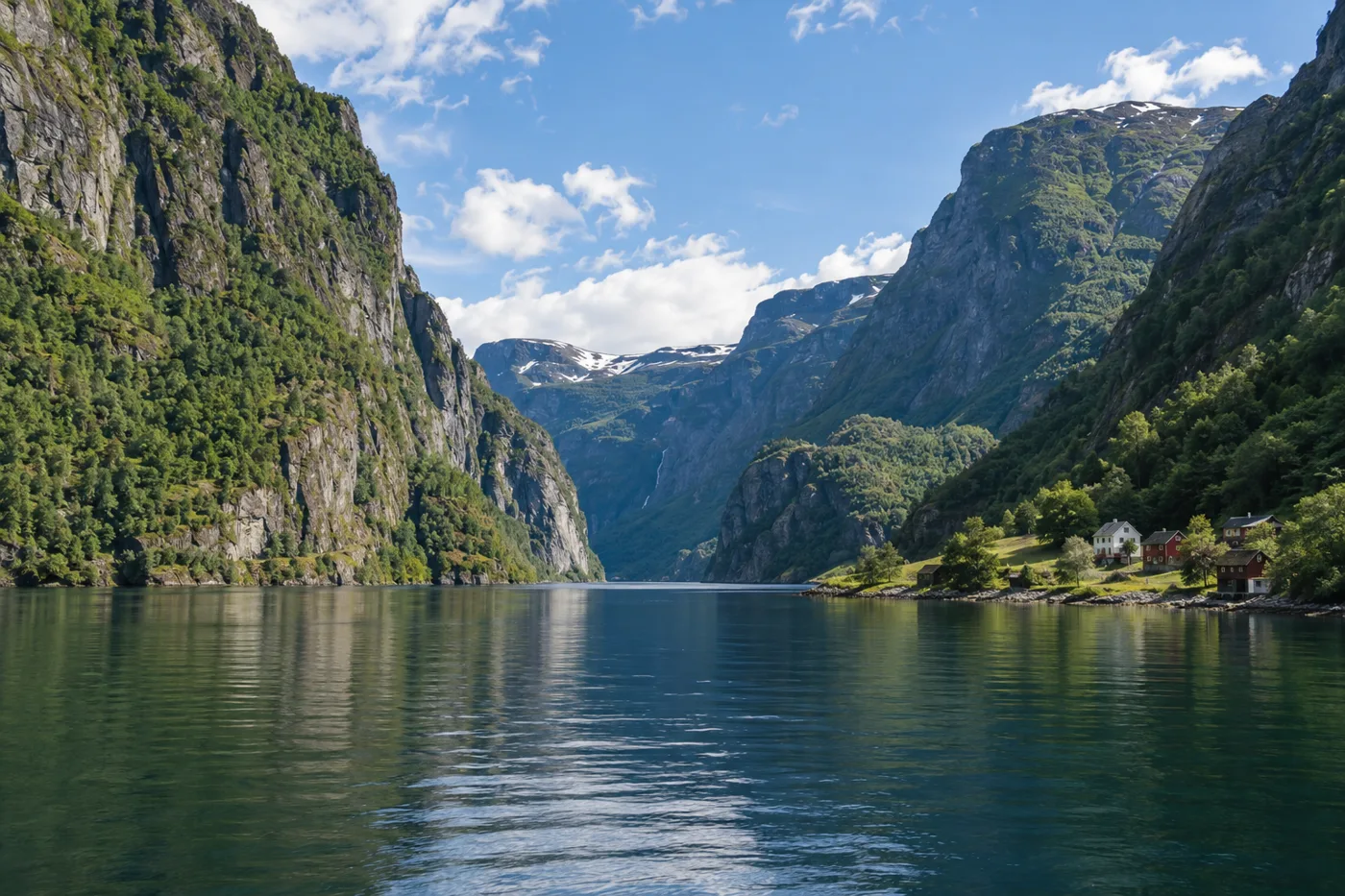
A car ferry carries vehicles across a route. A passenger express boat may serve a different terminal and cannot be assumed to take a car. A sightseeing cruise can be a round trip or leave you at another village. Check where the sailing finishes and what is included before choosing accommodation.
In Flåm, a fjord sailing to Gudvangen can require a bus connection to get back to the starting point. Read the ticket description rather than assuming the return is included. On a driving route, check whether advance booking is possible or necessary, how vehicle length is measured and when to join the queue.
Allow time at the dock and account for both legs. Check the operator’s sailing notices and confirm prices on your exact dates. If you must make a flight the same day, compare a road route or travel to the departure town the evening before.
9. Fly when it removes a long surface transfer
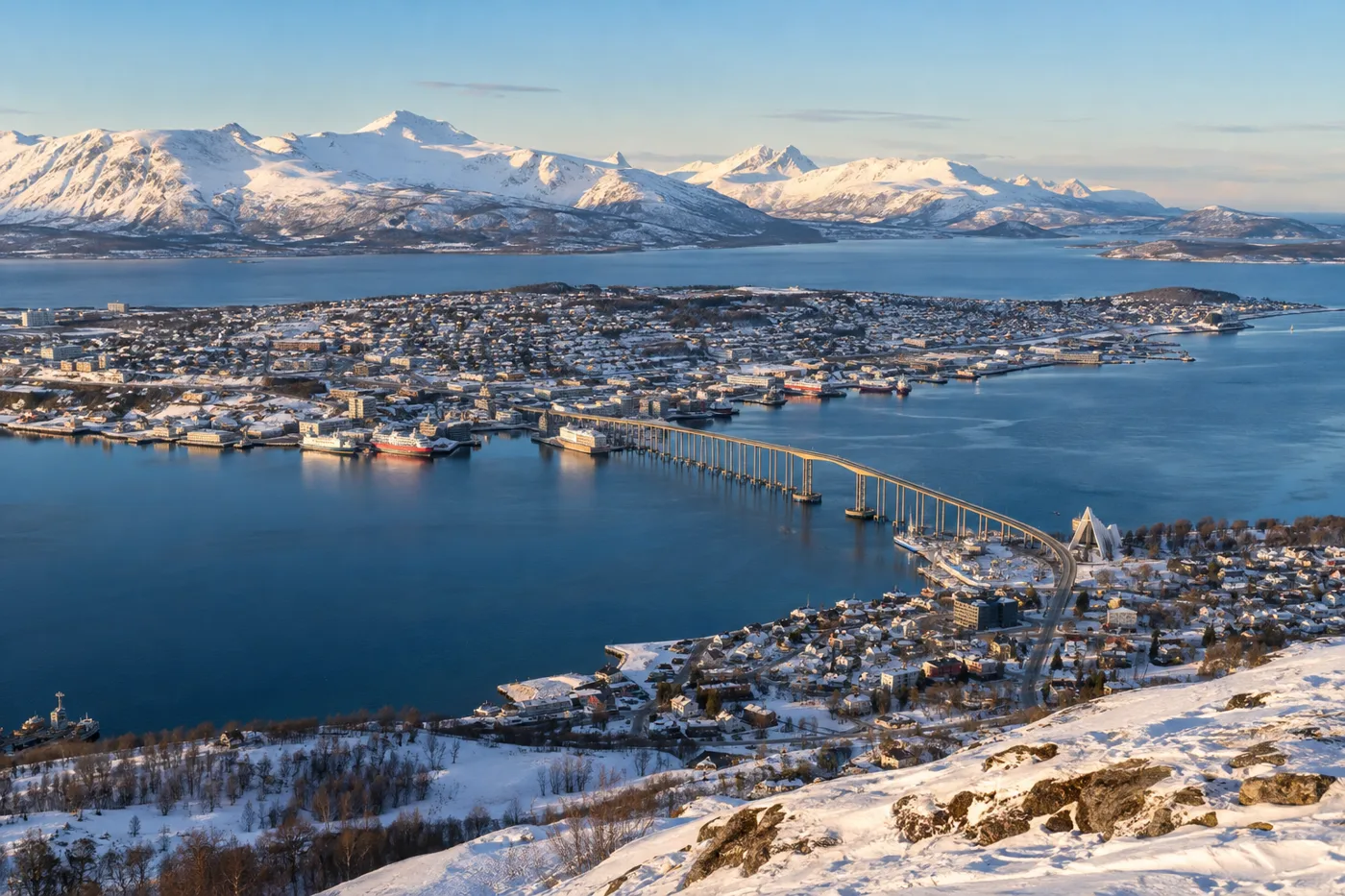
Compare air travel when your trip moves between southern and northern Norway. The relevant comparison is hotel door to hotel door. Add baggage, travel to the terminal, onward road transport and the time you lose if the next connection runs only once or twice on your travel day.
For Lofoten, compare Svolvær or Leknes with gateways such as Evenes and Bodø. A regional airport can shorten the last leg. A larger gateway may suit a different route or offer a rental arrangement that works better. Check the coach or ferry before buying a flight based on its fare alone.
Confirm baggage terms and ask how a missed onward connection is handled when bookings are separate. Budget a substantial transfer window and preserve some flexibility on the first and last days. If a remote excursion must happen on a particular date, arrive at the base the day before.
10. Treat coastal voyages as scheduled journeys
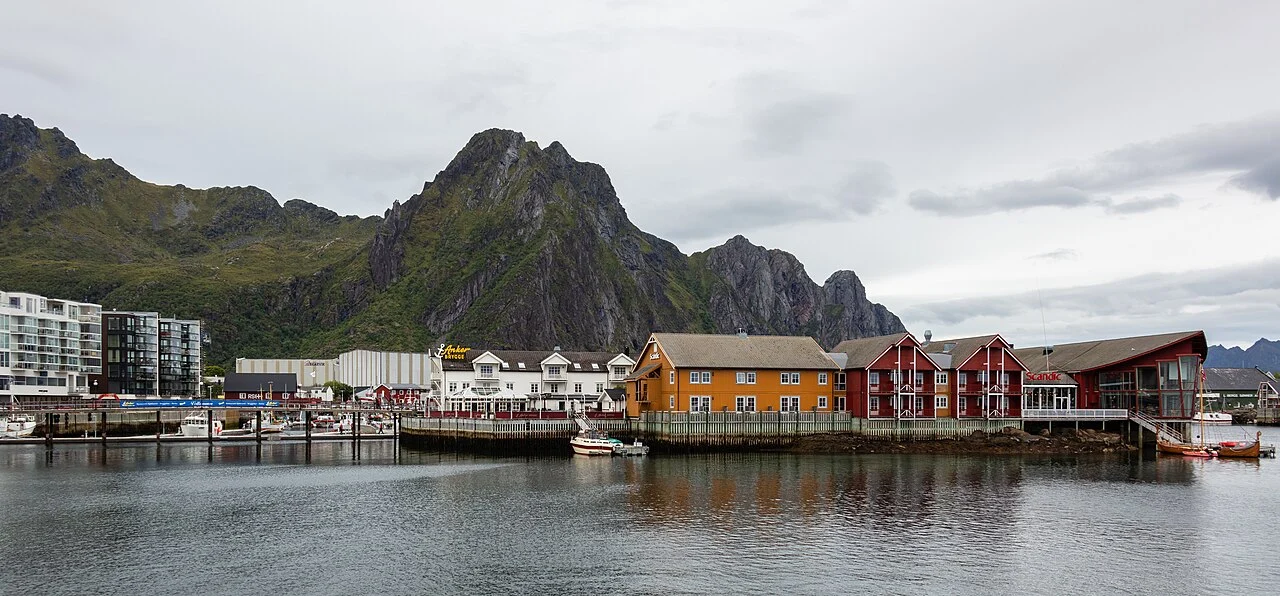
Norway’s coastal ships can be a sightseeing holiday or a port-to-port connection. The two bookings can have different terms for cabins, meals and vehicles. Check the operator, sailing direction and actual port time. An itinerary map alone cannot tell you whether you can spend the morning ashore.
In a port such as Svolvær or Bergen, compare the distance from the terminal to your hotel with the arrival hour. If you plan to travel with a car, verify vehicle availability for the exact ship and segment. A later arrival may mean arranging a room, a taxi or a flexible check-in.
Check price, boarding deadline and service notices before paying. Leave enough margin when continuing to a bus, flight or excursion on another ticket. A coastal leg suits a route when the port and timing fit the trip as well as the scenery.
One-, two- and three-day plans
One day — Oslo without a car
Keep the morning around the waterfront, then take local transport to one museum district for the afternoon. Return to your accommodation before dinner or eat near the stop for your evening journey. A city route is a useful test of whether a pass is worth buying. Compare single fares with a day ticket for the actual zones. In rain, use one indoor stop as the centre of the day and check the return departure before leaving it.
Two days — rail and a night in Flåm
On day one, start in Oslo and take your confirmed rail connection through Myrdal. Leave the afternoon or early evening for arrival and a meal in Flåm, with timing set by the train you book. On day two, fit in a local walk or a fjord trip that leaves time for your onward train or coach to Bergen. Treat the connection as the priority. Check service notices and choose a short village plan if a cruise would make the transfer too tight.
Three days — Bergen and a short rural car section
Spend the first day in Bergen on foot or on local transport. Pick up a car on day two, allow the morning to reach Norheimsund and leave the afternoon for a shore or waterfall stop. Stay locally for dinner. On day three, return by a verified route after breakfast, leaving time for refuelling or charging, the handover and a possible delay. If conditions are poor, shorten the route. Avoid booking a tight flight for the same afternoon.
Practical planning tips
Compare two real quotes for the same day and party size. Train fares are usually per person, while many vehicle costs are shared across a group. Include parking and tolls before deciding the car is cheaper. When connections are sold separately, review the consequences of a missed connection before you pay. Verify accessibility and assistance with the operator, especially for a train-to-boat connection. Book the smallest number of transfers that still gives you the trip you want.
Confirm transport schedules, fares and opening hours directly. Check Entur for dated public transport and Statens vegvesen for current traffic. Verify ferry arrangements with the operator.
Frequently asked questions
Can I see Norway without driving?
Yes. Start with rail-linked cities and make each rural transfer a separate check. Oslo, Flåm and Bergen work as a route when the dated connections fit.
What should I book first?
Book whichever service determines the route, such as the only workable long-distance train, an essential sailing or a regional flight with a limited connection.
Does one ticket cover all legs?
Check the seller’s confirmation. A planner may show several operators on one journey even when the reservations and their delay terms are separate.
How do I compare ferry and road options?
Price the vehicle and passenger arrangements and check the whole time from lodging to lodging, including the queue and boarding.
When does a rental car help most?
It helps with rural lodging and multiple unscheduled stops. Compare pickup and drop-off hours as well as the full quote.
How much transfer time do I need?
Start with the operator’s guidance and add time for luggage, walking across terminals and the consequence of a missed last departure.
Plan the rest of the trip
Start Here · Scenic train journeys · Scenic road trips · Where to stay in Norway
Make the first booking count
Choose the transport that makes the whole route workable, including your last connection and the trip from the stop to the room. Confirm those details before paying for the rest.
Sources and image credits
Entur · Vy Oslo–Flåm · AutoPASS · Visit Norway Lofoten transport
Images come from existing NorwayTop10 guides and include illustrative artwork. See the site image credits.
Use the next departure to choose your room
If the flight leaves early, compare the actual airport connection with the location of Gardermoen airport hotels or Flesland airport hotels. Check whether a shuttle is included, when it begins running and whether you can walk to the terminal.
For a coastal journey, Bodø hotels help when changing between railway, flights and Lofoten ferries. For a quieter stay without a rental car, use the car-free tiny-house guide and confirm the final leg and luggage provisions; a rural bus stop is not automatically convenient.